Electric car battery: lifespan, charging, and costs
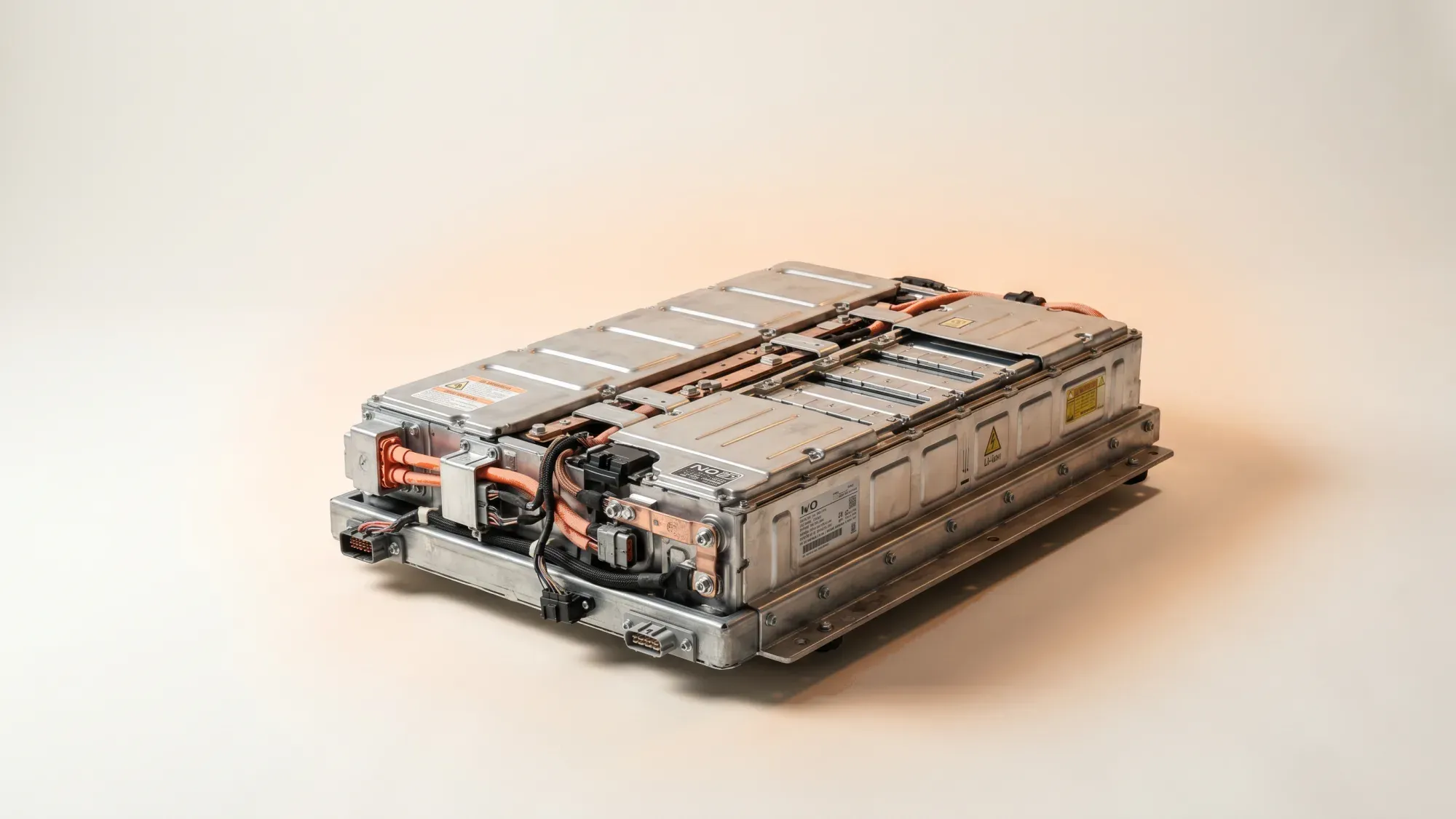
Electric vehicle (EV) batteries are central to any modern electric car, influencing its range, performance, and long-term ownership experience. Understanding how these sophisticated power sources work, how to maintain them, and what financial implications they carry is crucial for informed EV ownership. This guide provides clear, trustworthy information on electric car battery technology, lifespan, optimal charging practices, and the true financial aspects, particularly replacement costs for UK drivers.
Understanding your electric car battery
At its core, an electric car battery is a complex system designed to store and deliver the energy needed to power an EV. Far from being a simple component, it is a carefully engineered unit that influences every aspect of your driving experience.
How EV batteries work
Electric vehicle batteries function by storing chemical energy and converting it into electrical energy to power the electric motor. This process is reversible, allowing the battery to be recharged. Unlike the internal combustion engine with its numerous moving parts, EV battery systems have fewer mechanical components, contributing to their inherent reliability and longevity.
Common types of EV batteries
The vast majority of modern electric vehicles rely on Lithium-ion batteries due to their high energy density, efficiency, and relatively long lifespan. These batteries come in various forms, including pouch, prismatic, and cylindrical cells, each with different packaging and thermal management characteristics. While other chemistries like Nickel-Metal Hydride (NiMH) were used in early hybrids, lithium-ion remains dominant for pure EVs. Advances in lithium-ion technology, such as the introduction of Lithium Iron Phosphate (LFP) batteries, are also improving safety, cost, and lifespan.
Electric car battery lifespan and degradation
One of the most common concerns for prospective EV owners is the longevity of the battery. Modern EV batteries are designed to last for many years and miles, often outliving the vehicle itself.
Typical battery lifespan
Most electric car batteries are expected to last between 10 to 20 years, or up to 500,000 miles, before significant degradation occurs. Many manufacturers offer battery warranties that reflect this, typically guaranteeing performance for 8 years or 100,000 miles, whichever comes first. This warranty usually covers the battery if its capacity drops below 70% of its original state.
Factors affecting battery degradation
Several factors can influence how quickly an EV battery degrades:
- Charging habits: Frequent fast charging (DC rapid charging) can generate more heat and stress the battery more than slower AC charging. Regularly charging to 100% or letting the battery drop to very low levels can also accelerate degradation.
- Temperature: Extreme hot or cold temperatures can impact battery health. Modern EVs have sophisticated thermal management systems to mitigate this, but prolonged exposure to harsh conditions can still have an effect.
- Mileage and age: Like any component, batteries naturally degrade with age and usage cycles. Higher mileage generally correlates with more charging cycles and thus more degradation.
Maintenance and charging best practices
Adopting smart charging and maintenance habits can significantly extend the life and performance of your electric car battery.
Optimal charging strategies
- Charge regularly, but not always to 100%: For daily use, aim to keep your battery charged between 20% and 80%. This range is often referred to as the 'sweet spot' for lithium-ion batteries, reducing stress on the cells.
- Avoid deep discharge: Try not to let your battery level drop below 20% frequently.
- Limit rapid charging: While convenient for long journeys, rely more on slower AC charging at home or work for daily top-ups.
- Pre-condition your battery: Some EVs allow you to pre-condition the battery while still plugged in, optimising its temperature for charging or driving, especially in extreme weather.
The role of smart charging
Smart charging solutions allow you to automate your charging to take advantage of cheaper, off-peak electricity rates. This not only saves you money but can also contribute to battery health by spreading charging over longer periods at lower power, reducing stress. By integrating with your EV and energy tariff, smart charging ensures your car is ready when you need it, while optimising for cost and battery longevity. Fuse Energy offers installation of the Easee One EV charger, which can be connected to your Fuse account to support smart charging patterns. You can also learn more about general EV charging at home.
Electric car battery cost and replacement
While EV batteries are built to last, the question of replacement cost is a significant consideration for long-term ownership.
Replacement costs
The cost of replacing an electric car battery in the UK can typically range from £5,000 to £15,000+, depending on the vehicle model and battery capacity. Some estimates suggest a wider range, from £3,000 to over £20,000. However, these costs are steadily decreasing as battery technology advances and production scales up. It's important to note that full battery replacement is rare; often, only specific modules within a battery pack need replacing, which is a less expensive repair.
Repair vs replacement
Many battery issues can be resolved through repair rather than full replacement. Specialist workshops can diagnose and replace faulty modules within a battery pack, significantly reducing costs. As the EV market matures, the infrastructure for battery repair and refurbishment is expanding, offering more affordable options for owners.
Second-life applications and recycling
Even when an EV battery is no longer suitable for automotive use, it often retains significant capacity for 'second-life' applications, such as grid energy storage or powering homes. Once these applications are exhausted, the battery materials can be recycled, recovering valuable metals and reducing environmental impact. This circular economy approach helps to mitigate the overall cost and environmental footprint of EV batteries.
Conclusion
Electric car batteries are a marvel of modern engineering, offering reliable performance and a long lifespan. By understanding how they work, adopting best practices for charging and maintenance, and being aware of the evolving landscape of costs and recycling, UK EV owners can maximise their battery's potential and enjoy a seamless, sustainable driving experience. Smart charging solutions, like those facilitated by Fuse Energy's EV charger installations, play a key role in optimising battery health and reducing running costs. Considering a smart meter installation can further enhance your ability to track and manage your energy usage.
What is the OZEV EV Chargepoint Grant for renters and flat owners?
The EV Chargepoint Grant for renters and flat owners provides up to £500 towards installing an EV chargepoint at their property. To be eligible, you must own and live in a flat, or rent any residential property, and have private off-street parking. The grant is available until 31 March 2027.
Disclaimer
For the avoidance of doubt, this article is provided for informational purposes only and is not intended to constitute legal or financial advice. The author and/or Fuse Energy shall not be responsible for any losses arising out of any reliance on the information contained herein.