ECO4 scheme: grants for home energy efficiency
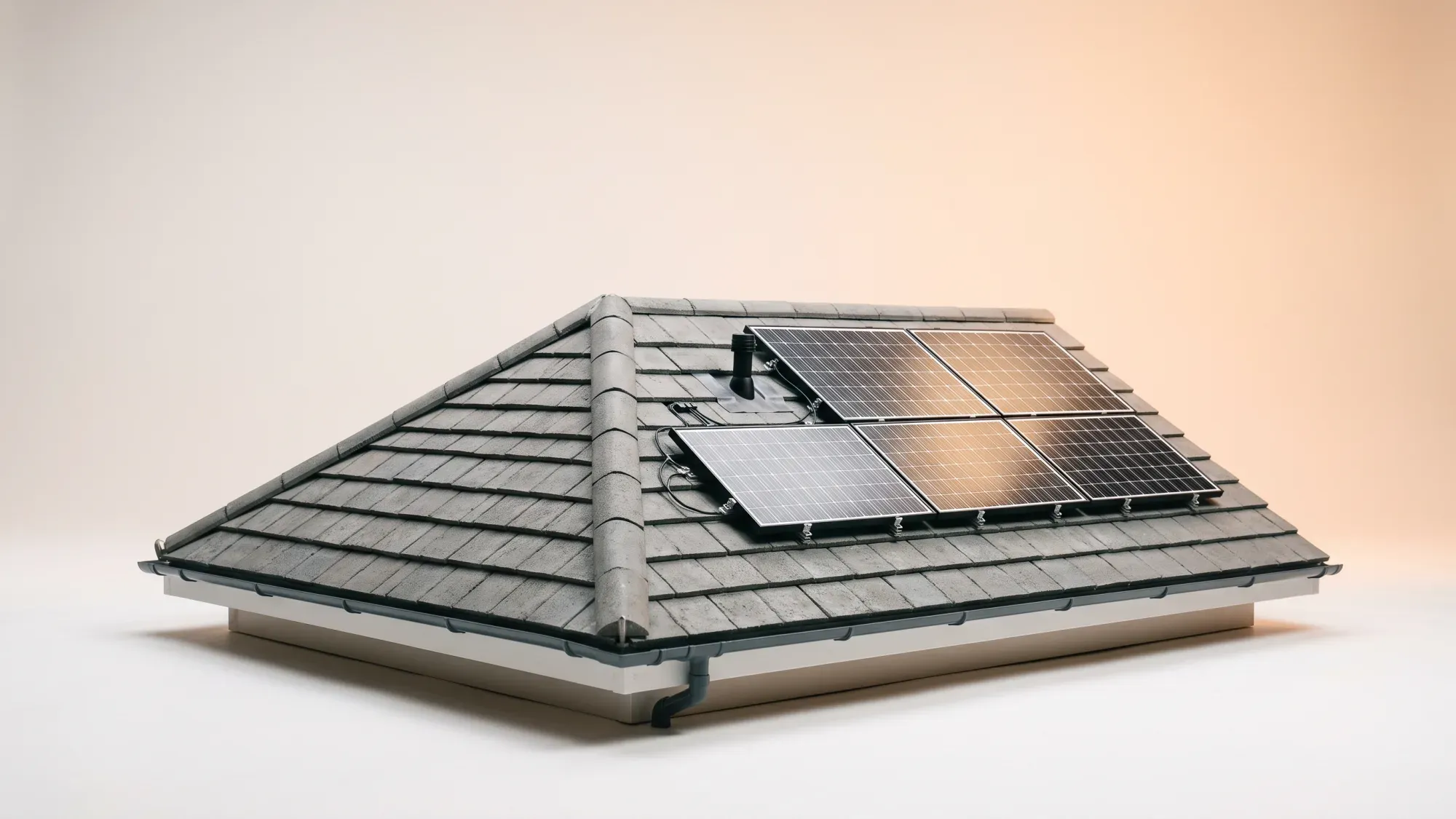
Low-income households in the UK can access government grants to make essential home energy efficiency upgrades, helping to reduce carbon emissions and tackle fuel poverty. The Energy Company Obligation (ECO4) scheme provides funding for these improvements, aiming to make homes warmer and more affordable to run. This guide explains how the ECO4 scheme works, who is eligible, what improvements it covers, and how to apply.
Making your home more energy efficient can significantly reduce your energy bills and improve comfort. Fuse Energy offers clear pricing and smart tools to help you manage your energy usage effectively. Click here to switch to Fuse Energy today.
Enter your address to get a quote and see how much you could save
What the ECO4 scheme is and how it works
The ECO4 scheme is a UK government-backed initiative designed to reduce carbon emissions and combat fuel poverty by improving the energy efficiency of homes. It places a legal obligation on larger energy suppliers to deliver energy efficiency measures to eligible households across Great Britain. The scheme prioritises a 'whole-house' approach, focusing on comprehensive retrofits rather than single improvements to achieve lasting energy savings. The ECO4 scheme runs until 31 December 2026, following a nine-month extension. However, as the scheme approaches its completion, new applications may be limited.
Understanding the Energy Company Obligation
The ECO scheme has been running in various forms since 2013, evolving to address different aspects of energy efficiency and fuel poverty. ECO4 is the latest iteration, building on the successes of previous phases. It requires large energy suppliers to fund energy efficiency improvements in homes across Great Britain. This obligation is set by Ofgem, the UK's energy regulator, which also monitors compliance. The funding for these upgrades comes from the energy suppliers themselves, making it a legal requirement rather than a direct government grant.
The 'whole-house' approach to upgrades
ECO4 moves away from funding single measures in isolation. Instead, it promotes a 'whole-house' approach, aiming for comprehensive retrofits that deliver significant, long-term energy savings. This means that when you apply, a home assessment will identify the most effective combination of improvements for your property, rather than just installing one specific upgrade you might have in mind. The goal is to achieve a higher Energy Performance Certificate (EPC) rating for your home, making it substantially more energy-efficient.
Who is eligible for ECO4 grants?
Eligibility for ECO4 grants primarily targets low-income and vulnerable households living in poorly insulated homes. To qualify, your home typically needs an EPC rating of D, E, F, or G.
Income-based eligibility criteria
While many routes to ECO4 eligibility are benefit-based, some pathways consider household income. For instance, Child Benefit eligibility under ECO4 depends on household income and the number of children. If your household income is below a threshold set by your local authority, you may qualify through the flexible eligibility route, even if you do not receive qualifying benefits.
Benefit-based eligibility
The most common route to ECO4 is by receiving specific means-tested benefits. If anyone in your household receives one of the following, you may qualify:
- Universal Credit
- Pension Credit Guarantee Credit or Pension Credit Savings Credit
- Child Tax Credit or Working Tax Credit (income thresholds may apply)
- Income-based Jobseeker's Allowance (JSA)
- Income-related Employment and Support Allowance (ESA)
- Income Support
- Housing Benefit
- Child Benefit (subject to income thresholds)
It is worth noting that some benefits, such as Attendance Allowance, Carer's Allowance, Disability Living Allowance (DLA), and Personal Independence Payment (PIP), do not qualify for ECO4 funding on their own.
Vulnerability and referral pathways
Not all households in fuel poverty receive means-tested benefits. For these situations, ECO4 includes a flexible eligibility route, often called LA Flex (Local Authority Flex). Under LA Flex, your local council can refer you to the scheme if your household meets their local criteria for fuel poverty or vulnerability. This can apply if you are on a low income but do not claim benefits, if someone in your household has a health condition worsened by a cold home, or if you are an older person struggling with energy costs.
What is the main goal of the ECO4 scheme?
The ECO4 scheme aims to reduce carbon emissions and combat fuel poverty by improving the energy efficiency of homes in Great Britain. It places a legal obligation on larger energy suppliers to fund and deliver comprehensive energy efficiency measures to eligible low-income and vulnerable households.
What home improvements does ECO4 cover?
The ECO4 scheme covers a wide range of energy efficiency measures designed to significantly improve your home's thermal performance and reduce energy consumption. The specific upgrades you receive will depend on a home energy assessment, which identifies the most impactful improvements for your property's EPC rating.
Insulation measures
Insulation is a primary focus of ECO4, following a 'fabric first' approach to reduce heat loss. Covered measures typically include:
- Loft insulation
- Cavity wall insulation
- Solid wall insulation (internal or external)
- Room-in-roof insulation
- Underfloor insulation
These measures are crucial for preventing heat from escaping, making your home warmer and reducing the need for heating.
Heating system upgrades
ECO4 also supports upgrades to inefficient heating systems, prioritising low-carbon alternatives. This can include:
- Air source heat pumps
- High heat retention electric storage heaters
- First-time central heating systems
- Boiler repairs or replacements (limited to inefficient systems or those beyond repair)
- Connections to district heating systems
- Smart heating controls and thermostats
The scheme encourages replacing older, less efficient systems with modern, greener options to lower energy bills and carbon footprints. You can learn more about the potential costs and benefits of these systems in our article on air source heat pump cost.
Renewable energy installations
While the primary focus is on insulation and heating, ECO4 can sometimes cover renewable energy installations, such as solar photovoltaic (PV) panels. However, solar panels are typically funded as a heating measure and are often limited to homes with electric heating systems or where they complement other primary measures like heat pumps. They are rarely funded as a standalone measure. For more information on available support, see our guide to solar panel grants in the UK.
Applying for an ECO4 grant: a step-by-step guide
Navigating the application process for an ECO4 grant can seem daunting, but breaking it down into steps makes it more manageable.
Initial eligibility check
Start by checking if you meet the initial eligibility criteria based on benefits received or household income, and if your property has an EPC rating of D, E, F, or G. Many ECO4 providers offer online tools to help you with this preliminary check.
Home assessment and survey
If you appear eligible, the next step is to contact an ECO4-approved installer or an obligated energy supplier to arrange a home energy assessment. A qualified surveyor will visit your property to identify suitable energy efficiency measures and determine the most effective upgrades under the 'whole-house' approach. This assessment is crucial for tailoring the grant to your home's specific needs.
Receiving your grant offer
Following the assessment, you will receive a proposal outlining the recommended upgrades and the grant funding available. For most eligible households, the work is fully funded, though in some cases a contribution might be requested. It is important to understand what the offer covers and any potential contributions you might need to make.
Installation and completion
Once you approve the proposed works, the installation will be scheduled with an approved installer. After completion, you can enjoy a more energy-efficient home, which should lead to lower energy bills and improved comfort. Remember that ECO4 is not a cash grant; energy suppliers typically pay the installer directly.
Finding an approved ECO4 installer
Choosing the right installer is crucial for ensuring the quality and safety of your home energy upgrades under ECO4.
Importance of TrustMark and PAS standards
Installers carrying out work under ECO4 must be TrustMark registered and adhere to Publicly Available Specification (PAS) standards for quality and consumer protection. TrustMark is a government-endorsed quality scheme that ensures tradespeople meet high standards of workmanship and customer service. Always verify that your chosen installer is TrustMark registered to ensure peace of mind.
Questions to ask potential installers
When speaking with potential ECO4 installers, consider asking:
- Are you TrustMark registered and do you adhere to PAS standards?
- Can you provide references from previous ECO4 projects?
- What is the estimated timeline for the assessment and installation process?
- What measures do you take to ensure minimal disruption during installation?
- How do you handle any potential issues or follow-up after the installation?
Choosing a reputable installer helps ensure your home improvements are carried out to the highest standards.
Beyond the grant: long-term benefits of energy efficiency
The immediate benefit of an ECO4 grant is the funding for home improvements, but the advantages extend far beyond the initial installation.
Reduced energy bills and fuel poverty
The primary goal of ECO4 is to tackle fuel poverty by making homes more energy-efficient. By upgrading insulation and heating systems, your home will retain heat better and require less energy to stay warm, directly leading to lower energy bills. The government estimates that upgrades installed through ECO4 are delivering around £210 million in annual energy bill savings for households. This sustained reduction in energy costs can make a significant difference to household budgets.
Increased home comfort and value
An energy-efficient home is a more comfortable home. Improved insulation eliminates draughts and cold spots, maintaining a consistent indoor temperature. This not only enhances your living environment but can also increase your property's value by improving its EPC rating. A higher EPC rating is increasingly attractive to potential buyers or renters.
Contribution to a greener future
By participating in the ECO4 scheme, you are directly contributing to the UK's broader environmental goals. The scheme is designed to reduce carbon emissions from residential properties, aligning with the UK's target of reaching Net Zero by 2050. Every energy-efficient upgrade helps to lower the overall demand for energy, supporting a more sustainable and robust energy system.
Understanding your energy usage is key to making the most of home efficiency upgrades. Fuse Energy provides clear, real-time usage data through our app, helping you track your consumption and identify further savings. Our 24/7 human support team is always on hand to help you manage your energy effectively. Click here to switch to Fuse Energy today and take control of your home's energy. You can also learn more about our mission to make energy abundant and affordable by visiting our mission page.
Disclaimer
For the avoidance of doubt, this article is provided for informational purposes only and is not intended to constitute legal or financial advice. The author and/or Fuse Energy shall not be responsible for any losses arising out of any reliance on the information contained herein.