Eco home: sustainable living
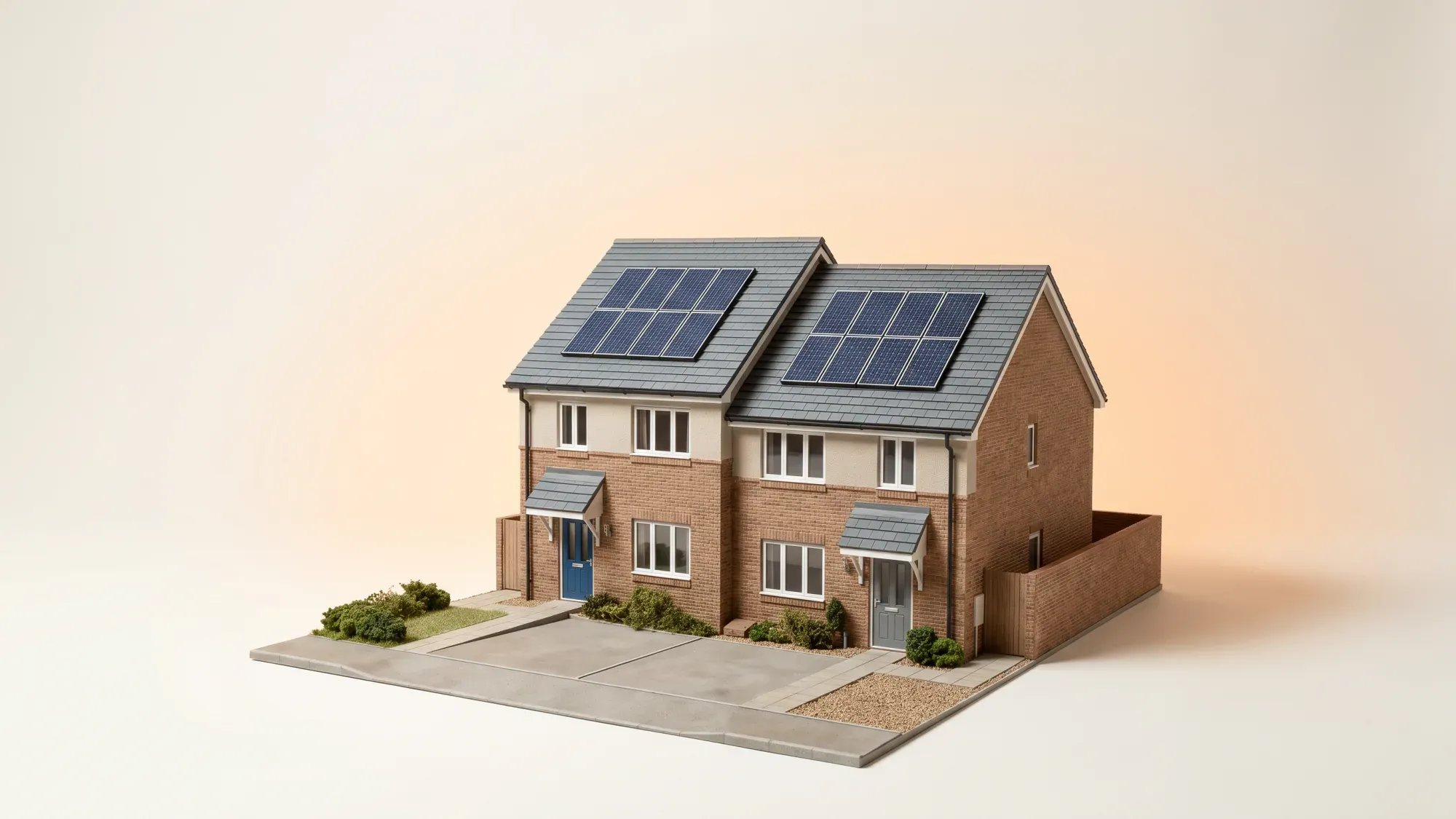
An eco home minimises environmental impact through energy efficiency, renewable energy generation, and sustainable resource management. For UK homeowners, this approach offers reduced energy bills, increased comfort, and a lower carbon footprint. This article outlines practical steps to transform your home into a more sustainable living space, focusing on accessible upgrades and smart energy management.
Making your home more energy-efficient benefits both your finances and the planet. Fuse Energy helps you understand and manage your energy use with clear pricing and in-app data, simplifying your eco-home journey. Click here to see how Fuse Energy can support your sustainable living goals.
Enter your address to get a quote and see how much you could save
What defines an eco home?
An eco home is a holistic approach to living that considers environmental impact at every turn. It is about creating a comfortable, healthy, and efficient living space that works with nature, not against it.
Understanding the core principles
At its heart, an eco home focuses on three core principles: minimising energy consumption, generating energy from renewable sources, and managing resources sustainably. This means everything from the materials used in its construction to the way you heat your water is considered. The goal is to reduce your home's overall ecological footprint.
Beyond the basics: key features
Beyond fundamental principles, eco homes often feature advanced insulation, double or triple glazing, and efficient heating systems like heat pumps. They might also incorporate rainwater harvesting, greywater recycling, and smart home technology for optimised energy use. The aim is to create a self-sufficient and low-impact living environment.
The benefits of an eco home
Embracing an eco home offers a range of advantages that extend beyond environmental responsibility, directly impacting your daily life and finances.
Environmental impact
The primary benefit of an eco home is its reduced environmental footprint. By consuming less energy and generating power from renewable sources, you contribute to lower greenhouse gas emissions and a healthier planet. This helps combat climate change and preserves natural resources for future generations.
Financial savings
Eco homes are designed to be energy efficient, leading to significant financial savings. Improved insulation, efficient appliances, and self-generated electricity translate directly into lower utility bills. For instance, the average UK home uses around 2,500 kWh of electricity per year, according to Ofgem, and reducing this consumption directly impacts your outgoings.
Enhanced comfort and health
Beyond savings, an eco home provides a more comfortable and healthier living environment. Consistent indoor temperatures, better air quality due to improved ventilation, and reduced draughts contribute to a more pleasant home. Natural light optimisation can also enhance well-being.
Practical steps to create an eco home
Transforming your home into an eco-friendly space doesn't always require a complete overhaul. Many accessible upgrades can make a significant difference.
Improving insulation and draught-proofing
One of the most effective ways to reduce energy consumption is to prevent heat loss. Upgrading loft, wall, and floor insulation can drastically improve your home's thermal performance. Addressing draughts around windows and doors with simple sealing measures also contributes to a warmer home and lower heating bills.
Harnessing renewable energy
Generating your own energy is a cornerstone of eco-living. While rooftop solar is a popular option, accessible alternatives exist.
Is plug-in solar legal in the UK?
Yes, compliant standalone plug-in solar has been legal in the UK since 27 August 2026, under SI 2026/848. This legislation allows a single device with an 800W AC export limit to be connected via a standard BS 1363 plug, making solar generation more accessible for many homeowners.
Plug-in solar kits, for example, offer a straightforward way to start generating electricity, often suitable for balconies or gardens. These systems typically feature a solar panel and a microinverter, converting direct current (DC) to alternating current (AC) for household use. While not eligible for the Smart Export Guarantee (SEG), self-consumption of the generated power directly offsets your electricity bill. Any unused generation still goes to the grid, and some suppliers may offer export tariffs outside the SEG scheme. For any plug-in solar installation, the consumer or their supplier must notify the Distribution Network Operator (DNO) under G98 within 28 days of installation.
Smart home technology and energy management
Smart technology empowers you to monitor and control your energy usage. Smart meters provide real-time data on consumption, helping you identify areas for improvement. Smart thermostats, lighting, and appliance controls allow for automated energy management, ensuring you only use energy when and where it's needed. This proactive approach to energy management is crucial for optimising existing home efficiency. You can learn more about the benefits of smart meters and how they can help you manage your energy.
Financial support and grants for eco home improvements
The UK government offers various schemes and grants to support homeowners in making their properties more sustainable.
Government schemes and local grants
Several government initiatives aim to encourage eco-friendly home improvements. These can include grants for insulation, heat pumps, or other energy-saving measures. Eligibility criteria vary, so it is worth researching what is available in your local area and through national schemes. Ofgem, the UK's energy regulator, provides valuable information on available support.
Smart meter upgrades
Upgrading to a smart meter is often a free service provided by your energy supplier. These meters offer accurate billing and detailed insights into your energy consumption, which are essential for effective energy management. Fuse offers smart meter upgrades to help you gain transparency and control over your energy use.
EV chargepoint grants
For electric vehicle (EV) owners, grants are available to help with the cost of installing a home chargepoint. The EV Chargepoint Grant for renters and flat owners, for example, offers up to £500 towards the cost of installation. This grant is specifically for those who own and live in a flat, or rent any residential property, and have private off-street parking. Other schemes exist for households
Disclaimer
For the avoidance of doubt, this article is provided for informational purposes only and is not intended to constitute legal or financial advice. The author and/or Fuse Energy shall not be responsible for any losses arising out of any reliance on the information contained herein.