Draught proofing: seal your home for comfort
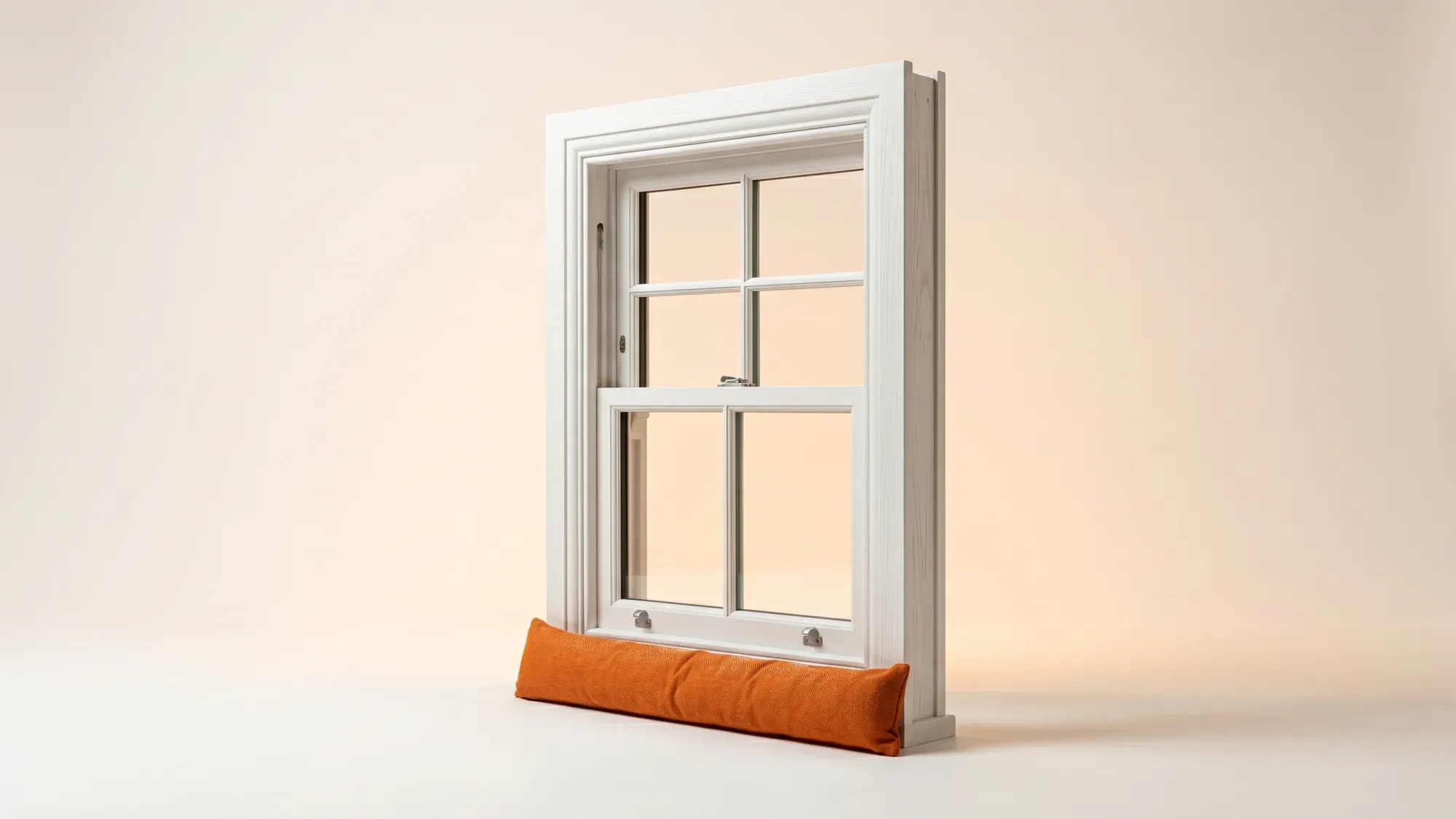
Sealing unwanted air currents can make your home warmer, more energy-efficient, and give you tangible control over heating costs. Draughts are a common problem in many UK homes, leading to discomfort and unnecessarily high heating bills. This guide will walk you through understanding, identifying, and effectively tackling draughts, ensuring a healthier, more comfortable living space.
To truly understand your home's energy use and see the impact of improvements like draught proofing, consider switching to Fuse Energy. We offer clear pricing and tools to help you manage your energy more effectively. Click here to get started.
Enter your address to get a quote and see how much you could save
Understanding draughts and their impact
Cold air sneaking into your home can significantly impact your comfort and finances. Understanding what draughts are and why they matter is the first step towards a warmer home.
What are draughts?
A draught refers to unwanted cold air that enters your home through gaps and cracks in the building's exterior. Draught proofing involves blocking these gaps to prevent cold air from getting in and warm air from escaping. It differs from insulation, which slows heat transfer through walls, roofs, and floors, though both work together to keep your home warm.
Draught vs draft: UK spelling
In the UK, the correct spelling for these unwanted air currents is draught. The spelling 'draft' is typically used in American English. While both terms are often used interchangeably in search queries, draught is the preferred term in British English for this context.
Why draughts cost you money and comfort
Draughts are a significant source of heat loss in UK homes, contributing to higher energy bills and reduced indoor comfort. This means your heating system works harder to maintain a comfortable temperature, leading to wasted energy. The average UK home uses around 9,500 kWh of gas per year1, and effective draught proofing can play a key role in reducing this overall consumption. Draught proofing can lead to noticeable savings on energy bills. To better understand how your energy consumption translates into costs, it's helpful to know more about understanding your energy bill.
Identifying draughts in your home
Finding draughts is often simpler than you might think. A thorough inspection can reveal common culprits and less obvious sources of unwanted airflow.
Common draught hotspots
Common draught sources include gaps around windows and doors, floorboards, loft hatches, pipework, and unused chimneys. Other areas to check are letterboxes, keyholes, and even electrical sockets on external walls.
How to conduct a draught test
You can conduct a simple draught test using a lit candle or an incense stick. On a cold, windy day, move the flame or smoke slowly around potential draught areas. If the flame flickers or the smoke is drawn inwards, you've found a draught. For a more precise method, especially around windows and doors, try the "paper test": close a window or door on a piece of paper. If you can easily pull the paper out, there's a gap allowing air to pass through.
Tools for finding hidden draughts
Beyond a candle or paper, consider using a thermal imaging camera (available for hire or as smartphone attachments) to visualise cold spots. Alternatively, a professional energy audit can pinpoint hidden air leaks with specialised equipment.
What is the most effective way to find draughts?
The most effective way to find draughts is to use a lit candle or incense stick on a cold, windy day. Move it slowly around windows, doors, and other potential gaps. A flickering flame or smoke being drawn inwards indicates a draught. For a more detailed assessment, consider a thermal imaging camera.
Effective draught-proofing solutions
Once you've identified the sources, choosing the right materials and methods is crucial for effective draught proofing.
Windows and doors
For windows and doors, self-adhesive foam strips or rubber seals are effective for sealing small gaps. For larger gaps, consider brush or wiper strips for the bottom of doors. Letterbox brushes and keyhole covers can also significantly reduce airflow. Ensure that any solutions chosen allow for the natural movement of windows and doors without causing damage.
Floorboards and skirting boards
Gaps between floorboards and skirting boards are common in older UK homes. You can seal these using a flexible wood filler, decorators' caulk, or specialist draught excluder strips designed for floors. For larger gaps, consider using a non-setting mastic or a flexible sealant that can accommodate movement.
Loft hatches and pipework
Loft hatches are often overlooked. Seal the edges with self-adhesive foam strips and ensure it sits flush. For pipework entering or exiting external walls, use expanding foam filler or decorators' caulk to seal around the pipes.
Letterboxes, keyholes, and pet flaps
These small openings can let in a surprising amount of cold air. Install brush or flap-style draught excluders for letterboxes. Keyhole covers are inexpensive and easy to fit. For pet flaps, consider a well-sealed, insulated model, or add a brush seal around the existing flap.
Measuring the impact of your efforts
Draught proofing is an investment in your home's comfort and efficiency. Seeing the tangible results can be highly motivating.
Tracking savings with the Fuse app
The Fuse app helps homeowners track their overall energy usage in real-time, which can indirectly help them observe the impact of efficiency measures like draught proofing on their bills and understand their energy consumption better. By reducing wasted energy from draughts, homeowners can make more efficient use of the energy they consume, aligning with Fuse's vision of having more energy to play with through smarter energy management. Eligible Fuse customers can also receive a free smart meter upgrade, a foundational step for precise energy tracking and understanding the benefits of draught proofing by providing accurate consumption data.
Combining draught proofing with other measures
Draught proofing is an excellent first step, but it's part of a broader strategy for home energy efficiency. Combining it with adequate insulation (loft, wall, floor) and ensuring proper ventilation will maximise comfort and savings. For more ways to keep your home warm and reduce your bills, explore our energy-saving tips for winter. Remember, draught proofing is not a substitute for proper home insulation or ventilation.
When to seek professional help
While many draught-proofing tasks are suitable for DIY, some situations may warrant professional assistance. If you have complex issues with sash windows, significant structural gaps, or suspect issues with your chimney, a professional can offer expert advice and solutions. Fuse offers 24/7 human customer support for any energy-related queries, providing assistance as homeowners work to improve their home's efficiency and understand their energy data.
Draught proofing is just one way to take control of your home's energy. With Fuse Energy, you gain access to clear pricing, real-time usage data through our app, and 24/7 human customer support to help you on your energy efficiency journey. We believe in making energy simple and transparent, so you can focus on making your home more comfortable and efficient. Ready to make a change? Switch to Fuse Energy today and start managing your energy smarter. Click here to get a quote and join our community. You can also learn more about our mission to transform energy for good here.
References
Disclaimer
For the avoidance of doubt, this article is provided for informational purposes only and is not intended to constitute legal or financial advice. The author and/or Fuse Energy shall not be responsible for any losses arising out of any reliance on the information contained herein.