Condensation on double-glazed windows
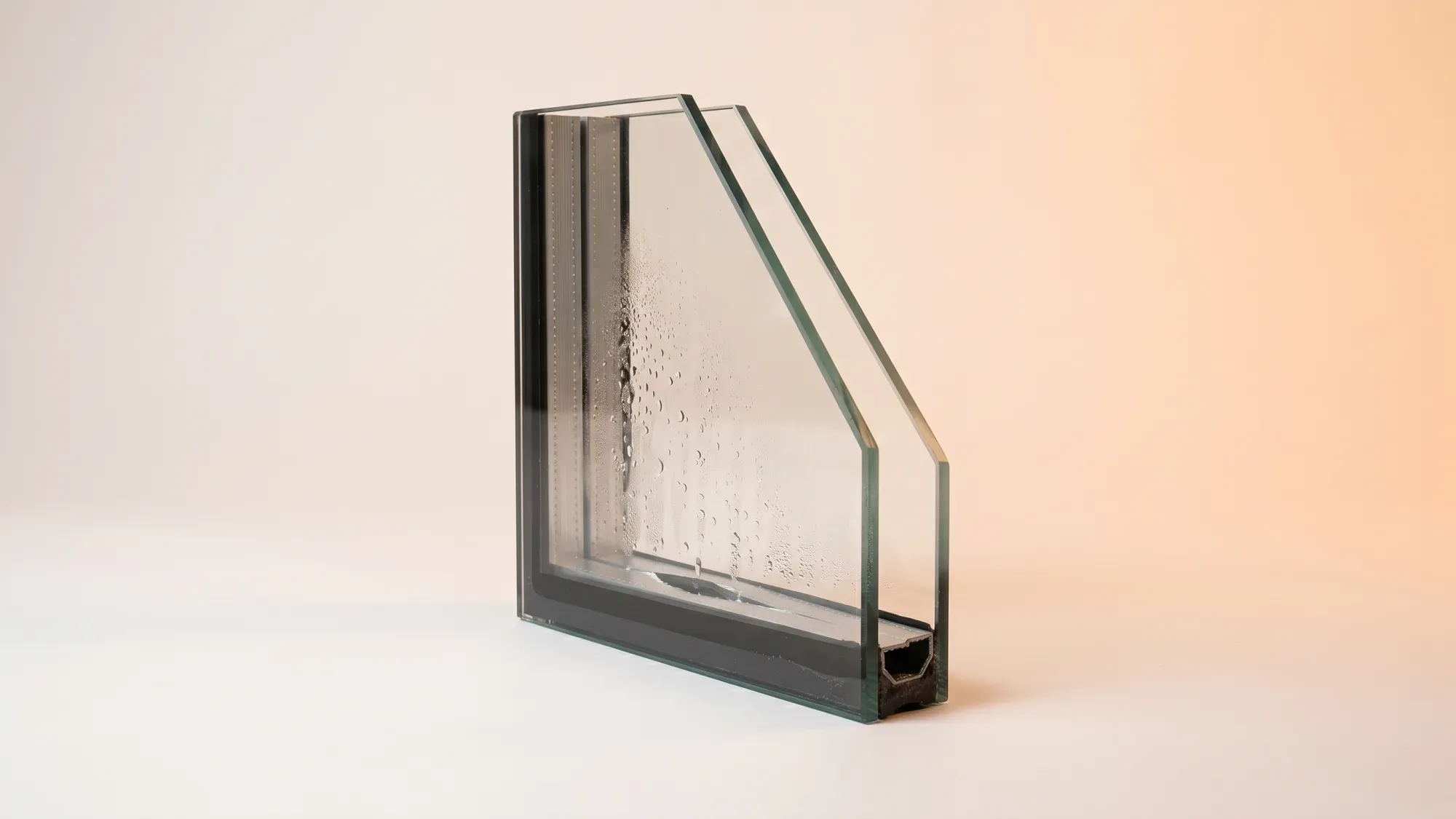
Condensation on double-glazed windows is a common issue in UK homes, often indicating an imbalance of temperature and humidity. While it might seem like a minor annoyance, it can signal deeper issues related to energy efficiency and indoor air quality. Understanding the types and causes of condensation can help improve your home's comfort and energy management.
Dealing with condensation on your double-glazed windows often comes down to managing your home's energy and environment. Fuse Energy helps you take control of your home's energy use with clear pricing and smart tools. Click here to switch to Fuse Energy today.
Enter your address to get a quote and see how much you could save
Understanding condensation on double-glazed windows
What is condensation?
Condensation occurs when warm, moist air meets a colder surface. The air cools rapidly, causing the water vapour it holds to turn into liquid water, forming droplets on that cold surface. It is a natural physical process, but its presence on your windows can reveal a lot about your home's environment.
Why double glazing still gets condensation
Double glazing is designed to reduce heat transfer, creating an insulating barrier with two panes of glass separated by a sealed gap, often filled with an inert gas like argon. This helps keep the inner pane warmer, making it less likely for condensation to form on the inside surface. However, double glazing does not eliminate moisture from the air, nor does it guarantee a consistently warm surface. If indoor humidity levels are high enough, or if the window's insulating properties are compromised, condensation can still appear.
Types of condensation and their causes
The location of condensation on your double-glazed windows is key to diagnosing the underlying problem.
Internal condensation: high indoor humidity
Condensation on the inside surface of your windows (the pane facing into your room) is typically caused by high indoor humidity and insufficient ventilation. Everyday activities like cooking, showering, drying clothes indoors, and even breathing release significant amounts of moisture into the air. Without adequate ventilation, this moisture becomes trapped, leading to high humidity levels. When this warm, moist air meets the cooler window surface, condensation forms. Poor ventilation can lead to a build-up of moisture, increasing the risk of damp and mould.
External condensation: a sign of good insulation
If you find condensation on the outside surface of your double-glazed windows, especially on cool mornings, it is usually a sign that your windows are working efficiently. This occurs because the outer pane remains cold, preventing heat from escaping your home. When the external air is humid and the glass temperature drops below the 'dew point', condensation forms. This type of condensation is generally harmless and will evaporate as the day warms up.
Condensation between panes: a failed seal
Condensation trapped between the two panes of glass in a double-glazed unit indicates a failed seal. Double-glazed units rely on an airtight seal to maintain the insulating gas or dry air within the cavity. Over time, these seals can degrade due to age, exposure to sunlight, temperature fluctuations, or poor installation. Once the seal is compromised, moist air can enter the cavity, and the desiccant material designed to absorb moisture becomes saturated, leading to visible condensation that cannot be wiped away. This issue reduces the window's thermal performance, making your home less energy efficient.
Effective solutions for managing condensation
Addressing condensation often involves a combination of strategies to manage indoor humidity and improve air circulation.
Improving ventilation
Proper ventilation is crucial for removing excess moisture from your home. Simple steps can make a big difference:
- Open windows: Even briefly opening windows for 10-15 minutes a day, particularly in rooms where moisture is generated (kitchens, bathrooms), helps to exchange humid indoor air with drier outdoor air.
- Use extractor fans: Always use extractor fans in kitchens when cooking and in bathrooms when showering or bathing. Ensure they are clean and functioning correctly.
- Trickle vents: If your windows have trickle vents, keep them open to allow continuous low-level airflow.
- Avoid drying clothes indoors: If possible, dry clothes outside or use a vented tumble dryer. If drying indoors is necessary, do so in a well-ventilated room with the door closed and a window slightly open.
Optimising heating
Maintaining a consistent, moderate temperature throughout your home helps prevent cold surfaces where condensation can form. Instead of rationing heat, which can worsen condensation problems, aim for steady heating. This approach aligns with Fuse's vision of energy abundance, where homeowners can use energy smartly for optimal comfort without guilt.
Using dehumidifiers
Dehumidifiers can effectively reduce humidity levels in particularly damp areas or homes prone to condensation. They extract moisture from the air, helping to maintain a healthier indoor environment.
Quick fixes and DIY tips
- Wipe down surfaces: Regularly wipe away condensation from windows and sills to prevent mould growth.
- Keep furniture away from walls: Ensure a small gap between furniture and external walls to allow air to circulate, preventing moisture build-up behind them.
- Close internal doors: Close doors to kitchens and bathrooms when in use to prevent moist air from spreading to other, cooler parts of the house.
Preventing condensation: long-term strategies
For lasting relief from condensation, consider these long-term approaches that contribute to a healthier and more energy-efficient home.
Assessing home insulation
Good insulation helps keep your home's internal surfaces warmer, reducing the likelihood of condensation. While double glazing is a key part of this, assessing and improving wall, loft, and floor insulation can further enhance your home's thermal envelope.
Addressing draughts and air leaks
Sealing draughts and air leaks can improve your home's energy efficiency. However, it is important to balance this with adequate ventilation to avoid trapping moisture indoors. Modern building regulations in the UK specify minimum ventilation requirements for new builds and extensions to manage moisture and indoor air quality, highlighting the importance of controlled airflow.
Monitoring indoor humidity
Ideally, the relative humidity indoors should be between 30% and 50% to prevent condensation and mould growth. Consistently high humidity above 60% significantly increases the risk of mould. Using a hygrometer to monitor humidity levels can help you understand your home's environment and adjust your ventilation and heating strategies accordingly.
When to consider professional help or window replacement
Sometimes, condensation issues go beyond simple humidity management and require professional intervention.
Diagnosing failed double glazing
If you observe condensation between the panes of your double glazing, it is a clear sign of a failed seal. This cannot be repaired through DIY methods; the sealed unit requires replacement to restore thermal performance and appearance. Other signs of a failed unit include draughts around the glass itself, a milky appearance, or windows that feel noticeably colder.
Consulting a window specialist
For persistent condensation between panes, or if you suspect structural issues with your windows, consulting a window specialist is advisable. They can assess the extent of the damage and recommend whether individual glazing units can be replaced or if full window replacement is necessary. Replacing only the failed glass unit is often a more cost-effective and less disruptive solution than replacing the entire window, provided the frame is still sound.
The link to overall home energy efficiency
Condensation, particularly internal condensation, can be a symptom of energy inefficiency. Homes that are difficult to heat or prone to cold spots often struggle with moisture management. By addressing condensation through better ventilation, consistent heating, and improved insulation, you are not just clearing your windows; you are enhancing your home's overall energy efficiency and comfort. This aligns with Fuse's mission to deliver abundant, clean energy, empowering homeowners to create a healthier, more comfortable living environment without the constraints of energy scarcity thinking. Landlords have a legal obligation to ensure properties are fit for human habitation, which includes addressing issues like excessive damp and mould caused by condensation, under legislation such as the Homes (Fitness for Human Habitation) Act 2018 in England.
Managing your home's energy effectively is key to tackling issues like condensation and creating a comfortable living space. Fuse Energy offers clear pricing, real-time usage data through our app, and 24/7 human customer support to help you stay in control. Switching is quick and easy, so you can start benefiting from a smarter energy experience today. Click here to switch to Fuse Energy and discover a future with power to play with. You can also learn more about our mission to make energy abundant by clicking here.
Disclaimer
For the avoidance of doubt, this article is provided for informational purposes only and is not intended to constitute legal or financial advice. The author and/or Fuse Energy shall not be responsible for any losses arising out of any reliance on the information contained herein.