Do solar panels work in winter?
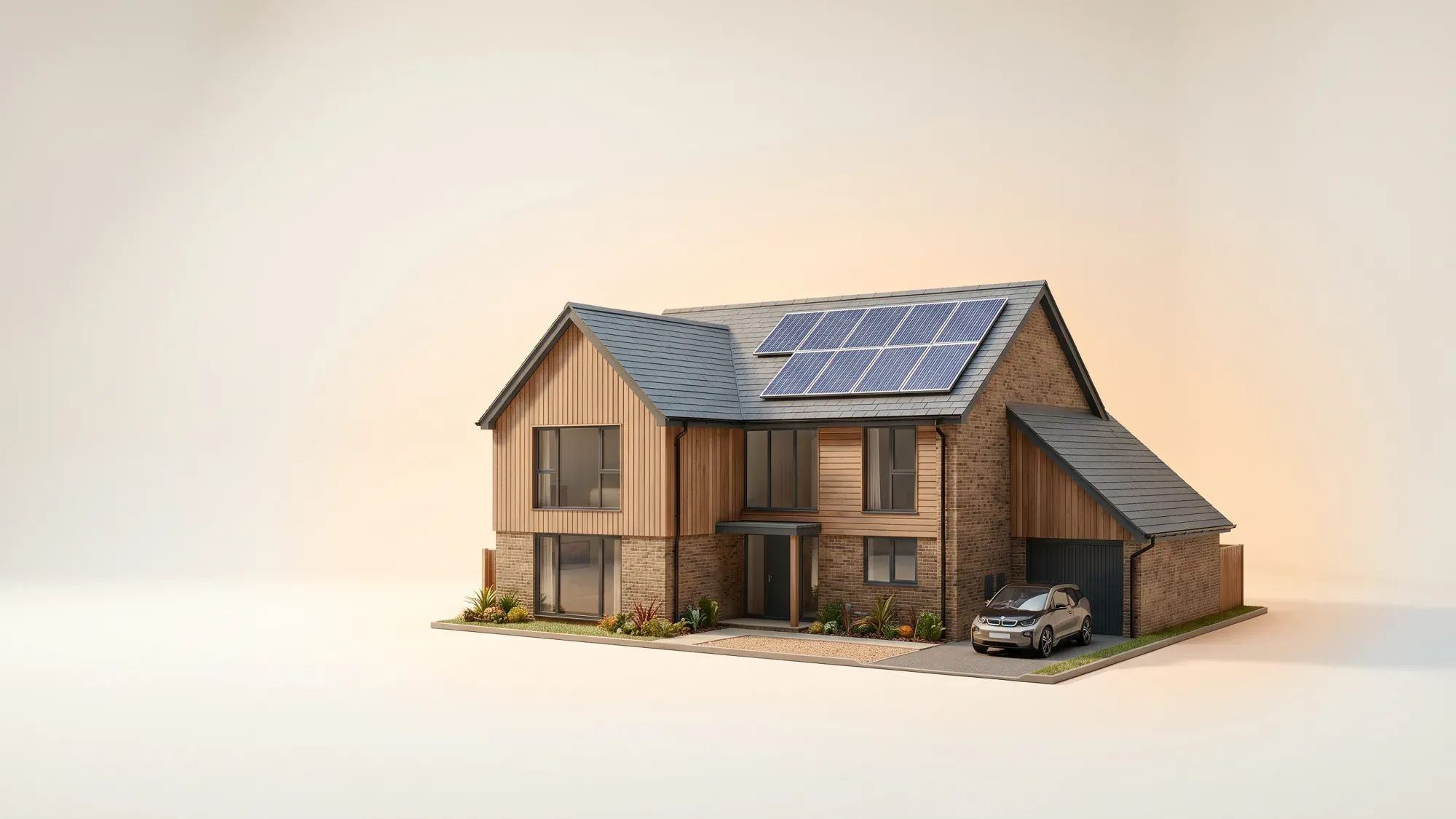
Yes, solar panels absolutely work in winter, even in the UK. While the darker, colder months present different conditions than summer, your solar panels continue to generate electricity from daylight, not heat. The key is understanding how these seasonal variations affect output and how you can optimise your system's performance.
Understanding solar panel performance in winter
Many homeowners worry that their solar panels will become ineffective when temperatures drop. However, the science behind solar power reveals a more nuanced picture.
The science behind winter solar efficiency
Solar panels convert sunlight into electricity using photovoltaic (PV) cells. These cells actually perform more efficiently in cooler temperatures. For every degree Celsius the temperature drops below 25°C, solar panel efficiency can increase by approximately 0.3% to 0.5%. This means a crisp, clear winter day can see your panels operating at peak efficiency, provided there's ample sunlight.
Sunlight vs temperature: what matters most?
While cold temperatures are beneficial for the panels themselves, the primary factor influencing solar output in winter is the amount of available daylight and the intensity of the sun. Solar panels rely on photons from sunlight to generate electricity. In winter, shorter days and a lower sun angle mean fewer hours of direct, intense sunlight, which naturally leads to reduced overall generation.
Factors affecting solar output in UK winters
UK winters are characterised by specific weather patterns that impact solar generation. Understanding these factors helps set realistic expectations for your system's performance.
Shorter days and lower sun angles
The most significant factor affecting solar output in the UK during winter is the dramatic reduction in daylight hours and the sun's lower position in the sky. In December, for instance, the UK experiences significantly fewer hours of daylight compared to June. This, combined with the sun striking panels at a shallower angle, means your system will generate considerably less electricity. UK solar panels typically produce around 10% to 30% of their peak summer output during the winter months.
Cloud cover and diffused light
Cloudy days are a common feature of UK winters. While direct sunlight is ideal, solar panels are still capable of generating electricity from diffused light - the sunlight that penetrates or scatters through clouds. Even on heavily overcast days, solar panels can still generate 10% to 25% of their peak output. This means your system is rarely producing nothing, even when the sky looks grey.
The impact of snow and ice
Snowfall can temporarily block sunlight from reaching your panels, leading to a drop in generation. However, solar panels are often installed at an angle, which helps them shed snow naturally as it melts or slides off. The cold temperatures associated with snow can also enhance efficiency once the panels are clear. Heavy, prolonged snow cover is less common across much of the UK, and its impact is usually temporary.
Maximising your solar panels' efficiency
Even with the challenges of winter, there are practical steps you can take to ensure your solar panels perform as efficiently as possible.
Regular cleaning and maintenance
Keeping your panels clean is crucial, especially in winter when lower sun intensity makes every photon count. Dirt, leaves, and other debris can accumulate on the surface, reducing the amount of light reaching the PV cells. A simple clean with water and a soft brush can make a noticeable difference. Rain can help, but a manual clean ensures optimal performance.
Ensuring optimal panel angle
While the tilt of your panels is typically set during installation, ensuring no new obstructions have appeared is important. For new installations, the angle is chosen to maximise annual generation, balancing summer and winter performance.
Addressing shading issues
Winter's lower sun angle means shadows from nearby trees or buildings can stretch further and fall across your panels for longer periods. Regularly trimming any overhanging branches can help minimise shading and maximise your system's exposure to available daylight.
Smart energy management for winter solar
With reduced winter generation, smart energy management becomes even more vital for homeowners with solar panels.
Optimising your energy consumption
Understanding your household's energy usage is the first step. According to Ofgem's latest figures, effective from 1 July 2026, the average UK home uses around 2,500 kWh of electricity per year. During winter, aligning your energy-intensive activities with periods of higher (even if reduced) solar generation can significantly cut down on the electricity you need to draw from the grid. This might mean running your washing machine or dishwasher during the brightest part of the day.
Battery storage: a winter ally
For solar owners with battery storage, winter offers an opportunity to maximise self-consumption. Any electricity generated by your panels that isn't immediately used can be stored in your battery and then discharged later, for example, during peak evening hours when electricity prices are typically higher. This reduces your reliance on grid electricity and helps you make the most of every kWh your panels produce.
The role of smart tariffs and export
Smart tariffs are designed to help you optimise your energy use and can be particularly beneficial in winter. These tariffs often feature variable rates throughout the day, encouraging you to use electricity when it's cheaper or when your solar generation is higher. If you have an export tariff, you can still earn money by selling any surplus electricity back to the grid, even if the amounts are smaller than in summer. This end-to-end optimisation helps manage costs effectively.
Fuse Energy: your partner for smart solar management
Fuse Energy empowers existing solar owners to make the most of their winter generation, providing tools and tariffs that offer control and capability even when output is lower.
Leveraging the Fuse app for insights
The Fuse app provides transparent monitoring of your energy usage and generation. This allows you to see exactly how much electricity your solar panels are producing in real-time, even on a cloudy winter's day, and how much you're consuming. These insights enable you to make informed decisions about when to use your appliances or when to charge your battery, helping you adapt to seasonal variations in solar output.
Making the most of your export tariff
Fuse's smart tariffs for existing solar owners are designed to help you optimise your energy costs. By understanding your generation patterns through the app, you can maximise your export to the grid during periods when it's most valuable, even with reduced winter generation. This helps you turn lower generation into a manageable scenario, ensuring you're always getting the best value from your solar investment.
Fuse does not install solar panels
It's important to note that Fuse Energy focuses on optimising energy use and export for homeowners who already have solar panels. We do not offer solar panel installation services or advice on choosing and installing solar panels. Our expertise lies in providing the tools and tariffs to help you manage your existing solar system efficiently throughout the year.
Disclaimer
For the avoidance of doubt, this article is provided for informational purposes only and is not intended to constitute legal or financial advice. The author and/or Fuse Energy shall not be responsible for any losses arising out of any reliance on the information contained herein.