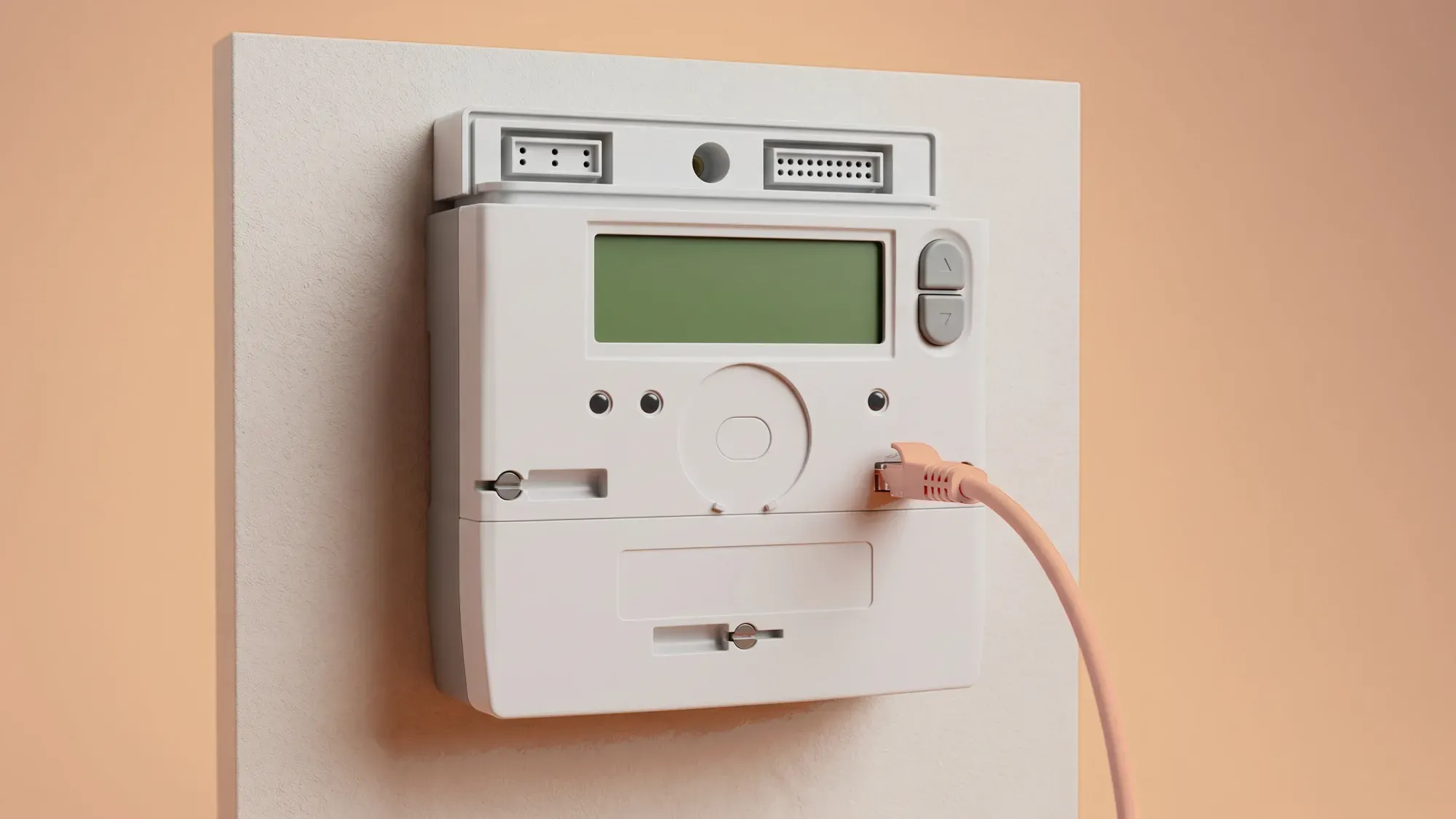
Smart meters in Great Britain use a dedicated, secure national communication network, not your home WiFi, to send energy usage data to suppliers. This independent system ensures reliable and secure data transmission, separate from your home internet connection.
Understanding how smart meters connect can provide peace of mind and clarify common misconceptions.
Smart meters do not use your home WiFi to send energy usage data to your energy supplier. The simple answer to this frequently asked question is no. Unlike your smart TV, computers, tablets, and other digital devices that operate using your home internet, smart meters send and receive information using a standalone network. This dedicated network is safe, secure, and completely separate from your WiFi and public broadband.
Understanding smart meter connectivity
Smart meters measure your energy usage and automatically transmit this data to your energy provider. This removes the need for manual meter readings, helping you avoid estimated bills and ensuring you only pay for the energy you actually use. The technology behind this automatic transmission is a secure, dedicated network, not your personal internet connection.
Dispelling the WiFi myth
The misconception that smart meters rely on home WiFi is common. However, smart meters do not need WiFi to work. You also do not connect a smart meter to WiFi during the installation process. This independence means your smart meter will continue to function even if your internet connection drops, or if you do not have internet in your home at all.
Smart meters communicate via a dedicated, secure national network managed by the Data Communications Company (DCC). This network is the digital backbone of the energy system, connecting smart meters in homes to energy suppliers, network operators, and other authorised third parties.
What is the data communications Company (DCC)?
The DCC is a licensed organisation, regulated mainly by Ofgem, responsible for operating and managing Great Britain's secure smart meter network. Its primary role is to create and maintain the highly secure data communications infrastructure for smart meters, ensuring that data is transmitted securely and reliably.
A secure, dedicated network for your energy data
Smart meters use a wireless and secure data network known as the Wide Area Network (WAN) to transmit readings. This network operates independently from the public internet and uses its own secure communication channels, often similar to mobile phone signals or radio masts. The data is encrypted before it leaves your home, ensuring its integrity and privacy.
Independent of your home internet
The DCC network is separate from your home internet, meaning your smart meter will never interfere with your home WiFi's speed or connection. This standalone network ensures that smart meters can operate effectively even in areas with poor mobile phone signal, as it uses various communication technologies, including cellular and long-range radio, to ensure widespread coverage across Great Britain.
Relying on a customer's WiFi would be unreliable for energy suppliers, as signals can be blocked, routers turned off, or passwords changed. The independent network avoids these issues, offering significant benefits.
Reliability and stability
The dedicated smart meter network is designed for stability. It provides extensive coverage across Great Britain, ensuring consistent connectivity. This means your energy data is transmitted reliably, regardless of your home internet's performance or availability.
Enhanced security and privacy
Smart meters are designed with security at their core, developed in collaboration with cyber security experts. The data transmitted is encrypted to prevent unauthorised access, and the network operates entirely separately from the public internet, reducing potential vulnerabilities.
No impact on your broadband performance
Since smart meters use their own network, they do not consume your home data plan or count against any data caps set by your Internet Service Provider. This ensures your broadband performance remains unaffected, allowing you to use your internet for other devices without interruption.
Concerns about data privacy and security are understandable, but smart meters are built with robust protections.
Encryption and authorised access
Smart meters only collect data on how much energy you use; they do not store personal information like your name, address, or bank details. This usage data is encrypted end-to-end before transmission and is stored under GDPR and UK Data Protection laws. Your energy usage data is securely shared with your energy supplier and other essential industry parties for billing and network management.
Your control over data sharing
You have control over how frequently data is shared, and your supplier can adjust this according to your preferences when your smart meter is installed. While sharing more data can help your supplier offer tailored energy efficiency advice, this is always your choice.
Regulatory oversight by Ofgem
Ofgem, the UK's energy regulator, oversees the rollout and operation of smart meters to ensure consumer protection and fair practices. They set rules that suppliers must follow to install and maintain meters, ensuring accurate billing and support for consumers.
It is natural to have questions about new technology, especially when it concerns your home energy.
What if my smart meter signal is weak?
If your smart meter signal is weak, you cannot buy and install your own device to enhance it. Solutions for smart meter connectivity issues are typically provided and managed by your energy supplier, who are responsible for ensuring your meter functions correctly. They have the tools and expertise to diagnose and resolve connectivity problems. If your in-home display (IHD) is not working correctly, try moving it closer to your smart meters or restarting it.
The phase-out of radio Teleswitch service (RTS) meters
The Radio Teleswitch Service (RTS) meters, an older meter type that uses a longwave radio signal to switch between peak and off-peak rates, are being phased out. The RTS signal phase-out began on 30 June 2025. If you have an RTS meter, your energy supplier should have contacted you to arrange a free smart meter upgrade to avoid disruption to your heating and hot water.
What about other smart home devices?
Smart meters do not use the same WiFi as other smart home devices. While some smart home devices might use WiFi, smart meters operate on a separate, secure network. It is rare for a smart meter to interfere with your WiFi signal. If you experience issues, it is usually due to your WiFi router's channel settings, which can often be adjusted.
Smart meters offer several advantages that can help you manage your energy more effectively.
Accurate billing and usage insights
One of the simplest advantages of a smart meter is the elimination of manual meter readings. This means you receive accurate, not estimated, bills, ensuring you only pay for the energy you actually use. The in-home display provides near real-time information on your energy usage, helping you track consumption in pounds and pence.
Empowering better energy management
By seeing your energy usage in near real-time, smart meters empower you to make informed decisions about your consumption. You can identify which appliances use the most energy and adjust your habits to potentially reduce your bills and carbon footprint.
Support for a smarter energy system
Smart meters are a fundamental part of Britain's modern energy infrastructure, supporting the shift towards a cleaner, more flexible energy system. They enable better communication between you and your energy provider, contributing to a more efficient and sustainable energy future.
Smart meters operate on a dedicated, secure network, ensuring your energy data is transmitted reliably and privately without needing your home WiFi. This independent system provides accurate billing, valuable usage insights, and supports a more efficient energy future for Great Britain. Fuse Energy is committed to providing clear, data-driven insights and 24/7 human customer support to address any smart meter queries, helping you understand and manage your energy with confidence. Click here to switch to Fuse Energy today. You can also learn more about our mission to transform energy by clicking here.