Do I need a smart meter?
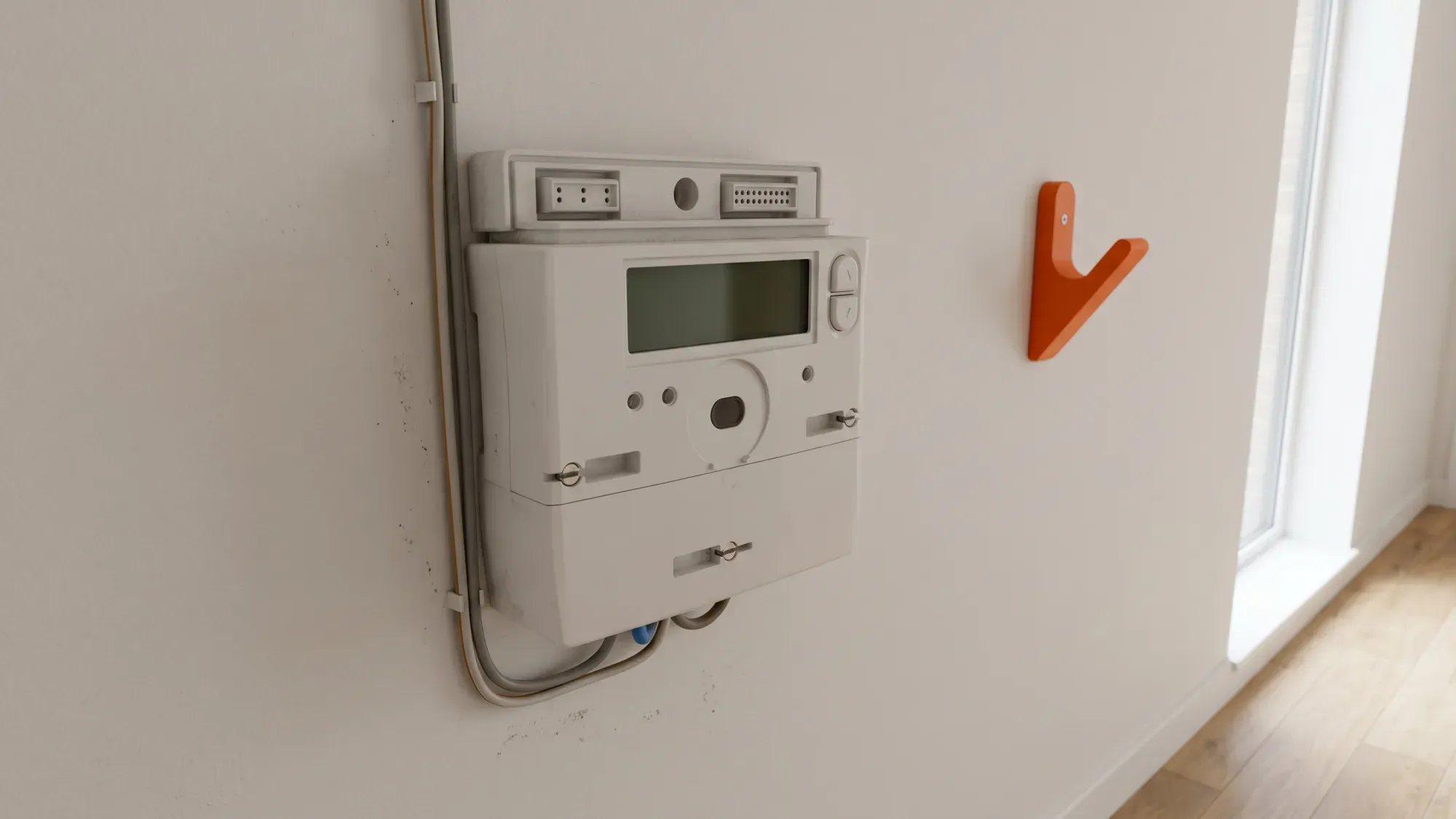
A smart meter can help you understand and manage your household energy, but deciding if you need one involves weighing up its benefits against any concerns. While energy suppliers in Great Britain offer free smart meter upgrades, you have the right to refuse installation. Smart meters are part of a national programme to modernise the energy grid, providing near real-time data that can lead to more accurate billing and consumption insights.
Smart meters are becoming increasingly common in UK homes, offering a modern approach to managing energy consumption. They are a key component in the national effort to upgrade Great Britain's energy infrastructure, designed to provide more accurate data and open doors to new ways of thinking about energy use.
Enter your address to get a quote and see how much you could save
What is a smart meter and how does it work?
A smart meter is a digital device that measures and records your energy consumption in near real-time, automatically sending this information to your energy supplier. This eliminates the need for manual meter readings and estimated bills, ensuring you only pay for the energy you use.
Defining smart meters (SMETS1 vs SMETS2)
There are two main generations of smart meters: SMETS1 and SMETS2. SMETS1 meters were the first generation, installed before the national smart meter network became fully operational. While many SMETS1 meters have since been upgraded remotely, they sometimes lost smart functionality if you switched energy suppliers.
SMETS2 meters are the more advanced, second-generation models, widely installed from 2018 onwards. They are designed to connect directly to the Data Communications Company (DCC) network, a secure national network that ensures your meter remains smart even if you change suppliers. This interoperability is a key advantage of SMETS2 meters.
How smart meters send your readings
Smart meters collect energy usage data and transmit it securely to your energy supplier via a dedicated, closed communication system, not your home Wi-Fi or the internet. This data is encrypted end-to-end and stored under GDPR and UK Data Protection laws, ensuring privacy and security.
The In-Home Display (IHD) explained
Most smart meters come with an In-Home Display (IHD). This small device shows your energy consumption in near real-time, often in pounds and pence, helping you track how much energy you are using and what it is costing you. The IHD receives data directly from your smart meter and does not record any personal information.
The benefits of having a smart meter
Smart meters offer several advantages that can help you manage your energy more effectively and contribute to a modernised energy system.
Accurate billing and ending estimates
One of the most immediate benefits of a smart meter is accurate billing. By sending automatic readings to your supplier, smart meters eliminate estimated bills, ensuring you only pay for the energy you have actually used. This can also help you with understanding your energy bill more clearly.
Tracking your energy usage in real-time
The In-Home Display provides near real-time information on your energy use, allowing you to see how much energy you are consuming and its cost. This visibility can empower you to make informed decisions about your energy habits and identify areas where you could reduce consumption.
Unlocking future-ready tariffs
Smart meters are often needed for advanced tariffs, such as time-of-use (ToU) rates. These tariffs offer different prices for energy at various times of the day, typically making electricity cheaper during off-peak hours (e.g., overnight or weekends) when demand is lower or renewable generation is higher. While some dual-rate tariffs can work with compatible manual meters, smart meters are generally required to accurately track consumption across different pricing periods for many of these flexible options, allowing you to save money by shifting usage.
What is a time-of-use tariff?
A time-of-use tariff charges different prices for electricity depending on the time of day or week. Energy is typically cheaper during off-peak hours, such as overnight or weekends, and more expensive during peak demand times. These tariffs typically leverage a smart meter to accurately track consumption across different pricing periods, allowing you to save money by shifting usage.
Environmental impact and grid modernisation
Smart meters play a role in the UK's goal of becoming carbon neutral. By providing real-time data, they help energy suppliers balance supply and demand more efficiently and integrate more renewable energy sources into the grid. This contributes to a greener energy system and can reduce reliance on fossil fuels.
Common concerns and misconceptions
Despite the benefits, some people have concerns about smart meters. Addressing these directly can help you make an informed decision.
Are smart meters compulsory?
No, smart meters are not compulsory. While energy suppliers are required to offer them to every household in England, Scotland, and Wales, you have the right to refuse installation. The government's aim is for all homes to have a smart meter by the end of 2030, but there is no legal obligation for individuals to accept one unless your existing meter is faulty or has reached the end of its certified life.
Privacy and data security
Concerns about data privacy are common, but smart meters are designed with security in mind. They collect only energy usage data (how much energy is used and when), not personal information like your name, address, or bank details. Smart meters do not have cameras or microphones and do not connect to your home Wi-Fi. The data is encrypted and transmitted over a secure, dedicated network. You also have control over how often your energy usage data is shared with your supplier (e.g., daily or half-hourly).
Accuracy concerns and what to do
While smart meters are generally accurate, issues can sometimes arise. If you suspect your smart meter is inaccurate, you should contact your energy supplier. They can perform remote checks and, if necessary, arrange for an engineer to test the meter. If the meter is found to be faulty, the test is free; otherwise, a charge may apply.
Potential installation issues
Installation of smart meters is typically straightforward, taking around 75 to 100 minutes for both gas and electricity meters. Your power will be off for a short period during the process. To ensure a smooth installation, make sure the area around your existing meters is clear and that someone over 18 is home for the appointment. Ofgem has introduced rules for automatic compensation if there are significant delays or issues with smart meter installation or operation.
Your right to refuse a smart meter
Understanding your rights regarding smart meters is important, especially if you are unsure about getting one.
Understanding your options
You can refuse a smart meter installation if your current meter is functioning correctly. Your energy supplier cannot force you to have one. If you refuse, you will continue to use your existing meter and be billed based on manual readings or estimates, as before.
What happens if you refuse?
If you refuse a smart meter, your energy supply will continue as normal with your traditional meter. You will not face penalties for refusing. However, you might miss out on benefits like accurate real-time usage data, automatic readings, and eligibility for many advanced time-of-use tariffs that leverage smart meter capabilities. If your existing meter is faulty or at the end of its life, your supplier may insist on replacing it, and as traditional meter stocks are low, this replacement is likely to be a smart meter. If a smart meter is installed but you decline its smart functionality, it may operate like a traditional meter, requiring manual readings.
When a smart meter might not be right for you
A smart meter might not be suitable if you prefer manual readings, are unable to easily access or understand the In-Home Display, or if you have specific concerns that outweigh the benefits for your household. However, it is worth noting that smart meters are designed to be user-friendly, and most concerns about privacy or health have been addressed by regulatory bodies and security measures.
Getting a smart meter: the process
If you decide a smart meter is right for you, the process is generally straightforward. Energy suppliers in Great Britain offer free smart meter upgrades to eligible customers.
Checking if you already have one
You can usually tell if you have a smart meter by checking the meter itself - it will often have a digital display and may have a logo for "Smart Energy GB" or "DCC". If you are unsure, contact your energy supplier; they can confirm your meter type.
Eligibility for a free upgrade
Most households in England, Scotland, and Wales are eligible for a free smart meter upgrade. Your energy supplier is responsible for arranging the smart meter installation.
What to expect during installation
Once you have booked an appointment with your supplier, a trained engineer will visit your home. They will replace your existing gas and/or electricity meters with new smart meters. The installation typically takes between 75 and 100 minutes, during which your power will be temporarily switched off. The engineer will also show you how to use your In-Home Display.
Making the most of your smart meter
A smart meter is a tool, and its effectiveness depends on how you use the information it provides.
Using your In-Home Display effectively
Regularly checking your IHD can help you understand your energy consumption patterns. You can see how different appliances affect your usage and identify times when you are using more energy than necessary. This visibility is a powerful first step towards making energy-saving changes.
Integrating with your energy supplier's app
Many energy suppliers, including Fuse, offer apps that integrate with your smart meter data. The Fuse app, for example, provides real-time usage tracking, budget management, and can help you understand your eligibility for advanced tariffs. This digital integration empowers you with greater control over your energy consumption. Fuse also offers 24/7 human customer support to address any smart meter issues, differentiating its offering.
Tips for reducing your energy consumption
By using the insights from your smart meter and IHD, you can implement strategies to reduce your energy use. This might include:
- Identifying and tackling "phantom load" from devices left on standby.
- Shifting high-energy activities, like running washing machines or dishwashers, to off-peak hours if you are on a time-of-use tariff.
- Making small changes to heating and lighting habits based on real-time cost feedback.
The average UK home uses around 2,500 kWh of electricity per year and 9,500 kWh of gas per year. Understanding your own usage against these benchmarks can highlight potential areas for savings and help you with energy saving tips.
Is a smart meter worth it for your home?
Deciding whether to get a smart meter ultimately comes down to your individual circumstances and priorities.
Weighing the pros and cons
The benefits of accurate billing, real-time usage insights, and access to many flexible tariffs are significant. Smart meters are also a crucial part of modernising the energy grid and integrating more renewable energy. On the other hand, while concerns about privacy and installation issues exist, they are largely addressed by robust security measures and consumer protections.
The future of energy management
Smart meters are more than just a replacement for traditional meters; they are the essential gateway to gaining control over energy consumption and unlocking future-ready benefits. They enable a shift from simply consuming energy to actively managing and optimising its use, aligning with a vision of abundant energy.
Making an informed decision
With the right information, you can decide if a smart meter aligns with your household's energy management goals. Fuse facilitates free SMETS2 smart meter upgrades for eligible customers, ensuring access to the latest technology and supporting a smarter, more controlled approach to energy.
Ready to take control of your energy? Switching to Fuse Energy is quick and easy, giving you access to smart meter insights, clear pricing, and 24/7 human support. Find out more about our mission to make energy abundant and affordable here, or click here to switch today.
Disclaimer
For the avoidance of doubt, this article is provided for informational purposes only and is not intended to constitute legal or financial advice. The author and/or Fuse Energy shall not be responsible for any losses arising out of any reliance on the information contained herein.