Do I have to have a smart meter?
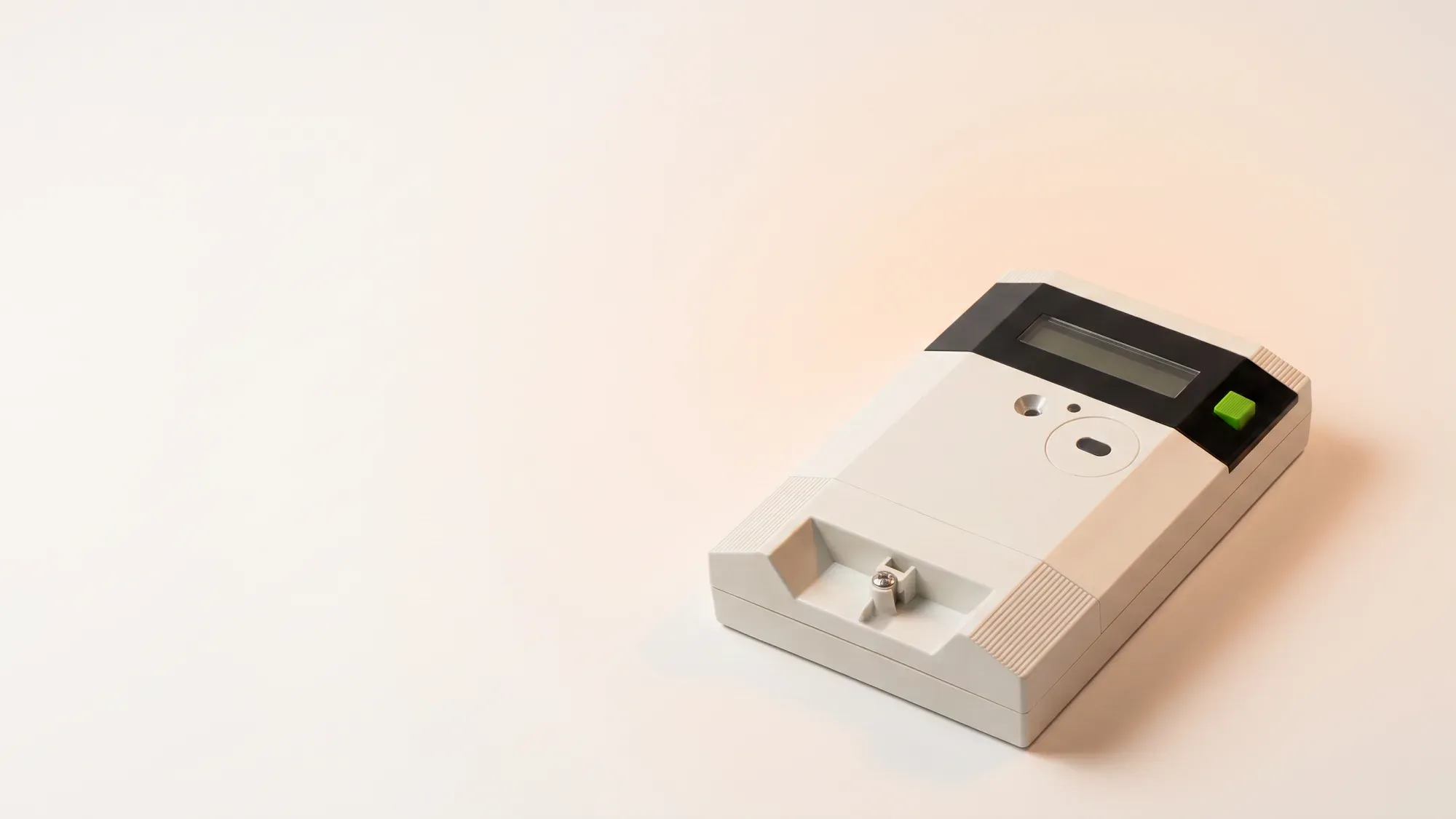
You are not legally required to have a smart meter installed in your home. While energy suppliers are actively rolling them out across Great Britain, the decision to accept one remains entirely yours. This guide clarifies your rights, outlines the benefits of smart meters, and explains what happens if you choose to refuse one.
Understanding your energy options, like whether to get a smart meter, is key to managing your home's energy. Fuse Energy offers clear pricing and smart tools to help you take control. Click here to switch to Fuse Energy today.
Enter your address to get a quote and see how much you could save
Are smart meters compulsory in the UK?
The simple answer is no; smart meters are not compulsory in the UK. You retain the right to refuse installation. This position has been consistently upheld despite ongoing discussions within the energy industry about the benefits of widespread adoption.
Your right to choose
Energy suppliers have an obligation to offer you a smart meter, but they cannot force you to have one installed. This consumer right is protected, ensuring you remain in control of decisions about your home's energy infrastructure. If you are contacted by your supplier about a smart meter installation, you can discuss your options or decline the offer without penalty.
Government targets vs consumer choice
The UK government's Smart Metering Programme aims to offer a smart meter to every home and small business in Great Britain. Suppliers are set targets to achieve this. However, these targets are for suppliers to offer and install, not for consumers to accept. The rollout is designed to modernise the energy grid, but it does not remove your right to choose.
What are the benefits of a smart meter?
Smart meters offer several advantages that can empower you to manage your energy more effectively and gain greater control over your energy use.
Accurate billing and usage insights
One of the primary benefits of a smart meter is that it can significantly reduce the likelihood of estimated bills. Smart meters automatically send accurate readings of your gas and electricity consumption directly to your supplier. This means you are more likely to pay for the energy you actually use, leading to more precise and reliable billing. Many smart meters also come with an in-home display, providing real-time insights into your energy usage in pounds and pence, helping you understand your energy consumption patterns.
Access to smart tariffs
Smart meters enable access to many innovative smart tariffs, including time-of-use tariffs. These tariffs offer different prices for electricity at different times of the day, typically providing cheaper rates during off-peak hours. This can be particularly beneficial if you have an electric vehicle or other appliances you can run overnight, allowing you to shift your energy usage to more affordable periods and potentially reduce your energy bill.
Understanding your energy consumption
With detailed data on your energy usage, a smart meter gives you a clearer picture of how and when you consume energy. This understanding can help you identify inefficiencies, build energy-saving habits, and make informed decisions about your energy use. It is about having more information and capability to manage your home's energy, rather than simply being told to use less.
What happens if you refuse a smart meter?
Choosing not to have a smart meter installed is your right, and it will not lead to immediate negative consequences like supply disconnection. However, there are some practical implications to consider.
No penalties, but potential missed opportunities
While there are no penalties for refusing a smart meter, you might miss out on the benefits they offer. This includes the ability to track your energy use in real-time and access certain smart tariffs that could help you manage costs more effectively.
Manual readings and estimated bills
If you refuse a smart meter, you will continue to have a traditional meter. This means you will still need to provide manual meter readings to your supplier, or your bills will be based on estimates. Estimated bills can sometimes be inaccurate, leading to overpayments or underpayments that need to be reconciled later.
Impact on future tariff options
Without a smart meter, your options for energy tariffs may be limited. Many of the most innovative and potentially cost-saving tariffs, particularly those with variable pricing based on the time of day, rely on a smart meter to function accurately. This is because these tariffs rely on the meter's ability to record and transmit usage data at specific intervals.
Special considerations: radio Teleswitch service (RTS) meters
If you have an older Radio Teleswitch Service (RTS) meter, your situation is different from those with standard traditional meters.
The phase-out of RTS technology
RTS meters are a legacy meter type that uses a longwave radio signal to switch between peak and off-peak electricity rates, often used for Economy 7 or Economy 10 tariffs, or to control electric heating and hot water systems. This technology is outdated and is being phased out, with the signal having begun to be switched off from 30 June 2025. This means that RTS meters will no longer function properly, which could impact your heating, hot water, or tariff timings.
Replacement with a smart meter
If you have an RTS meter, it must be replaced. Your current energy supplier is responsible for arranging this replacement, typically with a smart meter, at no extra cost to you. Ofgem is working with suppliers to ensure a smooth transition for affected customers. While the phase-out is managed, it is crucial to engage with your supplier to arrange an upgrade to avoid potential disruption to your energy supply or tariff functionality.
Making an informed decision about your smart meter
Deciding whether to accept a smart meter installation involves weighing the advantages against your personal preferences and circumstances.
Weighing the pros and cons
Consider the benefits of accurate billing, detailed usage insights, and access to smart tariffs that could help you manage your energy costs more effectively. If you have an RTS meter, replacement is necessary, and a smart meter is the standard upgrade.
Are smart meters mandatory if my old meter is faulty?
While smart meters are not compulsory, if your existing traditional meter is faulty or has reached the end of its life, your supplier will need to replace it. In most cases, this replacement will be with a smart meter, as traditional analogue meters are no longer widely produced or stocked by suppliers.
Communicating with your energy supplier
Whatever your decision, it is important to communicate clearly with your energy supplier. They can provide specific information about the smart meter rollout in your area and discuss any concerns you might have. If you decide to accept a smart meter, you can arrange a convenient installation appointment. If you choose to refuse, be aware of the potential impacts on tariff eligibility and the need for manual meter readings.
Ultimately, smart meters are tools designed to offer greater control and understanding of your energy consumption. By making an informed choice, you can decide how best to manage your home's energy future.
Managing your energy bills should be clear and easy to understand. Fuse Energy focuses on straightforward pricing, so you can see exactly what you are paying without unnecessary complexity. If you have a smart meter, you can view detailed usage data through the app or website, helping you understand how you can lower your bills. If you do not have a smart meter, Fuse Energy can upgrade your non-smart meter, completely for free. This can make it easier to track spending and make informed decisions about your energy use. Our 24/7 human support team is always on hand with fast response times whenever you need help. Click here to switch to Fuse Energy today. Find out about our mission by clicking here.
Disclaimer
For the avoidance of doubt, this article is provided for informational purposes only and is not intended to constitute legal or financial advice. The author and/or Fuse Energy shall not be responsible for any losses arising out of any reliance on the information contained herein.