Understanding who is responsible for your electricity supply infrastructure is crucial for every UK homeowner and resident. It helps avoid confusion and ensures you contact the right company for specific issues. This guide clarifies the role of Distribution Network Operators (DNOs) and how they differ from your energy supplier.
Understanding your DNO is key to managing your home's energy infrastructure. For clear, straightforward energy supply, Fuse Energy offers competitive tariffs and smart tools to help you take control. Click here to switch to Fuse Energy today.
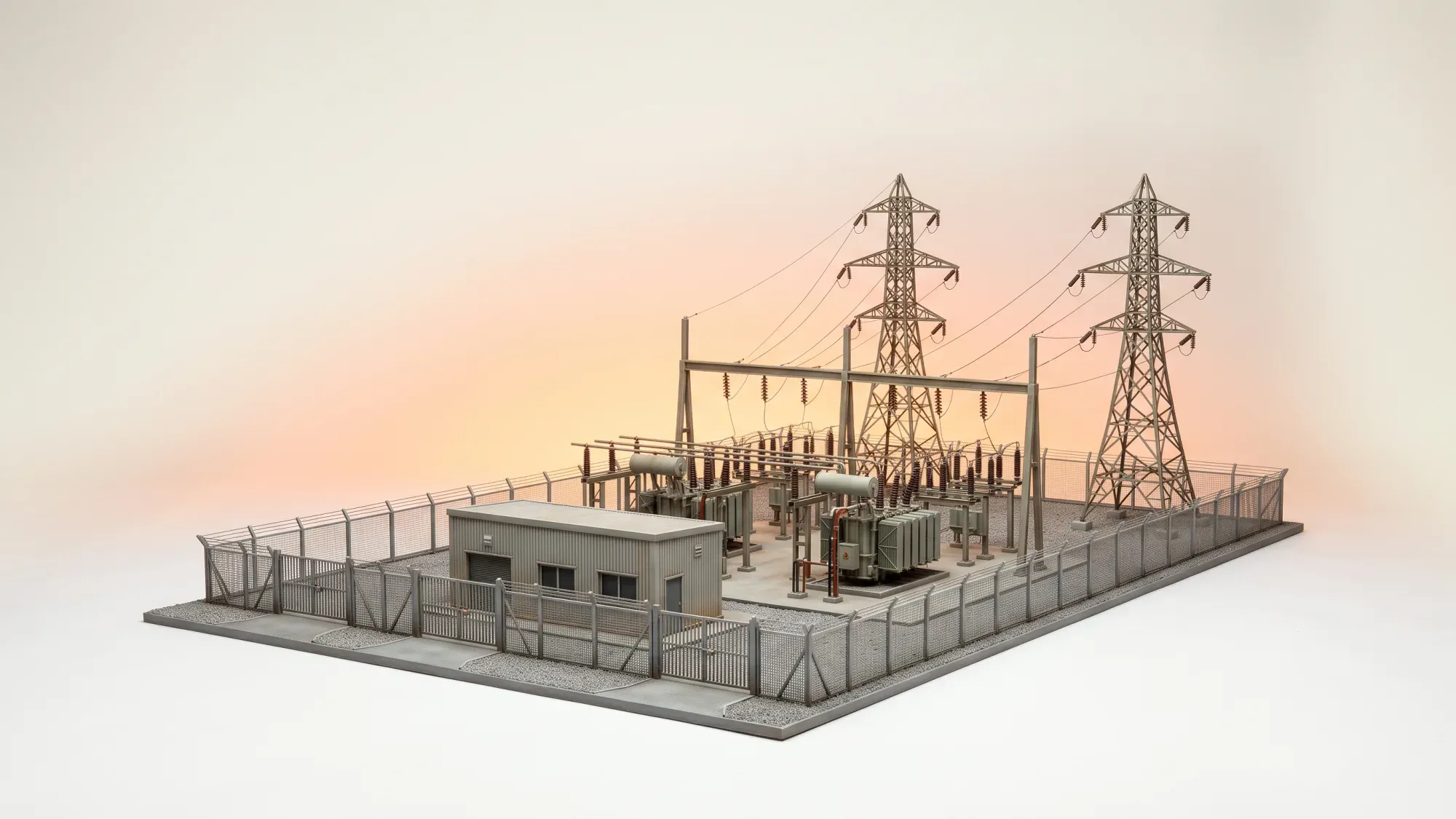
A Distribution Network Operator (DNO) is a company licensed by Ofgem to own and operate the local electricity network infrastructure in a specific UK region. This infrastructure includes the cables, poles, and substations that deliver power from the national transmission system to homes and businesses. DNOs are regulated by Ofgem, which sets the framework for how they operate and how much they can charge for using their networks.
Defining the DNO's role
DNOs are responsible for maintaining the physical network that brings electricity to your property. Their role is to keep the local network running, connect new customers, and ensure electricity is delivered safely and reliably. They are a critical, but often unseen, part of the energy system.
The UK's electricity network structure
The UK is divided into 14 distinct regions, each served by a specific DNO. These 14 areas are managed by six main DNO groups. DNOs operate under licences granted by the Secretary of State for Energy Security and Net Zero, with Ofgem providing regulatory oversight to ensure they provide a safe, reliable, and efficient electricity network.
Many people confuse their DNO with their energy supplier, but they perform very different functions. Understanding this distinction is key to knowing who to contact for various energy-related issues.
Who does what: infrastructure vs billing
Your DNO is responsible for the physical infrastructure that delivers electricity to your property. They maintain the wires, substations, and poles, and handle issues related to the network itself.
Your energy supplier, on the other hand, is the company you pay for the electricity you use. They manage your billing, tariffs, and customer accounts. You choose your energy supplier, but you cannot choose your DNO, as it is determined by your geographical location.
Why the distinction matters for homeowners
Knowing the difference is crucial for getting the right help. If you have a power cut, a network fault, or need to connect a new supply, your DNO is the company to contact. For billing enquiries, changing tariffs, or account management, you will need to speak to your energy supplier. Contacting the wrong company can lead to delays and frustration.
DNOs have several core responsibilities to ensure a functioning electricity network.
Maintaining the network
DNOs are tasked with the ongoing maintenance and upkeep of the local electricity distribution network. This includes inspecting cables, substations, and other equipment to prevent faults and ensure reliable supply.
Responding to power cuts and emergencies
If you experience a power cut that is not due to an issue within your home, your DNO is responsible for restoring your supply. They manage emergency responses to network faults, such as damaged cables or equipment failures.
Facilitating new connections and upgrades
DNOs handle requests for new electricity connections to properties, as well as upgrades or alterations to existing supplies. This includes connecting new homes or even large-scale renewable energy generators to the grid.
Identifying your specific DNO is straightforward, even if you have never had to contact them before.
Using the ENA postcode lookup tool
The quickest way to find your DNO is by using the Energy Networks Association (ENA) postcode lookup tool. Simply enter your postcode, and the tool will tell you which DNO covers your area. You can also call 105, the free power cut emergency number, from any landline or mobile in England, Scotland, or Wales, and you will be connected directly to your local DNO.
Identifying your DNO from your bill
Your electricity bill often contains a 'Distributor ID' number, which can help you identify your network operator. This ID is part of your Meter Point Administration Number (MPAN), a unique identifier for your electricity supply.
Knowing when to reach out to your DNO can save you time and ensure your issue is resolved efficiently.
Power cuts and supply issues
The most common reason to contact your DNO is for a power cut or any other issue affecting the electricity supply to your property that is not related to your internal wiring. This includes flickering lights, partial outages, or concerns about the safety of outdoor electrical equipment.
New connections or disconnections
If you are building a new property and need an electricity supply connected, or if you need to disconnect an existing supply, your DNO is the point of contact.
Network alterations and upgrades
Any work that affects the main electricity network infrastructure, such as moving the point where your supply connects to the grid, requires DNO involvement.
While DNOs cover large geographical regions, you might also encounter Independent DNOs (IDNOs).
What is an IDNO?
IDNOs are companies, also licensed by Ofgem, that own and operate smaller, localised electricity networks. These networks are typically built to serve new housing developments, industrial estates, or commercial parks, and then connect back into the main DNO network.
When you might have an IDNO
You are most likely to be supplied by an IDNO if your property is part of a new development. IDNOs were introduced to foster competition in the market, offering developers more choice for connecting new sites. While they operate smaller networks, IDNOs are regulated by Ofgem and must adhere to similar standards as DNOs.
Certain property modifications require direct coordination with your DNO, ensuring safety and compliance with network regulations.
Meter relocations and DNO involvement
If you need to move your electricity meter to a new position within your property, particularly for non-standard relocations (e.g., more than 2 metres from the Fuse cutout or moving to the other side of a wall), your DNO will need to be involved. Fuse Energy can facilitate standard meter relocations, but non-standard ones require the DNO to move the supply point on the same day as the Fuse engineer attends.
Upgrading your supply for EV chargers or heat pumps
Installing high-capacity electrical appliances like EV chargers or heat pumps often requires upgrading your property's electricity supply. This can involve the DNO upgrading your Fuse cutout to handle the increased demand. You may also need to coordinate with your DNO if you are installing plug-in solar panels, as they need to be notified under G98 within 28 days of installation, either by you or your supplier. Larger solar systems may require a G99 application and approval before installation.