Commercial meter installation explained
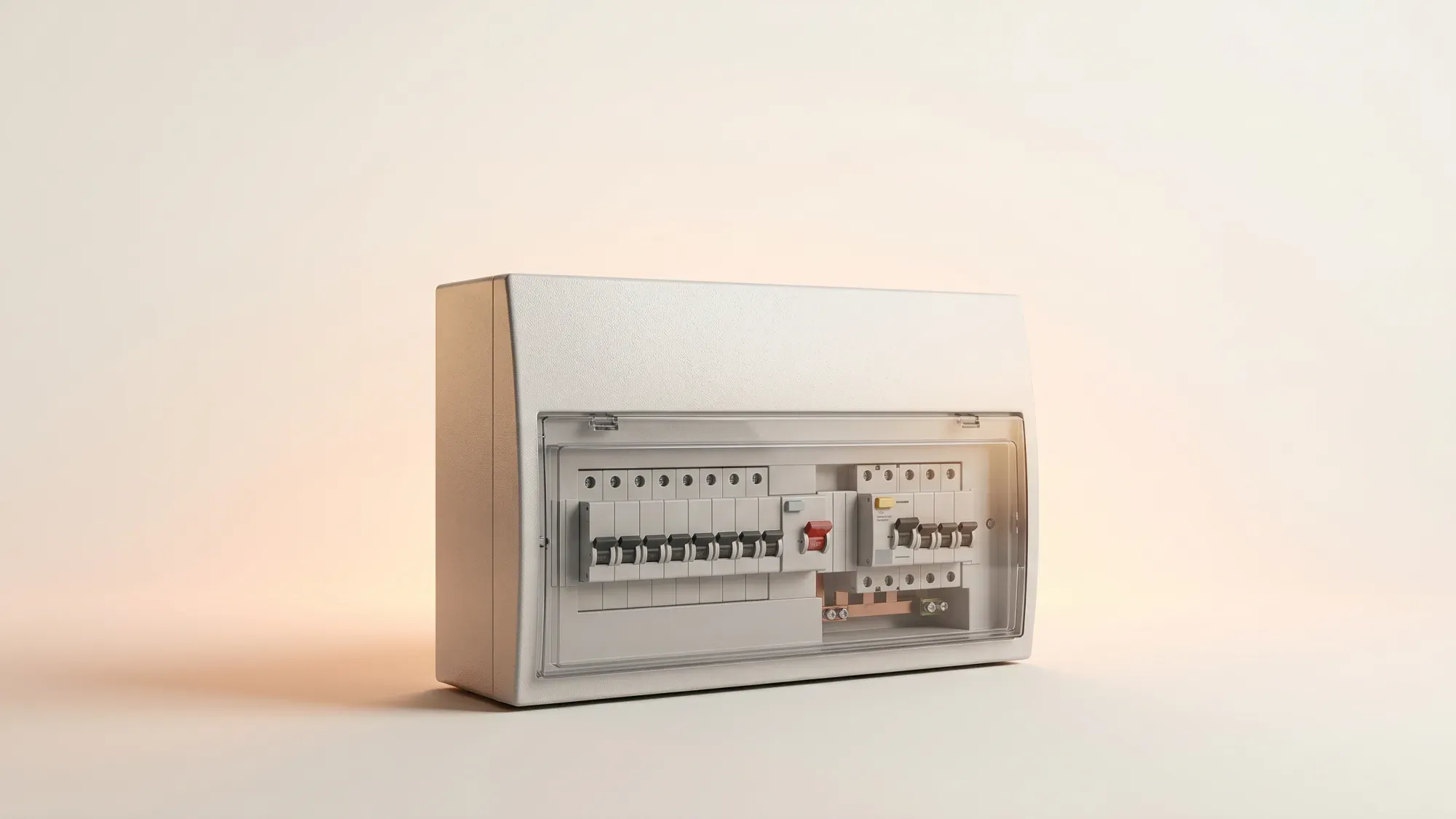
Navigating commercial energy meter installation in the UK can feel complex for business owners and facility managers. Unlike residential setups, commercial installations involve a more intricate web of regulations, technical specifications, and coordination between various industry players. Understanding this process is crucial to ensuring your premises are legally and efficiently supplied with the energy they need. This guide aims to demystify commercial meter installation, providing a step-by-step overview of what to expect, from meter types and regulatory compliance to costs and future-proofing your energy infrastructure.
Fuse Energy is committed to clarity and expertise in the energy sector. While we currently serve residential customers only, we believe in empowering all energy users with comprehensive information. Businesses interested in future commercial offerings are invited to join our waitlist.
While this guide focuses on commercial meter installation, understanding your energy setup is key for any property. For residential customers looking for clear pricing and smart energy management, Fuse Energy offers a modern approach. Click here to see how Fuse can simplify your home energy.
Enter your address to get a quote and see how much you could save
What is a commercial energy meter?
A commercial energy meter is more than just a device that measures consumption; it is a vital component of a business's infrastructure, designed to handle higher energy demands and provide detailed usage data. These meters are specifically engineered for non-domestic properties, ranging from small shops to large industrial facilities, and must comply with stringent UK regulations.
Types of commercial meters
Commercial meters come in various forms, each suited to different business needs and energy profiles. The choice depends on factors like the volume of energy consumed, the type of supply (electricity or gas), and the level of data granularity required.
Single-phase vs three-phase meters
For electricity, the primary distinction is between single-phase and three-phase meters. Single-phase meters are typically found in smaller commercial properties with lower power requirements, similar to residential setups. However, three-phase electricity meters are generally needed for businesses with high power demands, such as those operating heavy machinery or large commercial premises. These meters provide a more stable and powerful supply, essential for industrial equipment and extensive lighting systems.
Commercial gas meters
Commercial gas meters measure the volume of natural gas consumed by a business. Like their electricity counterparts, these meters are designed to accommodate higher flow rates than residential meters and come in various sizes to match the business's gas consumption profile. Installation of a commercial gas meter requires specialist expertise due to safety regulations and technical specifications.
Smart meters for businesses
Smart meters offer businesses enhanced control and insight into their energy consumption. They automatically send meter readings to your supplier, eliminating the need for manual submissions and providing accurate billing. For businesses, smart meters can offer detailed half-hourly data, enabling better energy management, identification of inefficiencies, and potential cost savings through optimised usage. The UK government is committed to ensuring all consumers, including businesses, can benefit from smart meters.
Why might your business need a new meter?
Several scenarios can necessitate the installation of a new commercial energy meter or an upgrade to an existing one. Understanding these triggers helps businesses plan ahead and ensure a smooth transition.
New premises or connections
If your business is moving into a newly built property or requires a completely new energy connection to the National Grid, a new meter installation will be necessary. This often involves coordinating with the Distribution Network Operator (DNO) to establish the physical connection before the meter itself can be fitted.
Upgrading existing supply
Businesses might need to upgrade their existing meter if their energy demands increase significantly, for example, due to expansion, the installation of new, more powerful machinery, or a change in operational processes. An upgrade ensures the meter can accurately measure the higher consumption and that the supply infrastructure can safely handle the increased load.
Changing business operations
A change in business operations, such as converting a property from residential to commercial use, or altering the primary function of a commercial space, can also trigger the need for a new meter. Different business types have varying energy profiles and regulatory requirements, necessitating a meter that aligns with the new operational context.
Smart meter upgrades
Many businesses are opting for smart meter upgrades to benefit from improved data accuracy, remote readings, and better energy management tools. Even if your current meter is functional, a smart meter can provide valuable insights to help reduce energy waste and costs. Energy suppliers have obligations to install smart meters in non-domestic sites.
The commercial meter installation process
Installing a commercial energy meter is a multi-step process that requires careful planning and coordination among several parties.
Initial assessment and planning
The first step involves a thorough assessment of your business's current and future energy requirements and existing meter setup. This includes evaluating your power demands, the type of equipment you use, and any potential for growth. Qualified meter installers or energy brokers can help you discuss available options and obtain quotes for the work.
Engaging service providers
You will need to engage with various service providers. This typically includes a Meter Operator (MOP) for the physical meter installation and maintenance, and potentially a Meter Asset Manager (MAM) for data collection. For new connections or significant upgrades, coordination with the DNO is crucial for any necessary grid connection works.
Site preparation and safety
Before installation, your commercial premises must meet specific technical and safety requirements. This might involve preparing the meter cupboard, ensuring adequate ventilation, or upgrading electrical infrastructure. Adhering to these standards is vital for safety and regulatory compliance.
Installation and commissioning
The physical installation of the new energy meter is carried out by certified technicians. Once installed, the meter undergoes commissioning, a process that verifies it is functioning correctly and communicating accurately with the relevant systems. This step ensures the meter is ready to begin recording your energy consumption.
Key players in commercial meter installation
The commercial meter installation landscape involves several distinct parties, each with specific roles and responsibilities. Understanding who does what is key to navigating the process efficiently.
Distribution network operator (DNO)
A DNO is a licensed company responsible for owning and operating the local electricity distribution network, delivering power to homes and businesses across Great Britain. They maintain the cables, transformers, and safety fuses that make up the local grid. For new connections, upgrades to your supply capacity, or alterations to the network infrastructure, you will need to engage with your regional DNO.
Meter Operator (MOP)
A Meter Operator (MOP) is the UK industry party responsible for the physical installation, maintenance, and replacement of electricity meters. MOPs ensure meters are installed correctly, safely, and in line with industry standards. For half-hourly metered sites, a MOP contract is legally required.
Meter Asset manager (MAM)
A MAM is a licensed organisation responsible for the installation, maintenance, removal, and management of gas meters. MAMs ensure these metering assets comply with regulatory standards and function efficiently throughout their lifecycle. In many cases, MOP and MAM services are provided by the same company or bundled together.
Energy supplier
Your energy supplier is the company that sells you electricity and gas. While they don't typically install the meter themselves, they play a crucial role in arranging the MOP and MAM contracts and setting up your energy supply once the meter is installed and commissioned. You will finalise your energy supply arrangements with your chosen supplier for the new meter.
Costs and timescales for commercial meter installation
The cost and duration of commercial meter installation can vary significantly depending on the complexity of the project.
Factors influencing costs
Commercial meter installation costs can range from a few hundred to several thousand pounds, depending on the complexity of the installation and site-specific requirements. Factors influencing the cost include:
- Type of meter: Three-phase meters and advanced smart meters can be more expensive than basic single-phase meters.
- Location and accessibility: Difficult-to-access sites or those requiring extensive groundwork will incur higher costs.
- Supply capacity upgrades: If your business needs a significant increase in power, the DNO may charge for network reinforcement, adding substantially to the overall cost.
- Site preparation: Any necessary electrical work, civil engineering, or safety upgrades on your premises will add to the expense.
Typical timescales
The timescale for commercial meter installation can range from a few weeks to several months. Simple meter exchanges might be quick, but new connections or complex upgrades involving DNO works can take considerably longer due to planning, approvals, and scheduling. Underestimating the lead time required for commercial meter installation is a common pitfall.
Obtaining quotes
It is advisable to obtain multiple quotes from qualified meter installers or energy brokers. Ensure these quotes clearly outline all services included, such as DNO liaison, MOP services, and any necessary site preparation.
Choosing the right commercial meter provider
Selecting the right provider for your commercial meter installation is a critical decision that impacts both the efficiency of the process and your long-term energy management.
What to look for in a provider
When choosing a provider, look for companies with a strong track record in commercial installations, relevant accreditations, and transparent pricing. They should offer clear communication, a dedicated project manager, and expertise in navigating the complex regulatory landscape. Their ability to coordinate effectively with DNOs, MOPs, and MAMs is also essential.
Understanding contracts and service level agreements
Carefully review all contracts and service level agreements (SLAs). Pay attention to the scope of work, timelines, responsibilities of each party, and any guarantees or warranties provided. Ensure you understand the terms of your MOP and MAM contracts, as these will govern the ongoing operation and data collection from your meter.
Future-proofing your energy infrastructure
Consider how the meter installation can contribute to future-proofing your energy infrastructure. Opting for smart meters or ensuring your system can accommodate future technologies, such as electric vehicle charging or on-site renewable generation, can provide long-term benefits and flexibility. This forward-thinking approach helps your business adapt to evolving energy demands and regulatory changes.
While this guide has focused on the complexities of commercial meter installation, managing energy efficiently is important for every property. Fuse Energy is dedicated to providing a clear, modern energy experience for residential customers, with straightforward pricing, in-app usage data, and 24/7 human support. If you're a homeowner looking for a smarter way to manage your energy, click here to switch to Fuse Energy today. For businesses interested in our future commercial offerings, you can join our waitlist to be notified when we expand our services.
Disclaimer
For the avoidance of doubt, this article is provided for informational purposes only and is not intended to constitute legal or financial advice. The author and/or Fuse Energy shall not be responsible for any losses arising out of any reliance on the information contained herein.