Cheapest way to heat a room
Heating individual rooms efficiently is crucial for managing energy bills. Understanding the most affordable and effective methods for specific spaces can significantly impact your household budget. This article provides comparisons and practical advice to help you heat your home comfortably without high energy bills.
Fuse empowers customers with smart energy choices and insights, enabling them to heat effectively and affordably. Click here to get started.
Enter your address to get a quote and see how much you could save
Understanding your heating needs and current costs
Heating an entire home when only one room is in use is a common pitfall that leads to wasted energy and higher bills. Focusing on heating individual rooms can drastically cut down on unnecessary expenditure. The actual cost of heating depends on several factors: the appliance's efficiency, the room's insulation, and the prevailing electricity or gas unit rates.
Why focus on individual room heating?
Many UK homes lack central heating or require supplementary heating for specific zones, such as a home office or a rarely used guest bedroom. Instead of warming empty spaces, targeted heating ensures comfort where and when it's needed most. This approach is particularly relevant given that the average UK home uses around 2,500 kWh of electricity per year, a figure set by Ofgem's medium typical domestic consumption value (TDCV) effective from 1 July 2026. This consumption can quickly escalate with inefficient heating practices.
Calculating your current heating expenses
To effectively manage heating costs, you need to know what you are currently spending. The average UK electricity unit rate under the Ofgem Price Cap (1 July to 30 September 2026) is 26.11p per kWh for Direct Debit customers. To calculate its running cost, multiply the appliance's wattage (in kilowatts) by the hours it is used. For example, a 1kW heater running for one hour consumes 1 kWh of electricity. Understanding the components of your energy bill can help you track these expenses.
The impact of heat loss: insulation and draught-proofing
Before investing in any heating solution, addressing heat loss is crucial. Ignoring insulation and draught-proofing leads to significant heat loss, making any heating method less effective and more expensive.
Identifying common heat loss areas
Heat escapes through various parts of your home, including walls, the roof, floors, and windows. Draughts are also a common culprit, often found around windows and doors, unused chimneys, letterboxes, keyholes, and unsealed pipe penetrations.
Simple and effective draught-proofing solutions
Effective draught-proofing is one of the most cost-effective energy improvements you can make. Simple DIY solutions like self-adhesive foam strips for windows and doors, or chimney balloons for unused flues, can help reduce heat loss.
The role of insulation in retaining heat
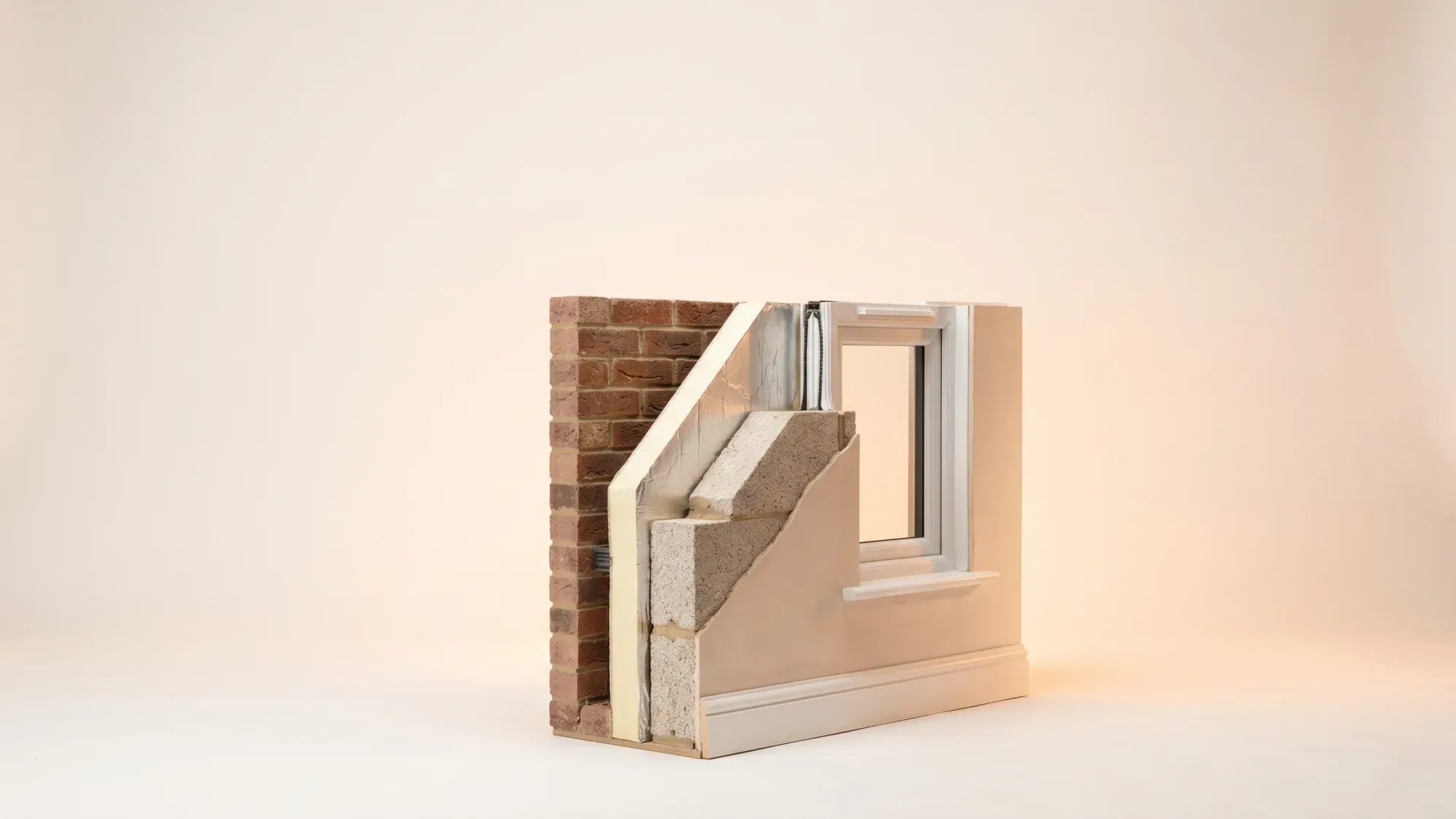
Insulation acts as a barrier to heat flow, keeping warmth inside during winter and outside during summer. Improving wall and loft insulation significantly reduces the energy required to maintain comfortable temperatures. An Energy Performance Certificate (EPC) can help identify the most effective measures for your property, as homes with better energy efficiency ratings generally have lower heating costs.
Comparing heating methods: efficiency and running costs
When choosing a heating method for a single room, efficiency and running costs are paramount. Electric heaters vary widely in their operation and suitability.
Electric heaters: fan, convection, and oil-filled
Electric heaters are 100% efficient at the point of use, meaning all the electricity they consume is converted into heat. However, the cost to run them depends on their wattage and how long they are used. Based on the 26.11p/kWh electricity rate:
- Fan heaters: Typically 1000W to 2000W, costing 26.11p to 52.22p per hour. They heat up quickly but cool down fast once switched off.
- Convection heaters: Often around 2000W, costing about 52.22p per hour. They heat the air, creating a convection current that warms the room evenly but can be slower to feel.
- Oil-filled radiators: Range from 400W to 2500W. A 1500W model costs around 39.17p per hour. They take longer to heat up but retain heat well, cycling on and off to maintain temperature, which can make them economical for longer-term use.
What is the cheapest electric heater to run in the UK?
Halogen heaters are often considered among the cheapest electric heaters to run, offering targeted, instant heat. Their running costs are generally low, making them a cost-effective option for direct warmth.
Infrared heating: how it works and its efficiency
Infrared heaters work differently from convection heaters. Instead of warming the air, they emit radiant heat that directly warms objects and people in the room, similar to the sun's warmth. This can make a room feel warmer at lower ambient temperatures, potentially leading to energy savings.
Infrared panels typically range from 300W to 900W for domestic use. A 600W infrared panel running for one hour consumes 0.6 kWh, costing around 15.67p at the current rate of 26.11p/kWh. While they use similar amounts of electricity as other panel heaters, their direct heating method means less heat is lost through draughts, making them potentially more efficient in poorly insulated spaces.
Mini heat pumps and other alternatives
Mini heat pumps, while a larger investment, offer highly efficient heating by extracting heat from the air outside. They use significantly less electricity than direct electric heaters to produce the same amount of heat. However, their suitability for single-room heating depends on the specific setup and cost. For homes without central heating, other options like tube heaters (60W-300W) can provide low-level background heat for minimal cost.
Is it cheaper to heat one room or the whole house?
It is generally cheaper to heat one room than the entire house, especially if you are only using that single room for an extended period. Running central heating for a whole property when only one or two rooms are occupied is inefficient. By using a targeted electric heater, such as an oil-filled radiator with a thermostat, you can maintain comfort in your immediate living space without the expense of heating unused areas.
Smart strategies for affordable room heating
Smart energy management is crucial for optimising heating costs.
Zone heating and smart thermostats
Zone heating involves heating specific areas of your home independently. Smart thermostats can control individual electric heaters, allowing you to set different temperatures and schedules for different rooms. This prevents overheating and ensures energy is only used where needed.
Optimising usage with timers and schedules
Using timers and schedules with your electric heaters ensures they only operate when you are present and require warmth. Many modern electric heaters come with built-in thermostats and timers, allowing for precise control and preventing continuous, unnecessary running. For more general energy-saving tips, consider other adjustments around your home.
Tailoring solutions for small vs large rooms
The wattage of your heater should match the room size. For small rooms like a bedroom or home office, a 1000W-1500W oil-filled radiator or a low-wattage infrared panel (350W-600W) might suffice. Larger living rooms or open-plan spaces may require 2000W-2500W models, or multiple smaller units for even heat distribution.
Leveraging smart energy management for savings
Understanding and controlling your energy consumption in real-time is a powerful tool for reducing heating bills.
Real-time insights from smart meters
Smart meters provide real-time data on your energy usage, allowing you to see how much electricity your heating appliances are consuming. This immediate feedback helps you identify energy-intensive habits and make informed decisions to reduce consumption. If you don't have one, consider a smart meter installation to gain these benefits.
How Fuse helps you understand your energy use
Fuse's app and smart meter insights enable users to monitor and optimise their heating consumption in real-time. By providing transparent data, Fuse helps you understand how your choices impact your energy bill, empowering you to make smarter energy decisions. This approach focuses on enabling effective and affordable heating, demonstrating that comfort and cost-efficiency can coexist.
The potential of plug-in solar for offsetting electric heating
Future-focused solutions like plug-in solar can help offset electric heating costs. Plug-in solar panels are small, portable systems that plug into a standard wall socket, allowing for self-consumption of generated electricity. SI 2026/848 has applied to compliant plug-in solar since 27 August 2026, permitting one unit per property with an 800W AC export limit. This means you can generate some of your own electricity, reducing the amount you draw from the grid to power your electric heaters. While plug-in batteries are not covered by this legislation, self-consumption during daylight hours can still lead to notable savings. The consumer or their supplier must notify the Distribution Network Operator (DNO) under G98 within 28 days of installation.
Making an informed decision for your home
Choosing the cheapest way to heat a room involves a combination of understanding your needs, optimising your home's heat retention, and selecting the right heating method for your circumstances.
Prioritising comfort and cost-effectiveness
The goal is to find a balance where you are comfortable without excessive costs. This often means using targeted heating, leveraging smart controls, and ensuring your home is well-insulated. Do not rely solely on inefficient portable electric heaters without considering alternatives and improving your home's fabric.
Long-term savings and future-proofing your heating
Investing in better insulation, draught-proofing, and smart heating controls can lead to significant long-term savings. Exploring options like plug-in solar also offers a way to future-proof your heating against rising energy costs, aligning with a vision for more abundant and affordable energy. By taking these steps, you can heat your home effectively and affordably, ensuring comfort without the fear of high bills.
Managing your energy bills should be clear and easy to understand. Fuse Energy focuses on straightforward pricing, so you can see exactly what you are paying without unnecessary complexity. If you have a smart meter, you can view detailed usage data through the app or website, helping you understand how you can lower your bills. If you do not have a smart meter, Fuse Energy can upgrade your non-smart meter, completely for free. This can make it easier to track spending and make informed decisions about your energy use. Our 24/7 human support team is always on hand with fast response times whenever you need help. Click here to switch to Fuse Energy today. Find out about our mission by clicking here.
Disclaimer
For the avoidance of doubt, this article is provided for informational purposes only and is not intended to constitute legal or financial advice. The author and/or Fuse Energy shall not be responsible for any losses arising out of any reliance on the information contained herein.