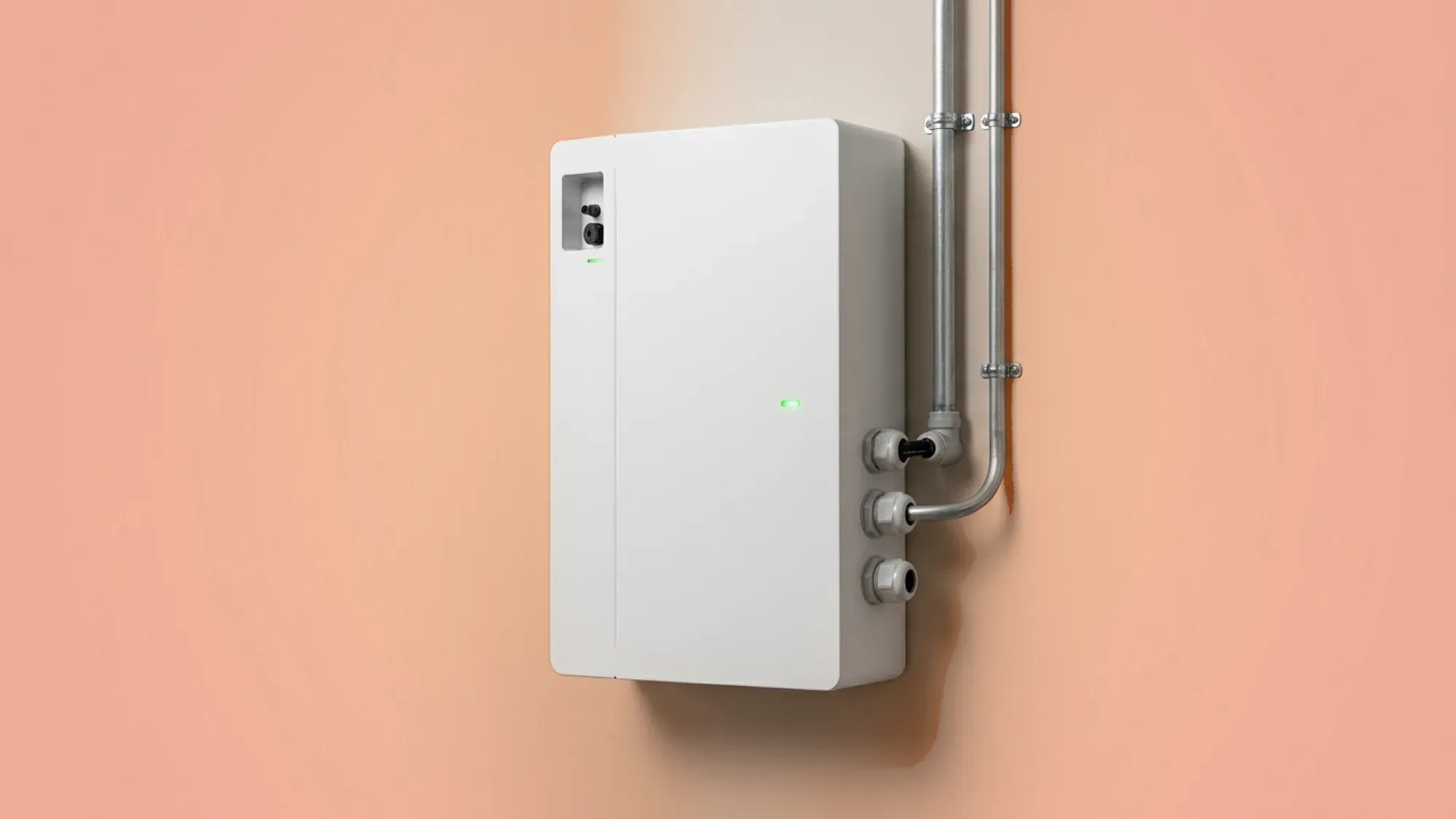
Charge anytime: flexible EV and home battery charging
The desire to charge electric vehicles (EVs) and home batteries flexibly and cost-effectively is a key consideration for many UK homeowners. Finding and utilising charging solutions that offer both flexibility and cost efficiency can be challenging amidst complex tariffs and fluctuating energy prices. This guide explores how smart energy management can help you optimise your EV and home battery charging for both cost savings and convenience.
Understanding flexible EV and home battery charging
What is smart charging?
Smart charging intelligently manages the flow of energy to and from your electric vehicle or home battery. It uses data from your smart meter and energy tariff to automatically schedule charging during periods when electricity is cheapest and often cleanest. This approach differs from traditional charging, which typically begins immediately upon plugging in, regardless of current electricity rates or grid demand.
Why flexible charging matters for UK homeowners
Flexible charging allows UK homeowners to capitalise on off-peak electricity rates, which are significantly lower than peak rates, directly reducing the cost of powering your EV or home battery. Beyond financial savings, flexible charging helps support a more stable and sustainable National Grid by shifting demand away from peak times, reducing the reliance on fossil fuel generators during periods of high consumption. This contributes to a greener energy system overall.
Key components of flexible charging
Smart meters and time-of-use tariffs
Smart meters are often a prerequisite for accessing time-of-use (ToU) or EV-specific energy tariffs, which are crucial for flexible charging. These meters send half-hourly readings to your energy supplier, enabling tariffs that vary the cost of electricity based on the time of day. This allows you to pay less for electricity when demand is low, typically overnight. While static ToU tariffs, like Economy 7, offer fixed cheaper rates at certain times, dynamic tariffs can adjust prices hourly based on real-time market conditions.
Compatible EV chargers and home batteries
To fully benefit from flexible charging, you need compatible hardware. This includes smart EV chargers that can communicate with your energy management system and home batteries capable of storing electricity. These devices enable you to charge your EV or battery when electricity is cheap and discharge it when rates are higher or demand on the grid is significant.
Energy management apps
Energy management apps provide the control centre for your flexible charging strategy. These digital platforms allow you to monitor your energy consumption, view tariff rates, and schedule charging sessions remotely. Fuse, for instance, offers a digital-first approach and app control for managing home energy, including EV and home battery charging.
Benefits of optimising your charging
Significant cost savings
The most immediate benefit of flexible charging is the potential for significant cost savings. By scheduling charging during off-peak hours, when electricity unit rates are lower, you can drastically reduce your energy bills. For example, under the Ofgem Price Cap for 1 July to 30 September 2026, the average electricity unit rate for Direct Debit customers is 26.11p per kWh. Charging during cheaper periods offered by time-of-use tariffs can significantly undercut this rate.
What is the average UK household electricity usage?
The average UK home uses around 2,500 kWh of electricity per year, which equates to roughly 6.8 kWh per day. This figure, set by Ofgem1, is a medium typical domestic consumption value used to help compare energy prices and understand household usage patterns.
Supporting the National Grid
Flexible charging plays a vital role in supporting the stability of the National Grid. By shifting demand for EV and home battery charging to off-peak times, you help balance the grid's load, reducing strain during peak consumption periods. This not only makes the energy system more efficient but also helps integrate more renewable energy sources, as surplus generation from wind and solar can be absorbed during off-peak times.
Increased energy independence
Integrating home batteries with smart charging strategies can lead to increased energy independence. Homeowners can store electricity generated from their own solar panels or purchase cheap off-peak electricity from the grid, then use this stored energy during peak times or power outages. This reduces reliance on grid electricity at its most expensive and carbon-intensive, moving towards greater self-sufficiency. The Smart Export Guarantee (SEG) mandates payments for exported renewable energy, but specific eligibility criteria apply, often requiring MCS certification and a smart meter capable of half-hourly readings. Plug-in solar systems, for example, do not qualify for SEG, though suppliers may offer their own export tariffs outside the scheme.
How to get started with flexible charging
Assessing your needs and eligibility
Begin by evaluating your current EV and home battery charging needs and daily energy consumption patterns. Consider when you typically use the most electricity and when your EV or battery is available to charge. Check your eligibility for specific tariffs, which often include requirements for a smart meter and vehicle compatibility.
Choosing the right tariff and equipment
Research available smart charging tariffs and solutions from various providers in the UK. Look for tariffs designed for EV and home battery users that offer clear off-peak rates. Ensure your EV charger and home battery system are compatible with your chosen tariff and can be controlled via an energy management app.
Monitoring and adjusting your strategy
Once set up, regularly monitor and adjust your charging schedule to align with the cheapest and greenest electricity periods. Most energy management apps provide insights into your consumption and savings, allowing you to fine-tune your strategy over time. Fuse empowers homeowners with control over their energy, enabling them to optimise EV and home battery charging for cost and convenience through its digital platform and 24/7 human customer support.
Common questions about flexible charging
What if I need to charge urgently?
Most flexible charging solutions allow for manual override, meaning you can initiate immediate charging if you need your EV or home battery powered up urgently. While this might mean charging at peak rates, the flexibility ensures you are never left without power when you need it most.
How do home batteries integrate with flexible charging?
Home batteries are a crucial component of a comprehensive flexible charging strategy. They can store excess solar generation or cheap off-peak grid electricity, then discharge it to power your home or EV during peak times, maximising savings and reducing reliance on the grid. This allows homeowners to effectively charge anytime the grid offers favourable rates or when their own renewable sources are generating.
For the avoidance of doubt, this article is provided for informational purposes only and is not intended to constitute legal or financial advice. The author and/or Fuse Energy shall not be responsible for any losses arising out of any reliance on the information contained herein.
Charge anytime: flexible EV and home battery charging