Central heating cover explained
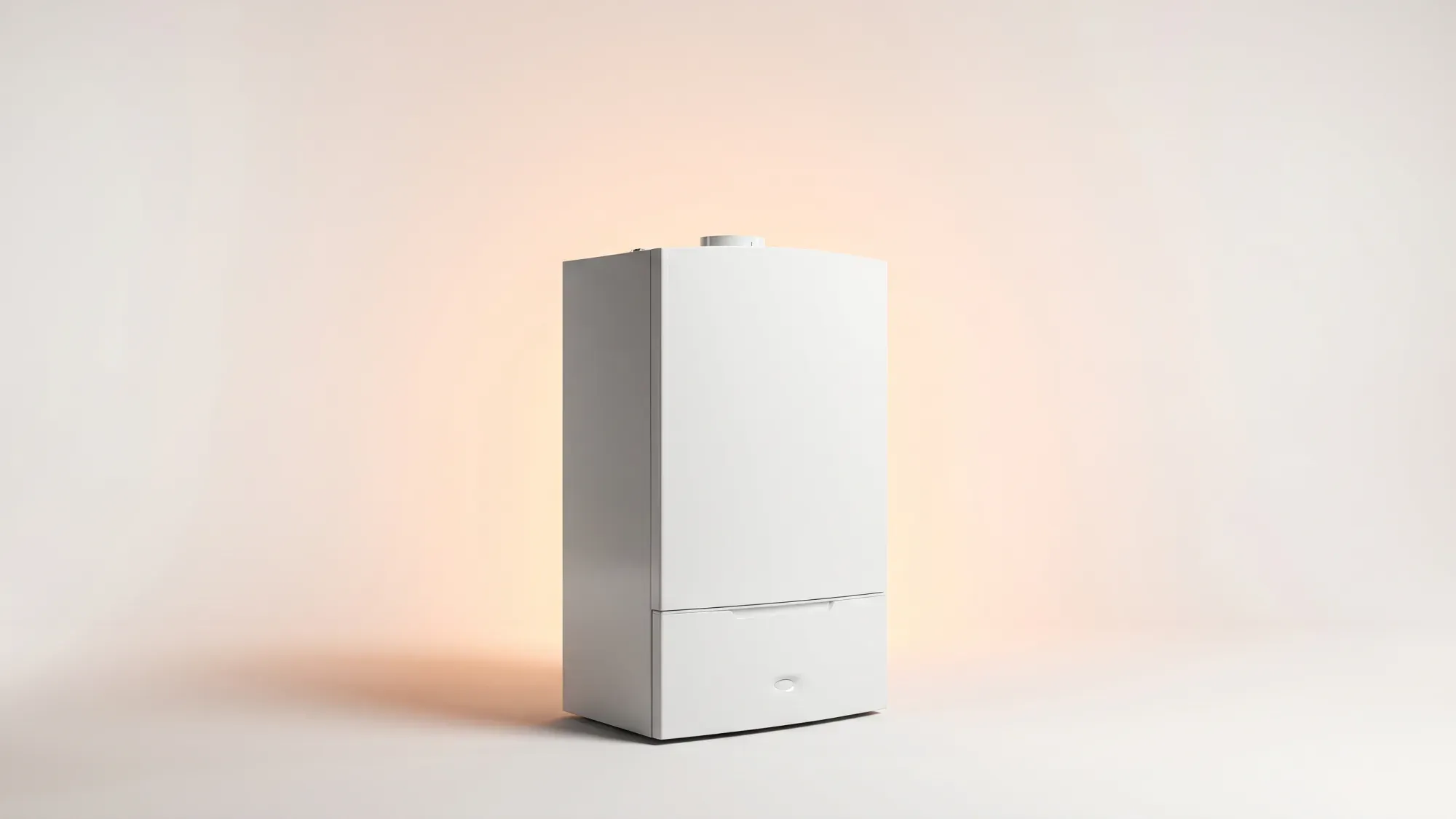
Central heating systems are essential for comfort in UK homes, but their complexity means unexpected breakdowns can occur. These failures often lead to substantial repair costs, potentially running into hundreds or thousands of pounds. Central heating cover policies aim to mitigate these financial risks, offering protection against repair expenses and providing peace of mind. Policies vary significantly, from basic boiler protection to comprehensive cover for the entire heating system and wider home emergencies.
Managing your home's energy needs effectively is key to comfort and efficiency. While we don't offer central heating cover, Fuse Energy provides clear pricing, real-time usage data, and 24/7 human customer support to help you control your energy bills. Click here to switch to Fuse Energy today.
Enter your address to get a quote and see how much you could save
Understanding central heating cover
Central heating cover is an insurance product designed to protect homeowners from the unexpected costs and inconvenience of faults with their heating system. It typically involves a monthly or annual payment in exchange for repairs, parts, and labour if your system breaks down. This type of cover is regulated by the Financial Conduct Authority (FCA), ensuring consumer protection in the UK insurance market.
Beyond basic boiler cover
Many homeowners mistakenly believe that "boiler cover" is synonymous with full central heating cover. While a boiler is the heart of your heating system, boiler-only cover typically protects just the boiler unit and its immediate controls. Full central heating cover extends this protection to the wider system, including radiators, pipework, and the hot water cylinder. Assuming basic boiler cover is sufficient can lead to inadequate protection and unexpected bills for other system components.
Key components typically included
A comprehensive central heating cover policy often includes the boiler, its controls (thermostats, programmers), radiators, pipework, and the hot water cylinder. Some policies may also cover the flue, expansion tank, and pump. The exact components covered will depend on the specific policy and provider, highlighting the importance of reviewing the terms carefully.
Types of central heating cover explained
Understanding the different levels of central heating cover available helps you choose the right protection for your home.
Boiler-only cover
This is the most basic form of cover, focusing solely on the boiler unit itself and its immediate components. It is suitable for newer boilers still under manufacturer warranty, where the primary concern is the boiler's internal workings. However, it will not cover issues with radiators, pipework, or other parts of your central heating system.
Full central heating cover
Full central heating cover expands on boiler-only protection to include the entire heating system. This means that if a radiator leaks, a pipe bursts, or your thermostat fails, the costs of repair are typically covered. This level of cover is often recommended for older systems or those where the homeowner wants broader protection beyond just the boiler.
Home emergency cover
Home emergency cover is the most extensive option, often bundling central heating protection with cover for other household emergencies. This can include plumbing and drainage issues, electrical faults, roof damage, or pest infestations. While it offers the broadest peace of mind, it is generally the most expensive option and may include elements you do not need.
What to look for in a policy
Choosing the right central heating cover involves more than just comparing monthly premiums. Scrutinising the details can prevent unwelcome surprises when you need to make a claim.
Inclusions and exclusions
Always read the policy's terms and conditions thoroughly to understand precisely what is included and, crucially, what is excluded. Common exclusions can include pre-existing conditions, issues caused by sludge or limescale, or specific parts of the system like underfloor heating. Some policies may also exclude boilers over a certain age, typically around 10 to 15 years.
Excess fees and call-out limits
Many policies come with an excess fee, which is the amount you pay towards each claim. This fee can vary widely. Some plans offer no excess but typically have higher monthly premiums. Additionally, check for any limits on the number of call-outs you can make within a year, as well as caps on the total value of repairs. A cheaper policy might seem appealing, but high excess fees or low call-out limits could make it more expensive in the long run.
Annual service and preventative maintenance
Most central heating cover policies require an annual service to remain valid. This annual check, often included in the premium, ensures your boiler operates safely and efficiently, and helps identify minor issues before they escalate. Skipping this service could invalidate your policy, leaving you responsible for repair costs.
Is an annual boiler service mandatory for central heating cover?
Yes, most central heating cover policies require an annual service to maintain their validity and keep your boiler's warranty active. This preventative check, often bundled into your monthly premium, helps ensure your system runs safely and efficiently, and can prevent minor issues from becoming costly breakdowns.
Customer service and claims process
Investigate the customer service reputation and claims process efficiency of potential providers. A policy is only as good as the service you receive when something goes wrong. Look for providers with clear, accessible helplines and a straightforward claims procedure. Online reviews and independent comparison sites can offer insights into other customers' experiences.
Is central heating cover worth the investment?
Deciding whether central heating cover is a worthwhile investment depends on your personal circumstances, your heating system's condition, and your appetite for financial risk.
Weighing up the costs versus potential repairs
Central heating cover typically involves a monthly or annual payment, with costs varying significantly depending on the level of protection. More basic plans, covering only an annual service or boiler, are generally less expensive, while comprehensive home emergency plans are usually the most expensive option.
In contrast, a new boiler installation can be a significant investment, potentially running into thousands of pounds, excluding potential repair costs for other system components. Even a single, significant repair can run into hundreds of pounds. If your boiler is older or prone to issues, the cost of cover could be less than a single major breakdown.
Peace of mind versus self-insurance
For many, the primary benefit of central heating cover is the peace of mind it offers. Knowing that you will not face a large, unexpected bill for a broken boiler or heating system can be invaluable, especially during colder months.
Alternatively, some homeowners choose to "self-insure" by putting money aside each month into a savings account to cover potential repair costs. This approach requires discipline and sufficient savings to cover a significant breakdown, which might not be feasible for everyone.
When cover might not be for you
Central heating cover might not be the best choice if you have a brand-new boiler with a long manufacturer's warranty, as many issues would already be covered. Similarly, if you have a healthy emergency fund specifically for home repairs and are comfortable managing potential breakdowns yourself, self-insurance could be a more cost-effective option. The average lifespan of a domestic boiler is 10 to 15 years, so if yours is nearing the end of this period, you might consider replacing it rather than continuing to pay for cover.
Choosing the right central heating cover
Making an informed decision about central heating cover requires a systematic approach.
Assessing your individual needs and system
Start by assessing your current heating system's age, condition, and specific needs. Consider the age of your boiler and whether it is still under warranty. Think about the overall condition of your radiators and pipework. Do you live in an older property more susceptible to plumbing issues? Your budget for monthly premiums and any potential excess fees should also be a key factor.
Comparing providers and policies objectively
Compare different types of cover from various providers, carefully reviewing what is included and excluded. Look beyond the headline price and consider the value offered by each policy. Investigate the customer service reputation and claims process efficiency of potential providers to ensure they meet your expectations.
Reading the small print: terms and conditions
Before committing to a purchase, always read the policy's full terms and conditions. Pay close attention to clauses regarding pre-existing conditions, annual servicing requirements, and any limitations on call-outs or repair costs. Understanding these details upfront can prevent disputes and ensure you have the protection you expect.
Conclusion
Central heating cover can offer valuable protection against the high costs and inconvenience of heating system breakdowns. By understanding the different types of cover, carefully evaluating policy details, and considering your individual circumstances, you can make an informed decision that provides genuine peace of mind. While Fuse Energy does not directly offer central heating cover policies, we are committed to empowering you with knowledge to manage your home's energy needs effectively.
Managing your home's energy bills should be clear and easy to understand. Fuse Energy focuses on straightforward pricing, so you can see exactly what you are paying without unnecessary complexity. If you have a smart meter, you can view detailed usage data through the app or website, helping you understand how you can lower your bills. Our 24/7 human support team is always on hand with fast response times whenever you need help. Click here to switch to Fuse Energy today. Find out about our mission by clicking here.
Disclaimer
For the avoidance of doubt, this article is provided for informational purposes only and is not intended to constitute legal or financial advice. The author and/or Fuse Energy shall not be responsible for any losses arising out of any reliance on the information contained herein.