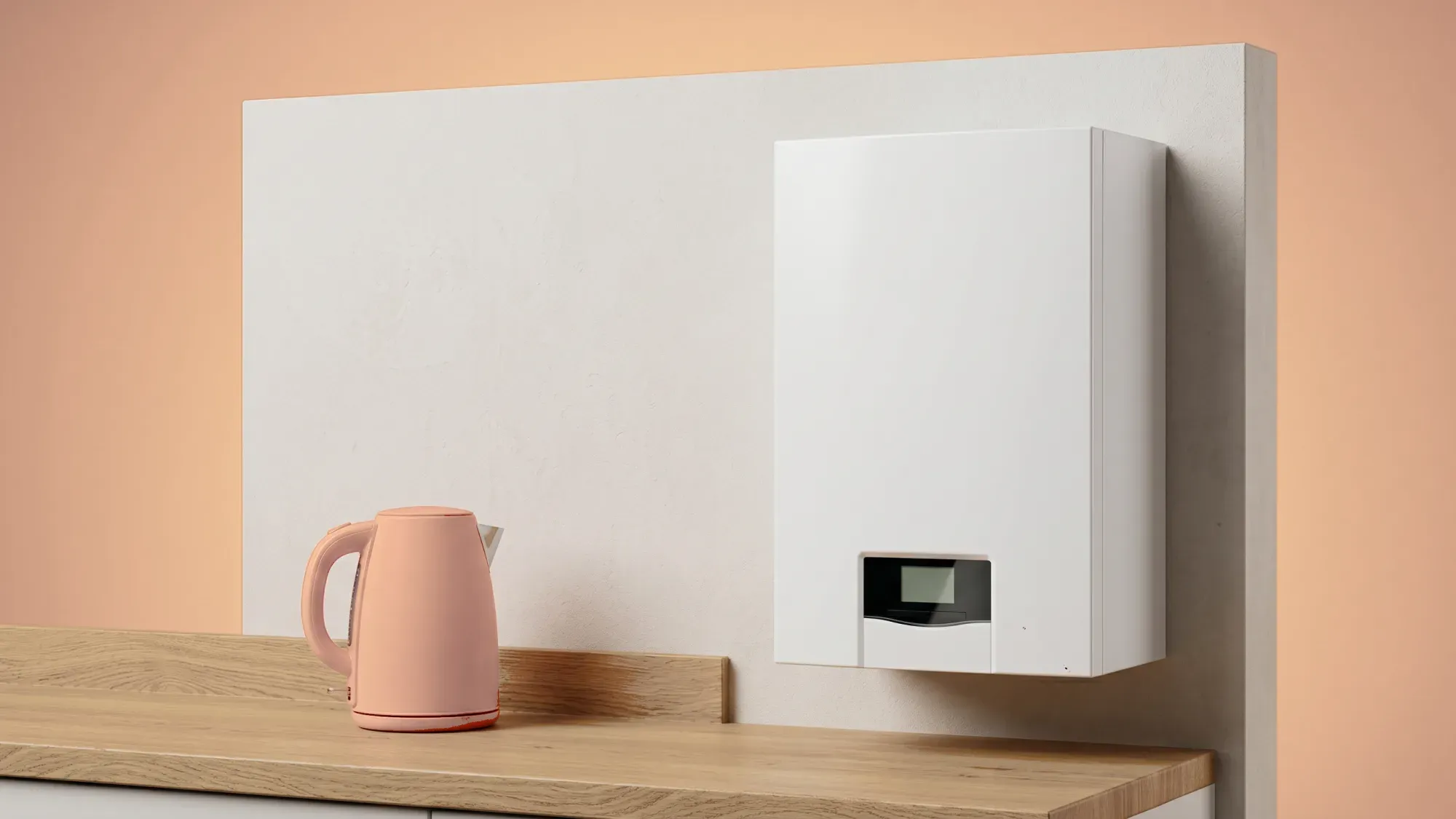
Unusual noises from your boiler can be unsettling, leaving you wondering about the cause and potential severity. This guide empowers homeowners to understand and address common boiler noises, offering clear, actionable diagnostic information. For expert assistance, Fuse Energy provides 24/7 human support, and if a replacement is needed, we exclusively install the quiet and efficient Vaillant ecoTEC Plus.
Understanding common boiler noises
Boilers, like any complex appliance, can make various sounds during operation. While some are normal, others signal underlying issues that need attention. Identifying the type of noise is the first step towards understanding the problem.
Banging or kettling noises
A banging or rumbling sound, often described as "kettling," is a common complaint. This usually occurs when limescale builds up inside your boiler's heat exchanger. The limescale restricts water flow, causing water to overheat and turn into steam, which then condenses rapidly, creating the banging noise. Kettling can also be caused by sludge or debris in the system, or issues with the thermostat.
Gurgling or bubbling sounds
If your boiler is making gurgling or bubbling noises, it often indicates air trapped within the heating system or that your boiler's water pressure is too low. A frozen condensate pipe, particularly in colder weather, can also cause gurgling sounds.
Whistling or humming noises
A whistling sound, sometimes referred to as "the scream," can be caused by kettling due to limescale build-up, trapped air in the pipes, or low water pressure. A brief whistle on startup might relate to the pump or fan. Humming noises, a low, steady vibration, can stem from the circulation pump, worn fan bearings, high mains water pressure, or loose components vibrating within the boiler casing or pipework.
Buzzing or vibrating sounds
A buzzing or vibrating noise often points to a faulty pump or loose components within the boiler. It could also indicate high water pressure or issues with the boiler's fan.
Initial troubleshooting: what you can check
Before calling a professional, there are a few simple checks you can perform yourself. These basic steps can often resolve common noise issues.
Checking boiler pressure
Low water pressure is a frequent cause of boiler noises, including gurgling and whistling. Your boiler's pressure gauge should typically read between 1 and 1.5 bar when the system is cold. If it's too low, you may need to repressurise your boiler. Consult your boiler's manual for specific instructions on how to do this safely.
Bleeding radiators to release air
Trapped air in your heating system can cause gurgling noises and prevent radiators from heating evenly. If the tops of your radiators are cold, you likely have air in the system. Bleeding your radiators can release this trapped air. Ensure the heating is off and the system is cool before you start. You'll need a radiator key and a cloth. Remember to check your boiler pressure afterwards, as bleeding can reduce it.
Inspecting for loose components
Sometimes, a vibrating or buzzing noise can be as simple as a loose bracket or component. Carefully inspect the visible parts of your boiler and its immediate surroundings for anything that appears loose or is vibrating against another surface. Tightening a loose screw or securing a pipe might resolve the noise.
When a noisy boiler is dangerous (and when to call an engineer)
While many boiler noises are not immediately dangerous, they should never be ignored. Modern boilers have safety mechanisms to shut down if a critical fault occurs, but this is not always guaranteed. Persistent or unusual noises are warning signs that could lead to more serious problems if left unaddressed.
Signs your boiler needs urgent attention
Some noises and accompanying symptoms indicate a more serious issue requiring prompt professional intervention. These include:
Popping or banging on startup: This can signal delayed ignition, which is a gas safety concern.
Hissing from the pressure relief valve: This means your system pressure is too high.
A roaring or "aeroplane" noise: This may indicate a failing fan, which is crucial for safely venting combustion gases.
Any visible water leaks from the boiler.
Smelling gas or your carbon monoxide alarm sounding. If this happens, switch off your boiler if safe to do so, leave the property, and seek urgent help.
The importance of a gas safe registered engineer
For any boiler work beyond basic user checks like repressurising or bleeding radiators, it is legally required and critically important to use a Gas Safe registered engineer in the UK. These engineers are qualified, regularly assessed, and trained to work safely on gas appliances. Using an unregistered person is illegal and can lead to dangerous workmanship, invalid insurance, and legal penalties.
What is a Gas Safe registered engineer?
A Gas Safe registered engineer is a qualified professional legally allowed to work on gas appliances in the UK, Isle of Man, and Guernsey. They have undergone specific training and regular assessments to ensure they can safely install, repair, and service gas boilers, cookers, and fires, providing peace of mind and legal compliance.
Preventing future boiler noise issues
Proactive maintenance is key to keeping your boiler running quietly and efficiently, extending its lifespan, and preventing costly breakdowns.
The role of regular boiler servicing
Annual boiler servicing is highly recommended to maintain efficiency and safety. A qualified Gas Safe engineer can identify and address potential issues like limescale build-up or worn components before they lead to loud noises or breakdowns. Regular servicing is also often a requirement to keep your boiler's warranty valid.
Maintaining system pressure
Regularly checking and maintaining your boiler's pressure within the recommended range (typically 1 to 1.5 bar when cold) can prevent many noise-related problems and ensure your heating system operates effectively.
Considering a boiler replacement?
If your boiler is frequently noisy, inefficient, or nearing the end of its life, it might be time to consider an upgrade.
When to upgrade your boiler
Boilers typically have a lifespan of 10-15 years. If your boiler is older than this and constantly making unusual noises, requiring frequent repairs, or struggling to heat your home efficiently, a replacement could be a more cost-effective solution in the long run. Persistent kettling, for example, puts ongoing stress on the heat exchanger, which is an expensive component to replace.
The benefits of a modern, quiet boiler
Newer boilers are significantly more energy-efficient and quieter than older models. They incorporate advanced technology to minimise noise and maximise performance. If your noisy boiler is old and beyond economic repair, Fuse Energy exclusively installs the Vaillant ecoTEC Plus, known for its quiet operation and superior efficiency. This provides a long-term, reliable heating solution for your home.
For the avoidance of doubt, this article is provided for informational purposes only and is not intended to constitute legal or financial advice. The author and/or Fuse Energy shall not be responsible for any losses arising out of any reliance on the information contained herein.