Boiler installation: types, costs, and regulations
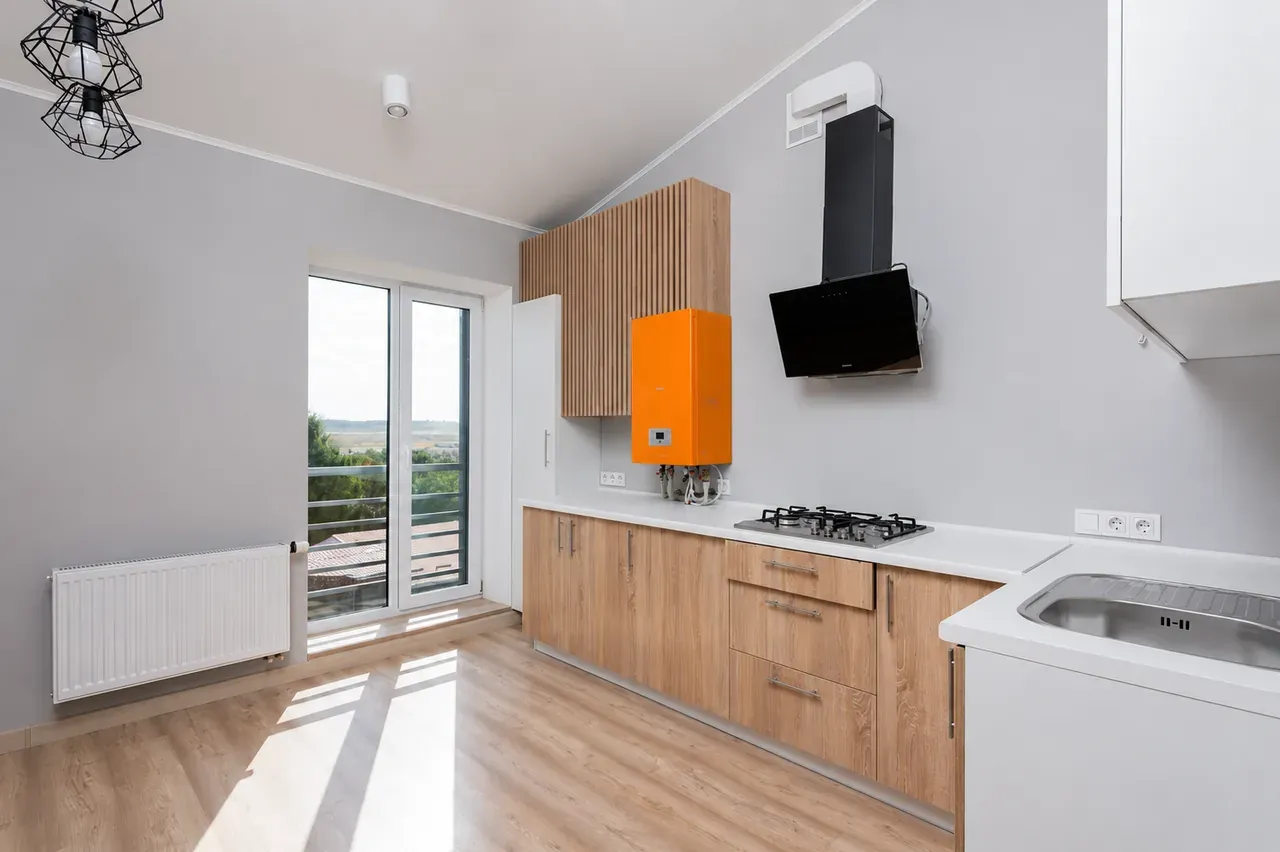
Installing a new boiler is a significant investment for any homeowner, directly impacting your home's warmth, hot water supply, and energy bills. Navigating the options, understanding costs, and ensuring compliance with regulations can seem daunting. This guide provides clear, fact-backed information on boiler types, installation costs, UK regulations, and how to select a qualified installer, empowering you to make an informed decision for an efficient and reliable heating system.
Understanding boiler types for your home
Choosing the right boiler type is crucial for meeting your home's heating and hot water demands efficiently. The three main types found in UK homes are combi, system, and regular (conventional) boilers, each suited to different property sizes and hot water usage patterns.
Combi boilers
Combi (combination) boilers are a popular choice in the UK, with condensing combi boilers dominating the market due to their energy efficiency and regulatory compliance. They provide instant hot water on demand, directly from the mains, without needing a separate hot water cylinder or cold water tank. This makes them ideal for smaller homes, flats, or properties with one bathroom where space is at a premium. The trade-off is that they typically serve one outlet at a time at full pressure; running multiple taps or showers simultaneously can lead to a drop in water flow.
System boilers
System boilers heat water and store it in a hot water cylinder, making them suitable for homes with multiple bathrooms or a higher demand for hot water. Unlike regular boilers, system boilers have most of their major components built into the unit, simplifying installation. They do not require a cold water tank in the loft, freeing up space. System boilers maintain a stable hot water supply to several taps simultaneously, but once the stored hot water is used, it takes time to reheat.
Regular (conventional) boilers
Regular boilers, also known as conventional or heat-only boilers, are typically found in older, larger properties. They work with both a hot water cylinder and a cold water storage tank, usually located in the loft. This setup allows for a large volume of hot water to be stored, catering to homes with high hot water demands and multiple bathrooms. However, they require more space for the tanks and hot water can run out, needing time to replenish.
Electric boilers and other alternatives
While gas boilers are the most common, electric boilers offer an alternative for homes without a gas connection or those looking to reduce their reliance on fossil fuels. They are generally compact and quiet but can be more expensive to run due to the higher cost of electricity compared to gas. Other alternatives include oil boilers, typically used in off-grid rural properties, and biomass boilers, which burn wood pellets or chips.
It is important to note that while the market offers a range of boiler types and brands, Fuse Energy exclusively installs the highly efficient Vaillant ecoTEC Plus gas boiler. We do not supply, install, or service any other boiler brands or types, ensuring a focused commitment to a proven, reliable heating solution.
New boiler installation costs in the UK
The average cost for a new boiler installation in the UK typically ranges from £1,800 to £4,800, including the boiler unit and labour. This figure can vary significantly based on several factors.
Average costs by boiler type
- Combi boiler: A like-for-like combi boiler replacement in the same location typically costs between £2,000 and £4,000.
- System boiler: Installation costs for system boilers can be slightly higher, particularly if a new hot water cylinder is required or existing pipework needs significant alteration.
- Regular boiler: Replacing a regular boiler with another regular boiler can vary in cost. Converting from a regular or system boiler to a combi boiler is often more complex and typically costs between £2,900 and £4,500.
Factors influencing the final price
Several factors can influence the final price of a boiler installation:
- Boiler type and brand: Premium brands or more complex boiler types will naturally cost more.
- Installation complexity: A straightforward like-for-like swap in the same location is the cheapest. Moving the boiler to a new location, converting boiler types (e.g., from a regular to a combi), or upgrading pipework will increase costs.
- Property size and hot water demand: Larger homes or those with higher hot water needs may require a more powerful boiler, affecting the price.
- Geographical location: Installation costs can vary across different regions of the UK.
Additional costs to consider
Beyond the boiler and basic installation, homeowners should budget for potential additional costs:
- System flushing: Essential for cleaning existing pipework and radiators, preventing sludge and debris from damaging the new boiler.
- Smart controls: Upgrading to a smart thermostat can enhance efficiency and control, but adds to the upfront cost.
- Flue upgrades: Ensuring the flue meets current regulations may require additional work.
- Radiator upgrades: If your existing radiators are old or inefficient, replacing them alongside the boiler can improve overall system performance.
UK regulations and safety for boiler installation
Boiler installation in the UK is subject to strict regulations to ensure safety and energy efficiency. Adhering to these rules is not only a legal requirement but also crucial for protecting your home and validating your boiler's warranty.
The gas safe register: what it means for homeowners
All engineers installing or repairing gas boilers in the UK must be on the Gas Safe Register. This is a legal requirement, and using an unregistered individual for gas work is illegal and can invalidate your home insurance and warranties. The Gas Safe Register is the official body responsible for ensuring gas engineers meet strict safety standards, providing homeowners with peace of mind that work is carried out safely and competently. Always check an engineer's Gas Safe ID card before any work begins.
Building regulations compliance
New boiler installations must comply with UK Building Regulations, particularly Approved Documents J (flues and ventilation) and L (energy efficiency). This ensures the boiler is installed safely and meets minimum energy efficiency standards, which for gas boilers is currently 92% ErP efficiency under Boiler Plus regulations. Your Gas Safe registered installer will typically handle the notification of the work to your local authority, ensuring compliance.
Manufacturer warranties and servicing requirements
Manufacturer warranties for boilers typically range from two to twelve years, depending on the brand and model. A critical condition for keeping these warranties valid is annual servicing by a Gas Safe registered engineer. Failing to have your boiler serviced annually can void your warranty, leaving you responsible for the full cost of any repairs. Most manufacturers also require the boiler to be registered within a specified period, often 30 days, of installation to activate the full warranty period.
Choosing a qualified boiler installer
Selecting the right installer is as important as choosing the right boiler. A qualified engineer ensures safety, compliance, and optimal performance of your new heating system.
Verifying gas safe registration
The first and most crucial step is to verify that any engineer or company you consider is Gas Safe registered. You can do this by checking their ID card, which should include their photo and registration number, or by visiting the official Gas Safe Register website. Never allow unregistered individuals to work on your gas appliances.
Checking reviews and references
Beyond registration, look for installers with a strong reputation. Check online reviews on platforms like Trustpilot or Google, and ask for references from previous customers. A reliable installer will be transparent about their work and happy to provide testimonials. This helps gauge their professionalism, quality of work, and customer service.
Understanding quotes and contracts
Obtain multiple quotes to compare prices and services. Ensure each quote is detailed and includes all necessary work, parts, and any potential additional costs like system flushing or smart controls. A clear contract should outline the scope of work, timelines, payment terms, and warranty information. Be wary of unusually low quotes, as they may indicate hidden costs or a compromise on quality.
The boiler installation process: step-by-step
A new boiler installation can take anywhere from one to three days, depending on the complexity and whether pipework or system changes are required. A straightforward like-for-like combi boiler swap can often be completed in a single day.
Initial assessment and quote
The process begins with an engineer assessing your home's heating and hot water requirements. They will consider your property size, insulation, existing system, and hot water demand to recommend the most suitable boiler type and size. Following this, you will receive a detailed quote outlining the proposed work and costs.
Preparation and removal of old boiler
On the installation day, the engineer will prepare the work area, protecting your home from dust and debris. The old boiler will be safely disconnected, drained, and removed. If you are converting boiler types or relocating the unit, additional pipework may need to be installed or altered, and old tanks removed.
New boiler fitting and pipework
The new boiler will then be mounted in its designated location. This involves connecting it to the gas supply, water pipes, and the flue system. Any necessary adjustments to pipework or the heating system will be made at this stage. The Vaillant ecoTEC Plus, known for its reliability, is designed for efficient installation.
Commissioning and handover
Once installed, the engineer will commission the new boiler. This involves filling the system, bleeding radiators, and thoroughly testing the unit to ensure it is operating safely and efficiently. They will also provide you with a commissioning certificate, explain how to use your new boiler and its controls, and advise on maintenance.
Maintaining your new boiler and warranty
Regular boiler servicing is crucial for maintaining efficiency, ensuring safety, and keeping the manufacturer's warranty valid. It's an investment that pays off in the long run by preventing costly breakdowns and extending your boiler's lifespan.
The importance of annual servicing
An annual service by a Gas Safe registered engineer checks for potential safety issues, optimises efficiency, and identifies minor faults before they escalate into major problems. This helps to reduce energy bills and ensures your heating system is safe for your household. Most manufacturers, including Vaillant, require proof of annual servicing to honour extended warranties.
Understanding your boiler warranty
Most modern boilers come with a manufacturer's warranty that covers parts and labour in case of a breakdown due to manufacturing defects. However, these warranties are conditional. As well as annual servicing, you typically need to register your boiler with the manufacturer within a specified period (often 30 days) of installation to activate the full warranty period. Keep all service records as proof of maintenance.
Common boiler issues and troubleshooting
While regular servicing minimises issues, common problems can include low boiler pressure, strange noises, or a lack of hot water. Many minor issues can be resolved with simple troubleshooting steps, such as repressurising your boiler. However, for any gas-related concerns or persistent problems, always contact a Gas Safe registered engineer.
Fuse Energy: your Vaillant ecotec Plus installation partner
At Fuse Energy, we believe in providing homeowners with reliable, efficient, and transparent heating solutions. Our approach is designed to simplify the boiler installation process and give you control over your home's energy.
Why Fuse exclusively installs the Vaillant ecotec Plus
We focus exclusively on installing the Vaillant ecoTEC Plus gas boiler model. This commitment reflects our belief in proven efficiency and reliability, rather than offering a wide, potentially overwhelming, range of options. The Vaillant ecoTEC Plus is a highly efficient gas boiler model, known for its performance and durability, aligning with our principle to "never settle" for less than the best for your home.
Transparent pricing for certainty and control
Fuse Energy aims to provide clear and transparent pricing for Vaillant ecoTEC Plus installations. You can obtain a detailed quote, ensuring you understand the costs involved from the outset. Our pricing is clear, with no hidden fees, so you know exactly what to expect.
Our commitment to efficiency and reliability
Choosing Fuse Energy means opting for a heating system that is both efficient and reliable. The Vaillant ecoTEC Plus is designed to deliver consistent warmth and hot water, potentially leading to lower energy bills and reduced carbon emissions. Our service ensures a professional installation, backed by our commitment to quality and customer satisfaction.
Conclusion and next steps
Upgrading your home's heating system is a significant decision, but with the right information, it can be a straightforward process. By understanding the different boiler types, installation costs, and crucial UK regulations, you can confidently choose a system that meets your needs and a qualified installer you can trust. Prioritising safety, efficiency, and regular maintenance will ensure your new boiler provides reliable warmth for years to come.
Disclaimer
For the avoidance of doubt, this article is provided for informational purposes only and is not intended to constitute legal or financial advice. The author and/or Fuse Energy shall not be responsible for any losses arising out of any reliance on the information contained herein.