Boiler efficiency: ratings and savings
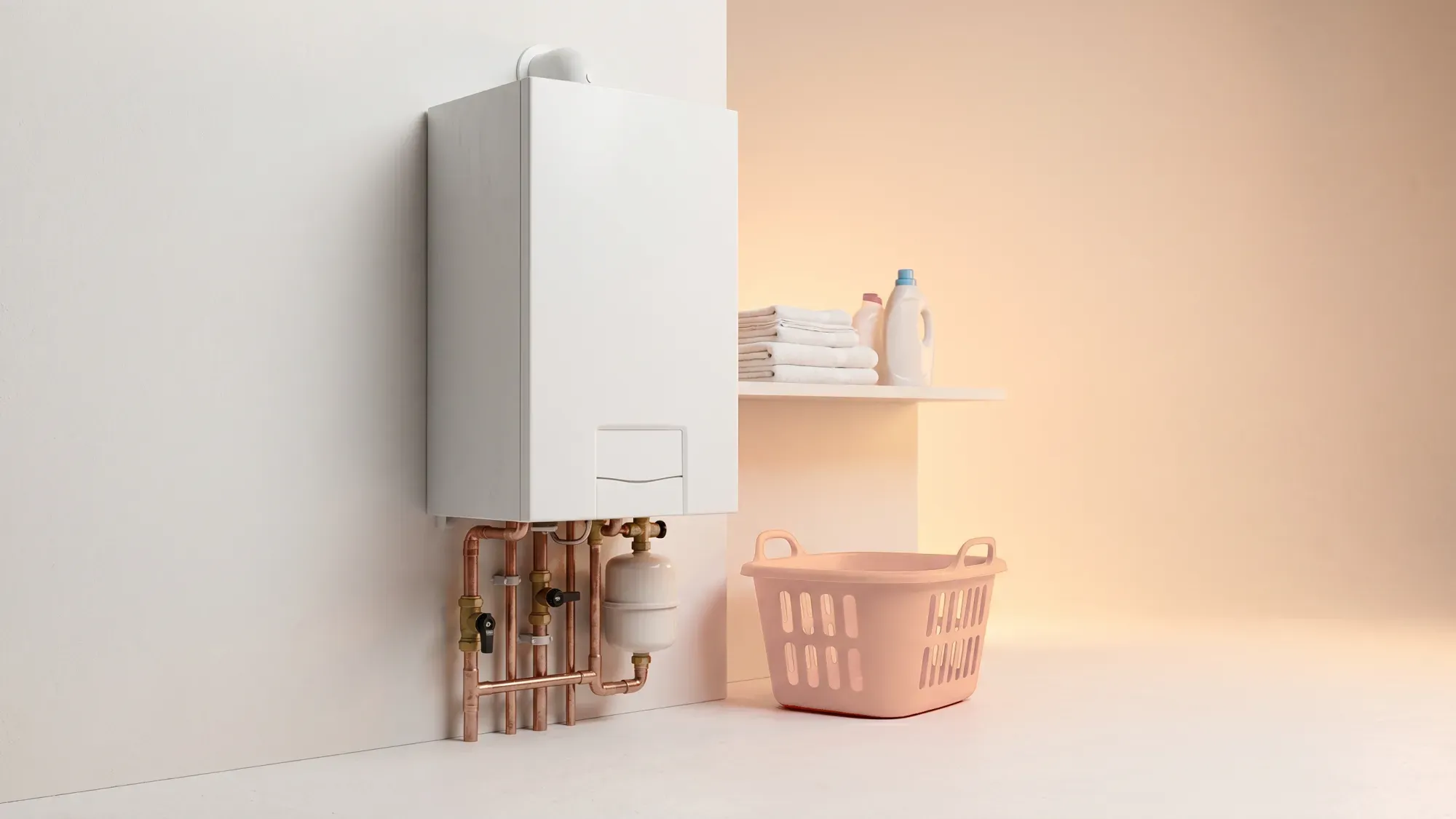
Understanding your boiler's efficiency is key to managing your home's energy use and ensuring consistent warmth without unnecessary waste. This guide explains how boiler efficiency works, how it is measured, and what constitutes a good rating, helping you take control of your home energy consumption.
Understanding boiler efficiency ratings
Boiler efficiency measures how much of the fuel consumed is converted into usable heat, typically expressed as a percentage. This percentage indicates how effectively your boiler turns gas into warmth for your home, rather than losing it through the flue or other inefficiencies. A higher percentage means more heat for your money and less wasted energy.
What do efficiency ratings mean?
Efficiency ratings provide a standardised way to compare boilers. They help homeowners understand a boiler's performance and potential running costs. These ratings are crucial for making informed decisions, whether you are optimising an existing system or considering an upgrade.
ErP and SEDBUK explained
In the UK, boiler efficiency is often rated using two main systems: ErP (Energy-related Products Directive) and SEDBUK (Seasonal Efficiency of Domestic Boilers in the UK). The ErP Directive, a European framework adopted in the UK, assigns energy labels (from A+++ to G) to heating products, similar to those found on household appliances. SEDBUK, on the other hand, provides a percentage efficiency figure, taking into account seasonal variations in performance. Both aim to give a realistic picture of a boiler's real-world efficiency over a year.
What is an a-rated boiler?
An A-rated boiler is the most efficient category under the ErP rating system. Modern condensing boilers can achieve efficiencies of 90% or more, meaning over 90% of the fuel they consume is converted into usable heat for your home. This high level of efficiency significantly reduces energy waste and running costs compared to older, less efficient models.
How your boiler's efficiency is measured
Boiler efficiency is not just about a number on a label; it is influenced by a range of factors, from the boiler's design to its age and how well it is maintained.
Factors influencing boiler performance
Several elements contribute to a boiler's overall efficiency. Modern condensing boilers are designed to recover heat from exhaust gases, which older conventional boilers simply vent away. The type of fuel used (gas, oil, LPG) also plays a role, as does the boiler's power output relative to your home's heating demand. Correct installation and system design are equally critical; an oversized or undersized boiler will not operate at its peak efficiency.
The impact of boiler age
The age of your boiler has a significant impact on its efficiency. Older boilers, particularly those installed before 2005, are typically non-condensing models that might be as low as 60-70% efficient. This means a substantial portion of the energy they consume is wasted. In contrast, modern condensing boilers are designed to be much more efficient. Replacing an old, inefficient G-rated boiler with a new A-rated model could save a typical semi-detached home around £200-£300 per year on energy bills.
Practical steps to improve boiler efficiency
Even with an older boiler, there are practical steps you can take to improve its efficiency and reduce your energy consumption.
Regular servicing and maintenance
Annual boiler servicing is not just about safety; it is crucial for maintaining optimal performance. A professional service ensures all components are working correctly, identifies potential issues before they become costly breakdowns, and keeps your boiler running as efficiently as possible. Regular maintenance can prevent efficiency from decreasing over time, regardless of your boiler's theoretical rating.
Optimising your heating system
Simple adjustments to your heating system can make a big difference. Bleeding radiators releases trapped air, allowing hot water to circulate effectively and ensuring even heat distribution. Checking your system pressure regularly and topping it up if needed also helps maintain efficiency. Cold spots on radiators often indicate system inefficiencies that can be easily addressed.
Smart controls and thermostats
Implementing smart heating controls and optimising thermostat settings are powerful ways to maximise efficiency. Smart thermostats learn your habits, allow you to control your heating remotely, and can automatically adjust temperatures based on occupancy or weather. Setting your thermostat to the lowest comfortable temperature and using programmers to heat your home only when needed prevents unnecessary energy use.
What is the Boiler Plus standard?
The Boiler Plus standard, introduced in 2018, mandates that all new gas boiler installations in England must achieve a minimum ErP efficiency of 92%. It also requires the inclusion of a form of smart heating control, such as a load compensating or weather compensating thermostat, to further enhance efficiency and user control.
When to consider a new, efficient boiler
While maintenance and smart controls can help, there comes a point when upgrading your boiler becomes the most effective solution for long-term savings and comfort.
Comparing old vs new boiler efficiency
The difference in efficiency between old and new boilers is substantial. Older models might only convert 60-70% of fuel into heat, while modern A-rated condensing boilers achieve 90% or more. This gap means that a significant portion of your energy bill with an old boiler is literally going up in smoke. The Boiler Plus standard, introduced in 2018, mandates that all new gas boiler installations in England must include a minimum ErP efficiency of 92% and a form of smart heating control.
Long-term savings and comfort
Investing in a new, highly efficient boiler offers considerable long-term savings. The annual savings of £200-£300 for a typical semi-detached home replacing a G-rated boiler quickly add up. Beyond financial benefits, a new boiler provides enhanced home comfort through more consistent heating and greater reliability, reducing the anxiety of breakdowns and inconsistent warmth. The average UK home uses around 9,500 kWh of gas per year1 for heating, highlighting the potential for significant savings with an efficient system.
The benefits of a highly efficient boiler
A highly efficient boiler is more than just a piece of equipment; it is a foundation for a more comfortable, affordable, and sustainable home.
Reduced energy bills
The most immediate and tangible benefit of an efficient boiler is lower energy bills. By converting more fuel into usable heat, less energy is wasted, directly translating into reduced costs. This allows homeowners to have more consistent warmth without constantly worrying about escalating expenses.
Enhanced home comfort and reliability
An efficient boiler provides more consistent and reliable heating. Modern boilers are designed for optimal performance, ensuring your home stays warm when you need it most. This reliability frees homeowners from the anxiety of high bills and inconsistent heating, contributing to a home where energy is abundant and dependable.
Environmental impact
Reducing energy waste also means reducing your carbon footprint. By consuming less fuel to achieve the same level of warmth, an efficient boiler contributes to a more sustainable lifestyle and helps combat climate change. All new boilers sold in the UK must meet minimum energy efficiency standards set by the ErP Directive.
Choosing the right boiler for your home
Making the right choice for your home's heating system involves considering efficiency, reliability, and professional support.
Vaillant ecotec Plus: an efficient choice
Understanding boiler efficiency empowers homeowners to make informed decisions that lead to more consistent warmth and lower running costs. Fuse offers installation of the Vaillant ecoTEC Plus, a highly efficient gas boiler, as part of its commitment to helping homeowners achieve optimal energy performance. This model is designed to deliver high efficiency and reliable heating, aligning with the goal of providing a home where energy is abundant and dependable.
Professional installation and advice
Proper installation is as crucial as the boiler's efficiency rating. A poorly installed boiler will not perform to its potential, negating many of the benefits. Professional installers can advise on the best system for your home's specific needs, ensuring it operates at peak efficiency. Smart heating controls, often integrated with modern efficient boilers, allow homeowners to precisely manage their energy use and maximise savings.
References
Disclaimer
For the avoidance of doubt, this article is provided for informational purposes only and is not intended to constitute legal or financial advice. The author and/or Fuse Energy shall not be responsible for any losses arising out of any reliance on the information contained herein.