Bidirectional EV chargers explained
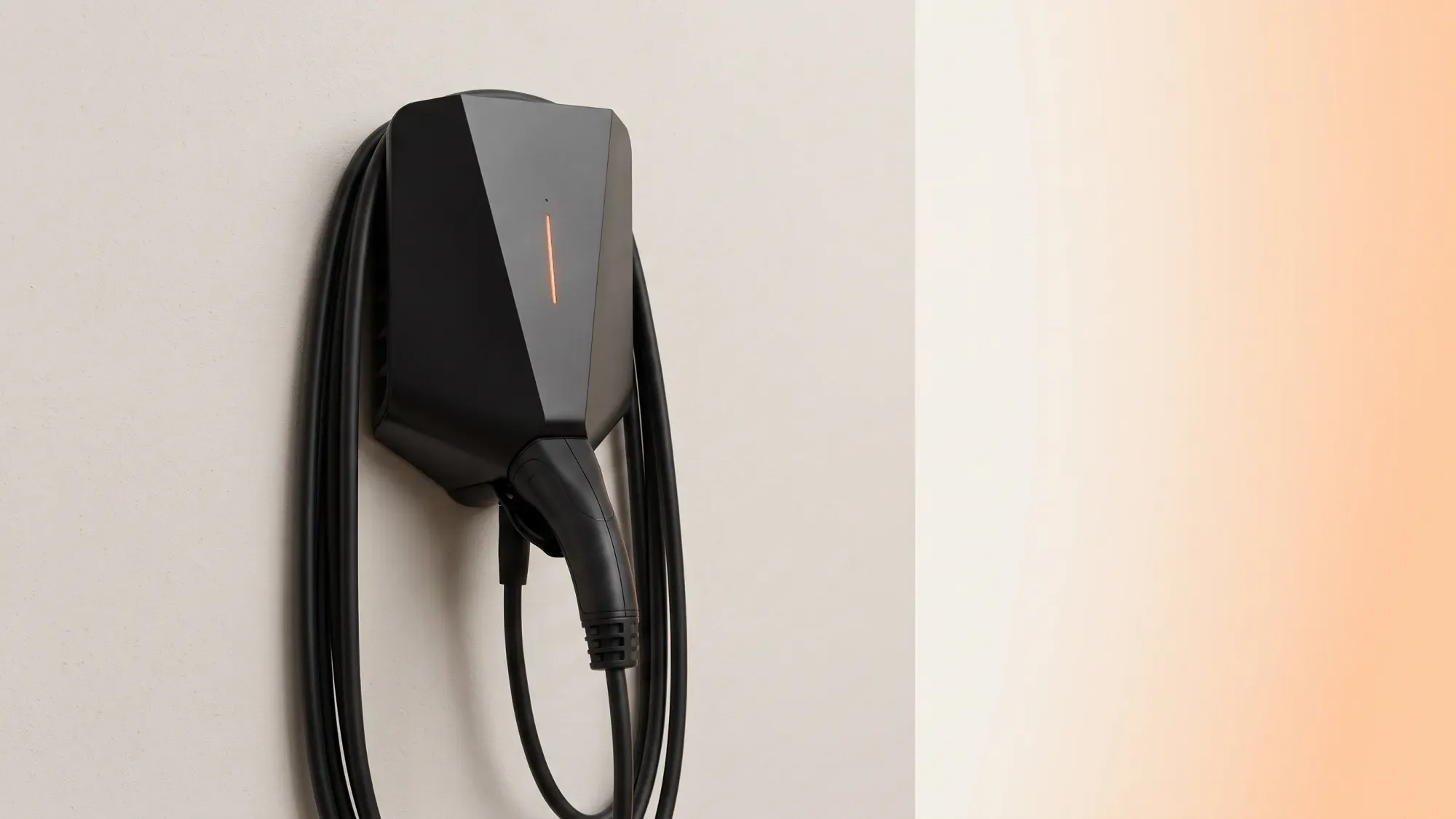
Bidirectional EV charging transforms your electric vehicle (EV) into a dynamic energy asset, allowing electricity to flow both to and from its battery. This technology offers UK homeowners a powerful way to manage their energy use, reduce bills, and enhance energy independence by optimising when and how they use their EV's stored power.
What is bidirectional EV charging?
Bidirectional EV charging is a system that enables a two-way flow of electricity between an EV and an external source, such as a home or the National Grid. Unlike standard unidirectional chargers that only allow power to flow into the car's battery, bidirectional chargers can also draw power out. This capability unlocks significant potential for energy management, allowing your EV to act as a mobile power bank.
Understanding the two-way energy flow
The core of bidirectional charging lies in sophisticated charging infrastructure that can manage power flow in both directions, maintaining grid stability and safety standards. This two-way exchange means your EV can charge when electricity is cheap and abundant, then discharge that stored energy when demand is high or prices are expensive. It's a fundamental shift from simply consuming electricity to actively participating in the energy system.
V2G vs V2H: key differences
Bidirectional charging supports various applications, primarily Vehicle-to-grid (V2G) and Vehicle-to-Home (V2H).
- Vehicle-to-grid (V2G): This allows your EV to export electricity from its battery back to the National Grid. This typically happens during periods of high demand or when electricity prices are high, enabling you to potentially earn revenue or receive credits from your energy supplier. V2G systems help balance the grid by providing a distributed source of power, supporting stability and the integration of more renewable energy sources.
- Vehicle-to-Home (V2H): This uses your EV battery to power your house directly. V2H reduces dependence on grid electricity during peak pricing periods or provides backup power during outages. It allows households to optimise self-consumption and reduce costs by using their own stored energy.
How bidirectional charging benefits UK homeowners
Bidirectional charging offers tangible advantages for UK EV owners, extending beyond simple transportation to encompass significant home energy management benefits.
Reducing energy bills and earning revenue
By strategically charging your EV when electricity is cheap (e.g., overnight) and discharging it when prices are high, you can significantly reduce your household energy bills. Octopus Energy's Power Pack tariff, for example, suggests typical annual savings of up to £620 for a driver covering around 7,500 miles per year, compared to a Standard Variable Tariff. These savings are often delivered as free EV charging rather than direct cash payments. This financial benefit comes from buying electricity during off-peak periods and selling or using it during peak periods.
Enhancing home energy independence
Your EV battery can become a substantial home energy storage system. The Energy and Climate Intelligence Unit (ECIU) states that an EV battery, even at 60% capacity, is capable of providing nearly six days of electricity for a typical UK home. Given that the average UK home uses around 6.8 kWh of electricity per day1, this capability significantly reduces reliance on grid electricity during expensive peak periods and can provide a valuable backup power source during outages, increasing your home's energy resilience.
Supporting grid stability and renewable energy
When your EV feeds power back to the grid, it helps to balance electricity demand, especially when renewable energy supply (like wind or solar) is low. This flexibility supports the wider use of renewables and contributes to a more stable, efficient, and decarbonised energy system for everyone.
Compatible EVs and chargers in the UK
Not all EVs or chargers are currently bidirectional compatible, but the market is expanding.
Current EV models with bidirectional capability
The Nissan Leaf is widely recognised for its V2G compatibility across all generations, supporting CHAdeMO bidirectional charging. The BYD Dolphin is another model mentioned as compatible with commercial V2G tariffs, particularly through partnerships like the Octopus Power Pack bundle. Upcoming models, such as updated Volkswagen ID family vehicles, are expected to expand the range of V2G-capable EVs with ISO 15118 support.
Choosing the right bidirectional charger
Selecting a bidirectional charger requires careful consideration. These specialised units manage the two-way power flow and must be compatible with both your EV and your home's electrical system. Key factors include:
- Compatibility: Ensure the charger is compatible with your specific EV model and its communication protocols (e.g., CHAdeMO or CCS).
- Power output: Consider the charging and discharging rates to match your energy needs.
- Features: Look for smart features that integrate with energy management systems and allow for scheduling and optimisation.
- Future-proofing: As technology evolves, choosing a charger that supports emerging standards like ISO 15118-20 can be beneficial.
Installation, costs, and regulatory landscape
Integrating bidirectional charging into your home involves specific installation requirements and costs, within a developing regulatory framework.
The installation process and requirements
Installing a bidirectional charger is more complex than a standard EV charger. It typically requires a qualified electrician and may involve additional steps such as:
- G99 application: This is a formal application to your Distribution Network Operator (DNO) to connect a generating device (your EV exporting power) to the grid. This is required for V2G systems that export more than 3.68kW to the grid.
- Export meter point administration number (MPAN): You may need a specific MPAN for exporting electricity.
- DNO commissioning checks: Onsite checks by the DNO may be required, with costs and timescales varying by region.
- Smart meter: A smart electricity meter is essential for managing the two-way energy flow and participating in smart tariffs. Homeowners often pair this with a smart meter installation to track usage.
Estimated costs of bidirectional chargers
The initial cost of V2G-compatible chargers is currently higher than standard unidirectional units. While specific figures vary, the investment includes the charger unit itself and the professional installation costs, which can be more involved due to the grid connection requirements.
UK Regulations and incentives
The UK government is actively developing regulatory frameworks for smart charging and V2G technology. The Electric Vehicles (Smart Charge Points) Regulations 2021 ensure that private charge points meet minimum smart functionality, such as default charging schedules and randomised delays to protect the grid. Ofgem, the energy regulator, plays a key role in ensuring consumers can connect smart charging technologies to the grid and facilitating products and services that enable EV flexibility. While government funding has supported various V2G trials, the UK is still working on a clear and sustained incentive structure to drive wider adoption, which could include grants or preferential tariffs.
Maximising savings with smart tariffs and energy management
To truly unlock the financial and environmental benefits of bidirectional charging, pairing it with smart tariffs and effective energy management is crucial.
Leveraging dynamic pricing with your EV
Smart energy tariffs are designed to reflect the fluctuating wholesale price of electricity, offering cheaper rates during off-peak hours and higher rates during peak demand. By using your EV to charge during low-price periods and discharge during high-price periods, you can maximise your savings. This dynamic approach allows your EV to become a proactive participant in balancing the grid, earning you benefits in return.
What is a smart energy tariff?
A smart energy tariff offers variable electricity prices throughout the day, typically cheaper during off-peak hours (like overnight) and more expensive during peak times. These tariffs incentivise consumers to shift their energy consumption to periods of lower demand, which is ideal for optimising bidirectional EV charging.
Integrating with home energy systems
Bidirectional EV chargers can integrate with broader home energy management systems, including solar panels and home batteries. This allows for a holistic approach to energy independence, where your EV can supplement or store excess renewable energy generated at home, further reducing reliance on the grid and lowering bills. For more tips on managing your energy costs, consider understanding your energy bill.
The role of the Fuse Energy app
Fuse Energy empowers UK EV owners to truly unlock the "power to play with" their energy. While Fuse Energy does not currently offer bidirectional EV chargers for installation, its services are designed to help you optimise your EV charging. The Fuse Energy app provides visibility of your EV's state of charge, allowing you to manage charging with smart tariffs. By helping customers charge their EVs during periods of abundant, cheaper energy, Fuse aligns with its vision of rebuilding the energy system for greater resilience and efficiency.
The future of bidirectional EV charging
Bidirectional EV charging is a rapidly evolving technology with significant potential to reshape the energy landscape.
Upcoming advancements and wider adoption
The market for bidirectional EVs and chargers is set to expand, with more manufacturers integrating V2G and V2H capabilities into their models. Advancements in battery technology, charging infrastructure, and standardisation (such as ISO 15118) will make bidirectional charging more accessible and efficient. The UK government's continued support for smart charging and V2G trials will also accelerate its adoption.
Impact on the UK energy system
The widespread adoption of bidirectional EV charging will have a transformative impact on the UK energy system. It will enable EVs to act as a vast, distributed energy storage network, providing flexibility and stability to the grid. This will facilitate greater integration of renewable energy sources, reduce the need for costly grid upgrades, and ultimately contribute to a more sustainable and resilient energy future for all UK residents.
References
Disclaimer
For the avoidance of doubt, this article is provided for informational purposes only and is not intended to constitute legal or financial advice. The author and/or Fuse Energy shall not be responsible for any losses arising out of any reliance on the information contained herein.