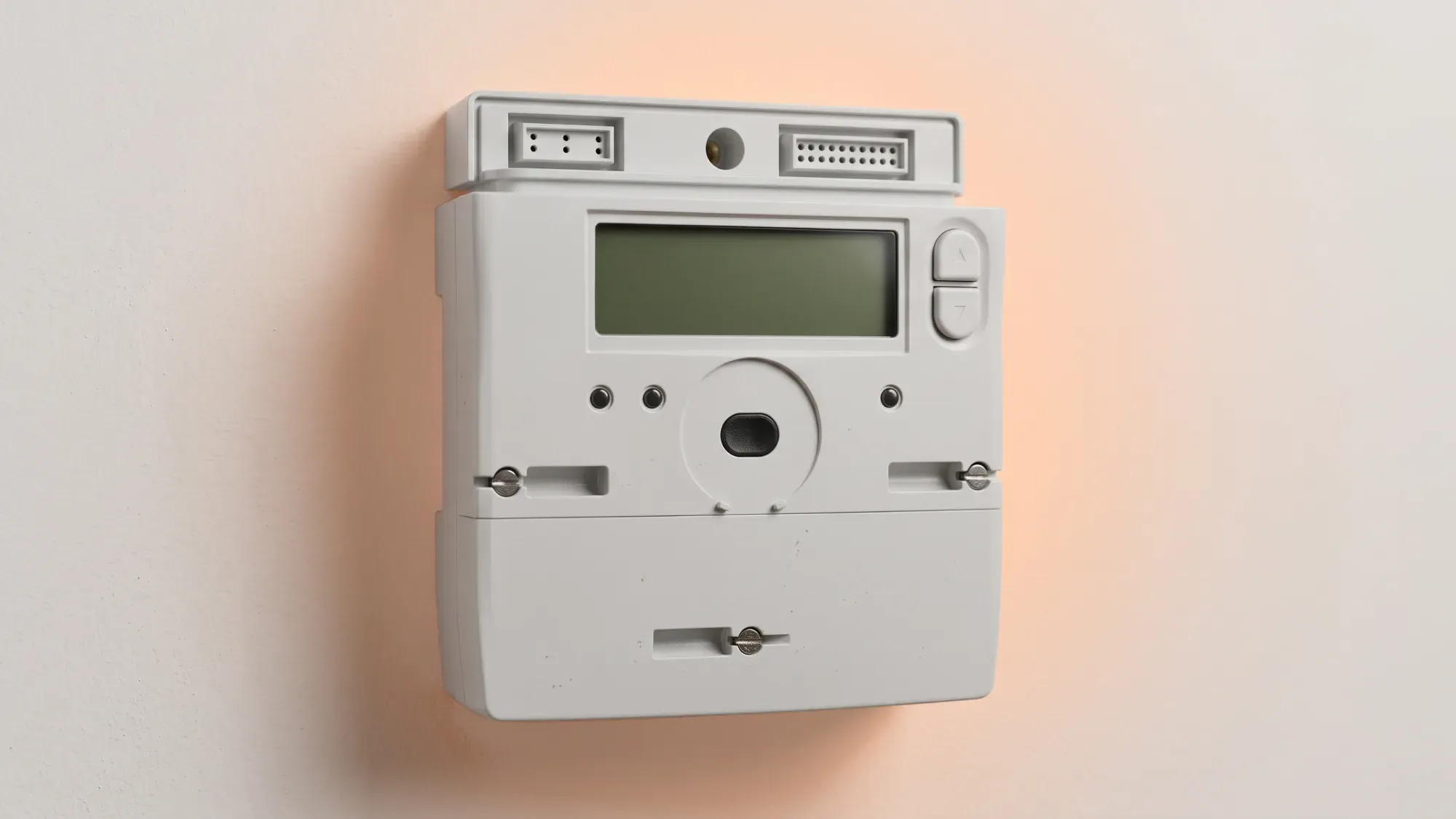
You do not pick the smart meter model for your home. In Great Britain, your energy supplier arranges and installs the meter (usually a free SMETS2 install as part of the national rollout). What you can choose is the supplier: their app, tariffs, and how well they support you once the meter is in.
Fuse Energy makes that easy: clear pricing, in-app usage from a connected smart meter, and 24/7 human support. Click here to switch to Fuse Energy today.
A smart meter measures your electricity and gas use and can send readings to your supplier automatically. That cuts out most estimated bills and gives you a clearer view of what you are using, usually via an in-home display (IHD) or your supplier's app.
Accurate bills and clearer usage data
With a connected smart meter, readings can update frequently (often around every 30 minutes). Seeing usage in pounds and pence helps you spot what drives the bill. For context, Ofgem's typical domestic consumption figures are a useful benchmark for an average UK home1, but your own pattern is what matters day to day.
Access to time-of-use and dual-rate tariffs
Many flexible tariffs need half-hourly or multi-rate metering. A smart meter (or a compatible multi-register meter) is what makes those products practical. Cheaper off-peak windows only help if you can shift loads such as EV charging or laundry into them.
The national smart meter rollout
Energy suppliers in Great Britain are expected to offer smart meters to eligible customers. Installation is normally free. Ofgem oversees supplier conduct and consumer protection on the rollout.
Shop for the supplier relationship, not a retail meter. The engineer who visits will fit the meter your supplier uses for that property. Focus on how the supplier uses the data and supports you afterwards.
App and usage tools
A strong supplier app should show usage clearly (by day or month), support meter-related tasks, and make billing easy to follow. Fuse's app is built around that: live usage where the meter is online, readings, and account tools in one place.
Tariffs that make the meter useful
Look for dual-rate or other time-of-use options if you can shift demand (for example EV charging overnight). Variable products that you can leave without a long lock-in matter if your usage pattern changes.
Installation and support
Ask how the supplier books installs, what happens if the meter or IHD misbehaves, and whether you get human help rather than only chatbots. A typical install takes about one to two hours; power is briefly off for safety, and an adult must be present.
SMETS1 and SMETS2 (background only)
SMETS means Smart Metering Equipment Technical Specifications.
- SMETS1 was the first generation. Some older SMETS1 meters can lose smart functions after a switch unless they have been enrolled on the national network.
- SMETS2 is the current standard for new installs and is designed to stay smart when you change supplier.
You do not order a SMETS generation off a shelf. Your supplier installs what is appropriate for the property. If you are unsure what you have today, ask your current supplier.
Price plus the full package
Unit rates matter, but so do the app, the smart-ready tariffs on offer, and how the supplier handles metering issues. A slightly cheaper unit rate is a poor deal if you cannot see usage or get help when the meter goes offline.
Reviews that mention metering
Independent reviews are most useful when they talk about installs, app reliability, and fault handling, not only price.
Digital-first habits
Suppliers that keep improving their tools (usage views, alerts, simple switching between eligible tariffs) tend to get more value out of the same meter hardware.
Learn your pattern
Check the IHD or app for peaks, heavy appliances, and odd overnight use. That is the basis for any saving plan.
Shift what you can onto cheaper periods
If you are on a time-of-use tariff, move flexible loads into off-peak windows. EV charging overnight is the classic example. Understanding your usage also helps when you weigh options such as an air source heat pump running cost.
Use less at carbon-heavy times when you can
Shifting demand can also help when the grid is cleaner, though your bill saving should stay the primary household goal.
Booking and install day
Contact your energy supplier (or switch to one that will install after switch-in). For eligible homes the visit is usually free. Expect about one to two hours on site, a short power cut, and an adult present throughout.
After the engineer leaves
They should show you the meter and IHD basics. Automatic readings should start feeding your supplier. Pair the supplier app so you can see usage and manage the account. That data is also useful when you think about air source heat pump efficiency.
Privacy and switching
Smart meters use a secured industry network. Suppliers are regulated on data use. If you switch supplier, industry rules cover how the meter and readings move across; ask the new supplier what to expect for your meter type.
Fuse connects to compatible smart meters after switch-in, shows usage in the app when the meter is online, and offers dual-rate options where your meter configuration allows. Human support is available around the clock for metering and billing questions. Learn more about our approach on the mission page, or switch via boarding.