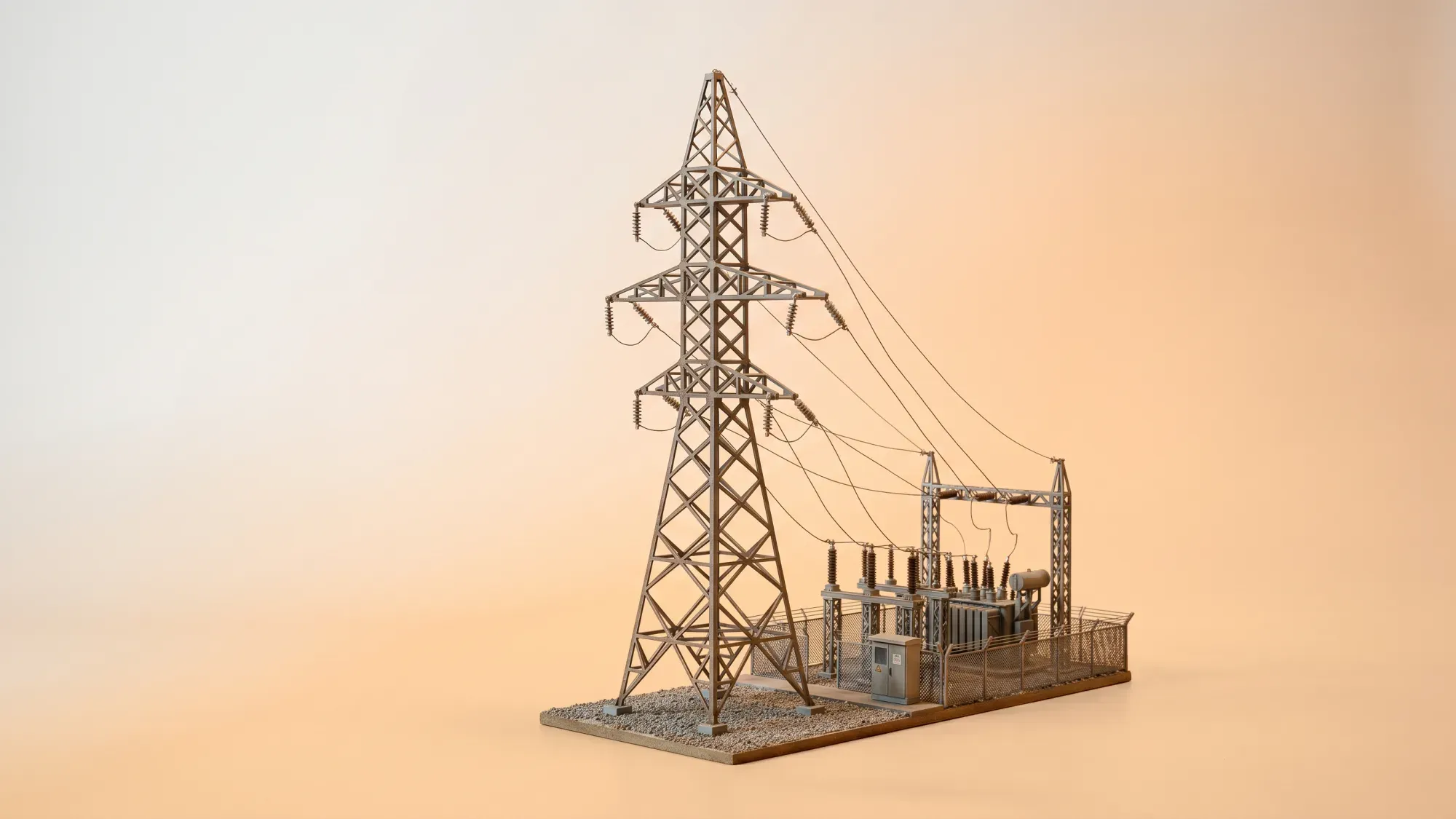
UK energy prices remain dynamic, influenced by global events and regulatory decisions. Understanding these movements and the factors behind them is crucial for managing household budgets.
Navigating the complexities of the UK energy market can be challenging, but understanding the factors that influence your bills is key. Fuse Energy aims to provide clear information and transparent pricing to help you manage your home's energy. Click here to switch to Fuse Energy today.
The energy landscape in the UK is constantly shifting. For the period of 1 July to 30 September 2026, the Ofgem energy price cap for electricity is set at 26.11p per kWh, with gas at 7.33p per kWh for Direct Debit customers. Ofgem's illustrative annual figure for a typical dual-fuel household under this cap is £1,862. It is important to remember that this is an illustrative figure and not a guaranteed bill, as actual costs depend on individual usage and tariff.
Understanding the Ofgem energy price cap
The Ofgem energy price cap sets a maximum unit rate for gas and electricity for standard variable tariffs. It is reviewed quarterly, impacting millions of households across the UK. This cap ensures that suppliers cannot charge excessive amounts for their default tariffs, providing a safety net for consumers.
Current unit rates and average bills (July-September 2026)
For the current quarter (1 July to 30 September 2026), the unit rates for Direct Debit customers are 26.11p per kWh for electricity and 7.33p per kWh for gas. These rates contribute to Ofgem's illustrative annual figure of £1,862 for a typical dual-fuel household. According to Ofgem, a typical UK home uses around 2,500 kWh of electricity and 9,500 kWh of gas per year1.
UK energy prices are primarily influenced by a combination of wholesale costs, geopolitical events, and regulatory decisions.
Wholesale energy costs and global events
Wholesale energy prices are the main driver of the energy price cap, reflecting global supply and demand dynamics. Factors such as international conflicts, like those in the Middle East, can disrupt gas supply chains and lead to higher wholesale gas prices. This strong link between gas and electricity prices makes UK bills particularly vulnerable to fossil fuel price volatility.
Government policy and regulatory decisions
Ofgem, the UK's energy regulator, oversees the gas and electricity markets and sets the energy price cap. Their quarterly reviews adjust the maximum unit rates and standing charges based on market conditions. Government policies, such as those encouraging renewable energy, also play a role in shaping the long-term energy landscape and costs.
While specific predictions are challenging due to market volatility, understanding the underlying trends can help households prepare.
What to expect in the coming months
The energy market remains subject to rapid changes, with the Ofgem Price Cap being reviewed every three months. The next cap levels are announced by Ofgem on 26 August 2026 (for 1 October to 31 December 2026), 25 November 2026 (for 1 January to 31 March 2027), and 23 February 2027 (for 1 April to 30 June 2027). This quarterly adjustment means that prices can fluctuate based on wholesale costs and other market factors. Households should stay informed about these reviews to understand potential impacts on their bills.
Long-term trends and market stability
Long-term trends suggest a continued focus on transitioning to renewable energy sources and investing in grid infrastructure. This shift aims to enhance energy security and reduce the UK's reliance on volatile international fossil fuel markets, potentially leading to greater price stability in the future. Understanding the long-term running cost of alternative heating solutions, such as an air source heat pump, can be part of this forward planning.
Proactive management of your energy consumption and tariffs can help mitigate the impact of price changes.
Reviewing your energy consumption
Understanding your household's specific energy usage is the first step to managing costs. Regularly reviewing how much electricity and gas you consume can highlight areas for potential savings. Simple changes in habits or upgrading to more energy-efficient appliances can make a difference. Considering the efficiency of an air source heat pump could also be a valuable step for some homeowners.
Fixed vs variable tariffs: making an informed choice
Choosing between a fixed or variable tariff depends on your risk tolerance and market outlook. Fixed tariffs lock in your unit rate for a set period, offering predictability. Variable tariffs, on the other hand, fluctuate with the market and are subject to the Ofgem Price Cap. Weighing the pros and cons of each can help you make an informed decision for your household.
Leveraging smart meter technology
Smart meters provide near real-time data on your energy consumption, allowing you to monitor usage more closely. This insight can empower you to identify patterns, make adjustments, and potentially reduce your overall energy bill.
Managing your energy bills should be clear and easy to understand. Fuse Energy focuses on straightforward pricing, so you can see exactly what you're paying without unnecessary complexity. If you have a smart meter, you can view detailed usage data through the app or website, helping you understand how you can lower your bills. If you don't have a smart meter, Fuse Energy can upgrade your non-smart meter, completely for free. This can make it easier to track spending and make informed decisions about your energy use. Our 24/7 human support team is always on hand with fast response times whenever you need help. Click here to switch to Fuse Energy today. Find out about our mission by clicking here.