Home air conditioning installation
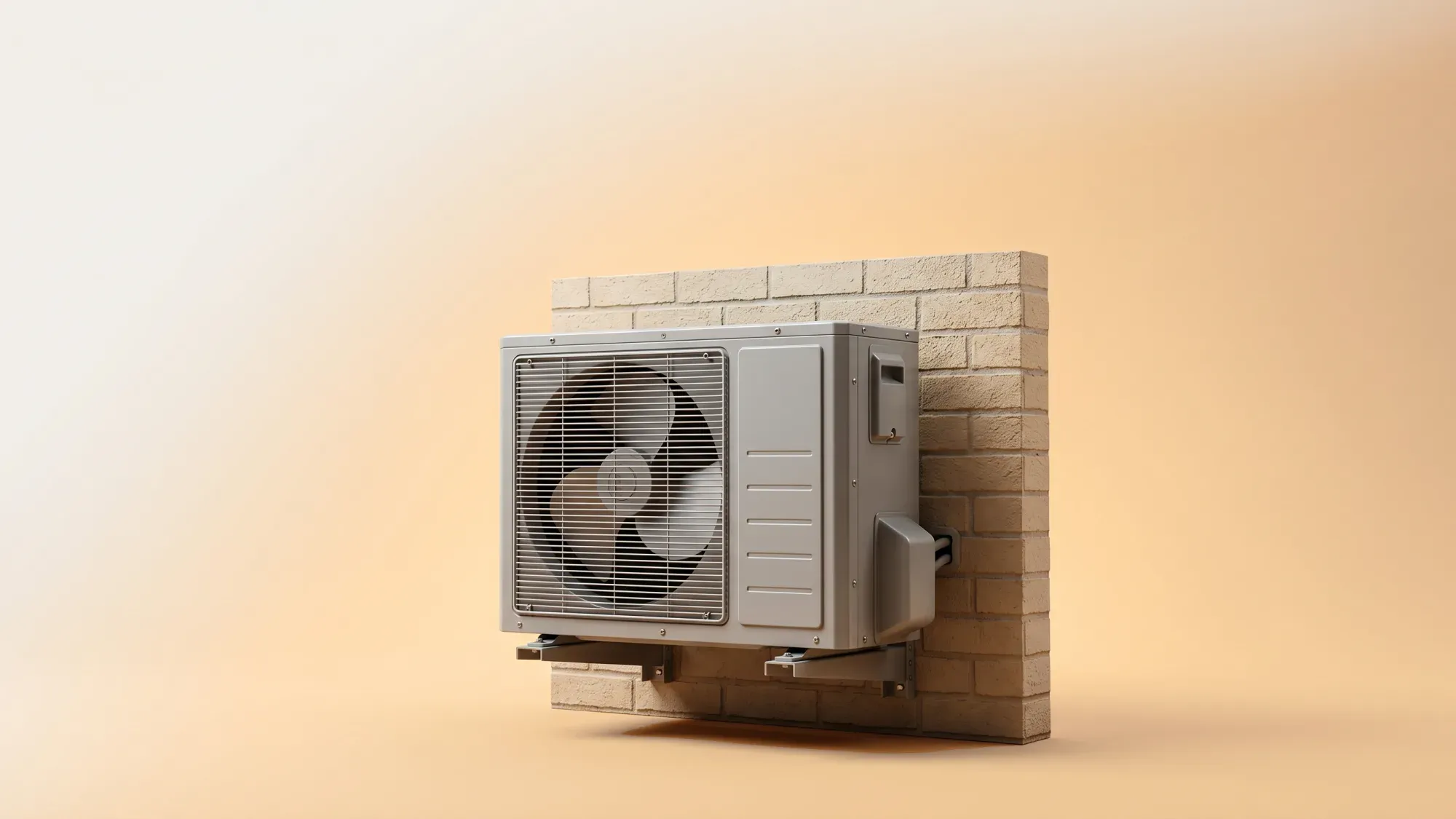
Installing air conditioning in your home can provide year-round comfort. Modern AC systems in the UK often function as highly efficient heat pumps, offering both heating and cooling. Before installing air conditioning, it's important to understand the costs, UK regulations, and the installation process.
Managing your energy usage is straightforward with Fuse Energy. We offer clear pricing and real-time usage data through our app, helping you monitor and optimise your energy consumption, including that of your air conditioning system. Click here to switch to Fuse Energy today.
Enter your address to get a quote and see how much you could save
Why consider air conditioning in the UK?
More than cooling: the heat pump advantage
Modern air conditioning units in the United Kingdom often operate as highly efficient heat pumps. This means they can extract heat from the outside air to warm your home during colder months, and reverse the process to cool it in summer. This dual functionality provides a versatile and energy-efficient solution for year-round climate control, making them a practical investment for many households. They not only ensure a comfortable indoor climate during heatwaves but can also be a cost-effective alternative to traditional heating systems in winter.
Energy efficiency and savings
The energy efficiency of air conditioning systems has significantly improved in recent years. Heat pumps, in particular, can achieve efficiencies of 300% or more, meaning they produce over three units of heat for every unit of electricity they consume. This makes them far more economical than older models or other heating and cooling methods. The average UK home uses around 2,500 kWh of electricity per year1. By choosing an energy-efficient system, you can significantly reduce your electricity bills and contribute to more sustainable energy consumption.
Types of air conditioning systems for your home
There are various types of air conditioning systems available, each with its own advantages and suitability for specific homes.
Split systems
Split systems are the most common choice for residential installations. They consist of an outdoor unit and one or more indoor units connected by refrigerant lines. These systems are discreet, relatively quiet, and highly efficient. They are ideal for cooling or heating individual rooms or open-plan areas.
Multi-split systems
Multi-split systems are similar to split systems but use a single outdoor unit to power multiple indoor units. This is a good option if you want to heat or cool several rooms independently without needing a separate outdoor unit for each. Each indoor unit can be controlled individually, providing flexible climate control.
Portable and mobile units
Portable and mobile air conditioners are temporary solutions that do not require permanent installation. They are easy to move between rooms and offer an option for those who do not want or cannot install a fixed system. However, their efficiency is lower, and they are less powerful than fixed systems.
Cost of air conditioning installation in the UK
The cost of installing an air conditioning system in the UK can vary. It is important to have a clear understanding of the factors that influence the price.
Factors affecting cost
Several factors determine the total cost of air conditioning installation, including:
- Type of system: Split systems are generally less expensive than multi-split systems due to installation complexity.
- Unit size and capacity: Larger units with higher cooling or heating capacity are more expensive. The correct size is crucial for efficiency.
- Installation complexity: Hard-to-reach locations, long refrigerant lines, or additional electrical work can increase installation costs.
- Brand and model: Premium brands and models with advanced features (such as smart controls) are more costly.
- Installer: Installer rates can vary depending on their experience and location.
Average installation costs
The average cost for installing a single split-system air conditioning unit in a UK home typically ranges between £1,800 and £4,500. This usually includes the unit and installation. For multi-split systems or more complex installations, costs can be higher, often starting from £2,500 to £5,000 for two to three rooms. It is always advisable to obtain multiple quotes from certified installers for an accurate price.
What are the typical costs for AC installation in the UK?
The average cost for installing a single split-system air conditioning unit in a UK home typically ranges between £1,800 and £4,500. This price depends on the unit's size, the complexity of the installation, and the chosen installer.
Running costs and energy consumption
In addition to the initial installation costs, you must also consider ongoing expenses, primarily energy consumption. The efficiency of modern heat pumps can help to keep these costs down. By using smart thermostats and the Fuse Energy app, you can monitor and optimise your AC system's energy usage, avoiding unnecessary costs. Regular maintenance can also preserve efficiency and extend your system's lifespan.
Regulations and permits for AC in the UK
Installing an air conditioning system in the UK is subject to specific regulations. It is essential to be aware of these to ensure compliance.
F-gas regulations
Air conditioning systems containing fluorinated greenhouse gases (F-gases) are subject to F-gas regulations. These regulations require that installers of such systems hold a valid F-gas certification. This ensures that the installation is carried out safely and in an environmentally responsible manner, and that any leaks are prevented or quickly detected. Always ask for your installer's F-gas certification.
Building regulations
Currently, there are no official Building Regulations specifically for domestic air conditioning systems in the UK. However, any electrical work associated with your air conditioning system must comply with relevant British electrical safety standards. A certified installer can advise you on these requirements.
Planning permissions
Generally, most small domestic air conditioning installations do not require planning permission under permitted development rights. This applies if the external unit is modest in size (typically under 1.5 m³ for houses) and discreetly placed. However, there are exceptions. Planning consent is usually needed for larger systems, commercial properties, flats (where the limit is often 0.6 m³ and other restrictions apply), listed buildings, or properties in conservation areas. If your AC unit is used solely for cooling, you may need to apply for planning permission, but if it also provides heating, it often falls under permitted development if it meets specific criteria. It is advisable to check with your local authority for any specific requirements before starting installation.
Finding a certified installer and managing energy
Choosing the right installer and effectively managing your energy usage are crucial for a successful air conditioning installation and efficient operation.
Choosing a reliable installer
A reliable and certified installer is paramount. Look for installers who:
- Hold valid F-gas certification, as required by regulations.
- Have experience with the type of system you wish to install.
- Can provide good reviews and references.
- Offer a clear quote, including all costs and work.
- Provide a warranty for both the unit and the installation.
It is recommended to compare quotes from multiple installers and check their references before making a decision.
Optimising your energy usage with Fuse Energy
Once your air conditioning system is installed, you can optimise its energy consumption with Fuse Energy. While Fuse Energy does not install air conditioning units, our smart meters and the Fuse app help you gain insight into your energy usage. You can view real-time data, identify consumption peaks, and make informed decisions to lower your energy bills. Our 24/7 human customer support team is also available to assist you with any questions about your energy consumption. By integrating your AC system into smart energy management, you make optimal use of your heat pump's efficiency and contribute to a more sustainable household.
Managing your home's energy should be simple and transparent. Fuse Energy offers clear pricing, real-time usage data, and 24/7 human customer support, all designed to give you control over your energy bills. Switching to Fuse is quick and easy, allowing you to start optimising your energy use from day one. Click here to switch to Fuse Energy today and discover a smarter way to power your home. You can also learn more about our mission to make energy abundant by clicking here.
References
Disclaimer
For the avoidance of doubt, this article is provided for informational purposes only and is not intended to constitute legal or financial advice. The author and/or Fuse Energy shall not be responsible for any losses arising out of any reliance on the information contained herein.